Oil is a nonrenewable resource. It's getting used up. Now what?


"American energy policy is nothing if not shortsighted and self-indulgent. By the early 1970s it was clear that we faced a long-term oil problem because (a) the country inevitably depended on imports and (b) two-thirds of global oil reserves lay in the Middle East -- where politics and instability made a catastrophic loss of supplies a permanent danger. What did we do? Well, Congress took some sensible steps in the 1970s. It created gasoline efficiency standards for vehicles and a Strategic Petroleum Reserve (SPR). But low oil prices in the 1980s and 1990s led to backsliding. The SPR wasn't adequately expanded, and drivers flocked to SUVs, which are governed by less stringent fuel mileage standards. Americans preferred cheap gasoline to long-term prudence....The hallmark of U.S. energy policy is a steadfast refusal to confront choices."
Thanks to Richard Layman
Read the full story: Our Next Shortage


Planetizen Federal Action Tracker
A weekly monitor of how Trump’s orders and actions are impacting planners and planning in America.
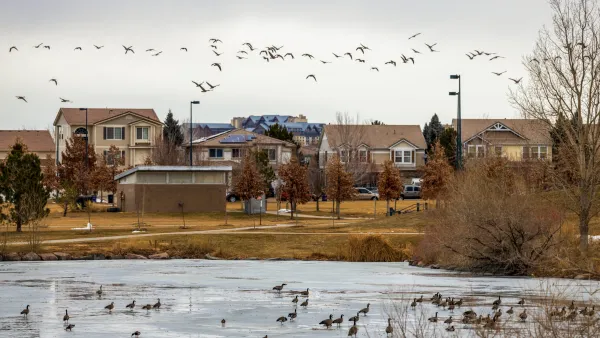
Colorado’s Largest Data Center Could Rise Next to Homes — Without a Public Hearing
The proposed campus would consume 11 times the power of Denver International Airport; as it has across the country, opposition mounts.

Amtrak, CN end decades-long dispute with eight-year agreement
The new operating agreement establishes an updated framework for the companies to work together, including processes to resolve disputes.

'This is going to be painful:’ Virginia stares down $1.7 billion funding gap for highway maintenance
The state may address the deficit by shifting $290 million from its construction budget to maintenance projects.
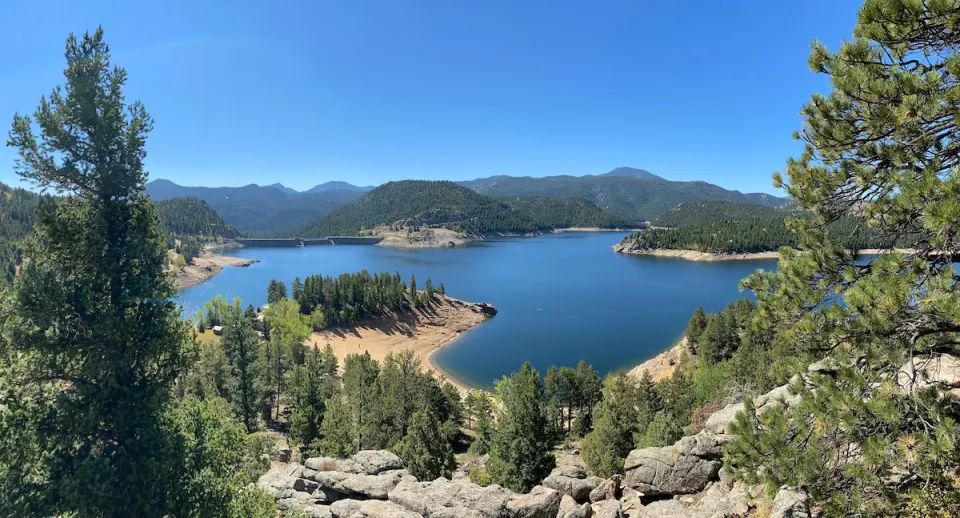
Judges permit Denver to divert 77,000 acre feet from the Colorado River for reservoir expansion
Overuse and climate change have caused the Colorado River’s water levels to plummet.
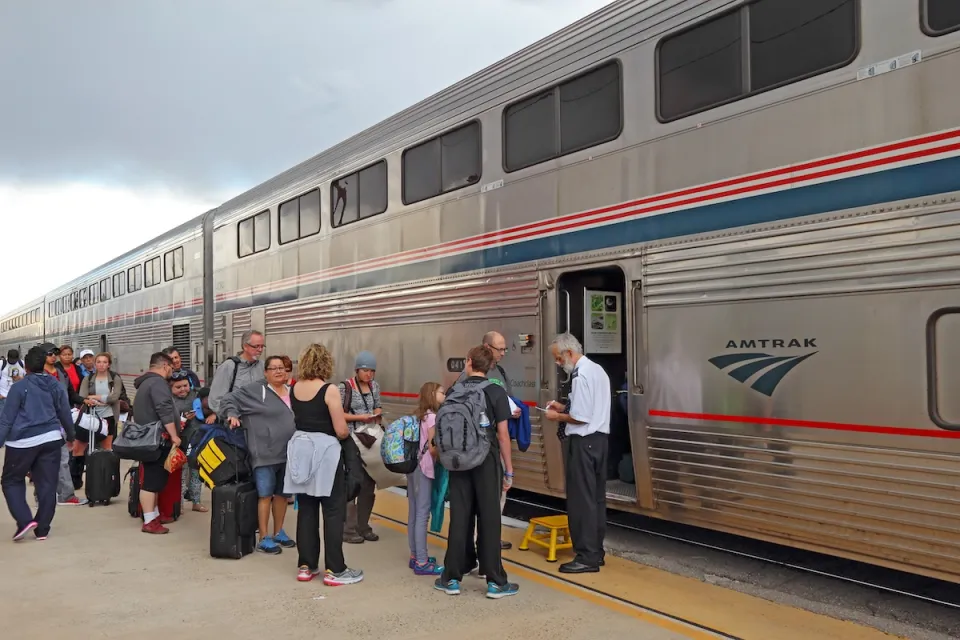
Amtrak, CN end decades-long dispute with eight-year agreement
The new operating agreement establishes an updated framework for the companies to work together, including processes to resolve disputes.

FREE Course: Walkable City 1: Why Walkability?
After describing his path towards focusing on walkability as the essence of good planning, Jeff Speck marches through his five principal reasons for making more walkable places.
Reinventing Malls: Planning Alchemy—Turning Gray Fields Into Gold
The course focuses on the opportunities and imperatives that shape reinvention of mall sites.

KFH Group Inc.
Greater Baltimore Committee
Eagle County Government
The Architects Foundation
University of Cincinnati Online
The Pocatello Development Authority
The Urban Renewal Agency of the City of Pocatello