Large minimum lot sizes and restrictions on multi-unit housing put an artificial floor under home costs. Is it time to eliminate them?


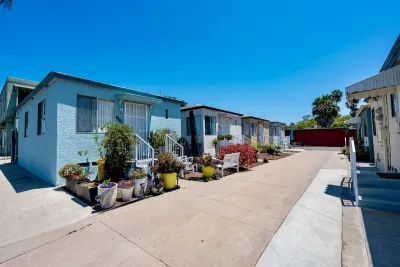
In the first of a series about smaller homes and housing affordability in Greater Greater Washington, Payton Chung outlines how lifting restrictions on “missing middle housing” and reducing minimum lot sizes can rapidly bring down home prices that are kept artificially high by large lot size requirements. “By requiring a certain amount of land under each house, zoning could ensure that only large, expensive houses would get built.” Reducing or eliminating minimum lot sizes and single-family requirements could “re-create the starter house market,” Chung says.
According to Chung, “Allowing smaller new houses quickly addresses middle-income households’ needs by allowing them to forego things like large yards, garages, or extra bedrooms that many neither need nor want. Smaller houses are also a better fit for America’s shrinking households.” Middle housing such as duplexes and triplexes can cost less for builders and thus less for buyers. “Those lower costs come from both dividing land and materials between multiple units, and building smaller units that use fewer materials.”
Chung points out that the cost of new homes can’t be compared to the cost of older homes that, in many cases, need substantial repairs. But building smaller, “starter” homes can put homeownership within reach for more American households. “Despite a much larger population, the absolute number of small detached houses built in America has fallen by almost 90% over the last 40 years.”
FULL STORY: How re-legalizing starter homes cuts new house prices

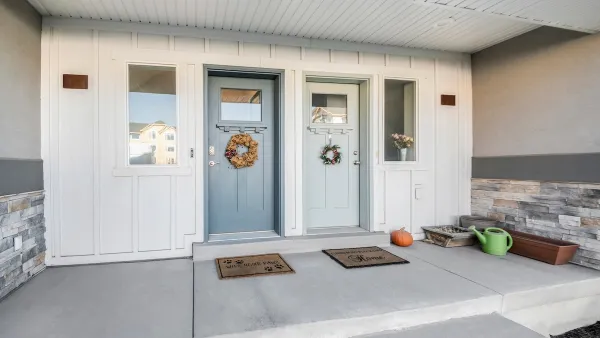
How Single-Family Conversions Benefit Both Homeowners and Cities
Converting single-family homes to triplexes can ease the housing crisis and offer affordable, flexible options for more households. Why is it largely illegal?

Report: Just 7 Percent of Homes for Sale Affordable to Black Households
The affordability crisis continues to impact American households across the board, with 16 percent of listings affordable to the average household.
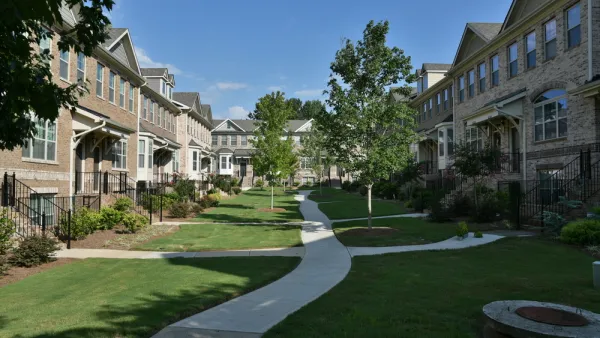
Atlanta Mayor Wants To Restrict ‘iBuyers’
The rise in investors buying up properties, sometimes before they’re even listed on the open market, is causing sharper spikes in home prices. Atlanta’s mayor wants to end that.

Planetizen Federal Action Tracker
A weekly monitor of how Trump’s orders and actions are impacting planners and planning in America.

The state-sanctioned urbicide of Austin
People don’t kill cities. Freeways do.

US to reduce Colorado River water deliveries to Mexico
A new Colorado Treaty amendment reduces Mexico’s Colorado River water allocation by 250,000 acre feet.

Mamdani overhauls NYC's Vision Zero plan with 100 new policy goals
The overhaul aims to reduce traffic deaths and make streets safer for pedestrians, cyclists and drivers through lower speed limits, new safety infrastructure and more.

Amtrak not solely to blame for New Jersey commuter rail's unreliability, report finds
A new study from the Garden State Initiative found that NJ Transit’s budget grew 20% across a 4 year period, but reliability declined significantly over the same period.

EPA erases limits on planet-warming pollution from power plants
Under Monday’s plan, power plants would still have some limits on how much mercury, arsenic and other contaminants they can emit.

FREE Course: Walkable City 1: Why Walkability?
After describing his path towards focusing on walkability as the essence of good planning, Jeff Speck marches through his five principal reasons for making more walkable places.
Reinventing Malls: Planning Alchemy—Turning Gray Fields Into Gold
The course focuses on the opportunities and imperatives that shape reinvention of mall sites.

Eagle County Government
Harvard University Graduate School of Design
Nashville Planning Department
The Architects Foundation
University of Cincinnati Online
The Pocatello Development Authority
The Urban Renewal Agency of the City of Pocatello
Journal of the American Planning Association