Up to 75 percent or more of many companies’ greenhouse gas emissions come from activities impacted by urban planning. Like it or not, planners are key players in mitigation. Technology can help.



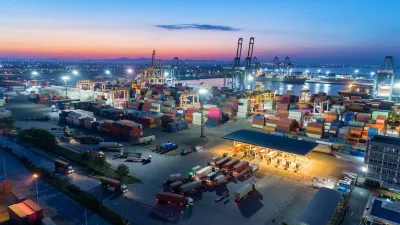
In September, 2024, The MIT Center for Transportation and Logistics and the Council of Supply Chain Management Professionals released the fifth State of Supply Chain Sustainability report. They surveyed over 7,000 industry professionals in over 80 countries, finding that 67 percent of surveyed companies did not have a net-zero goal. Of the ones that did, many were unprepared to meet that goal, especially when measuring and reducing Scope 3 emissions.
Scope 3 emissions are the greenhouse gases the reporting business produces indirectly. It may not own or control the assets responsible, but they are still related to activities across its value chain. This includes warehouse distribution and last-mile delivery.
The thing is: most emissions are indirect. Over 75 percent of companies' emitted greenhouse gases fall under Scope 3, underscoring the importance of comprehensive visibility and continuous monitoring. And since many companies reportedly struggle to measure and reduce carbon dioxide across their value chains, for good or bad the responsibility falls to urban planners.
Low hanging fruit
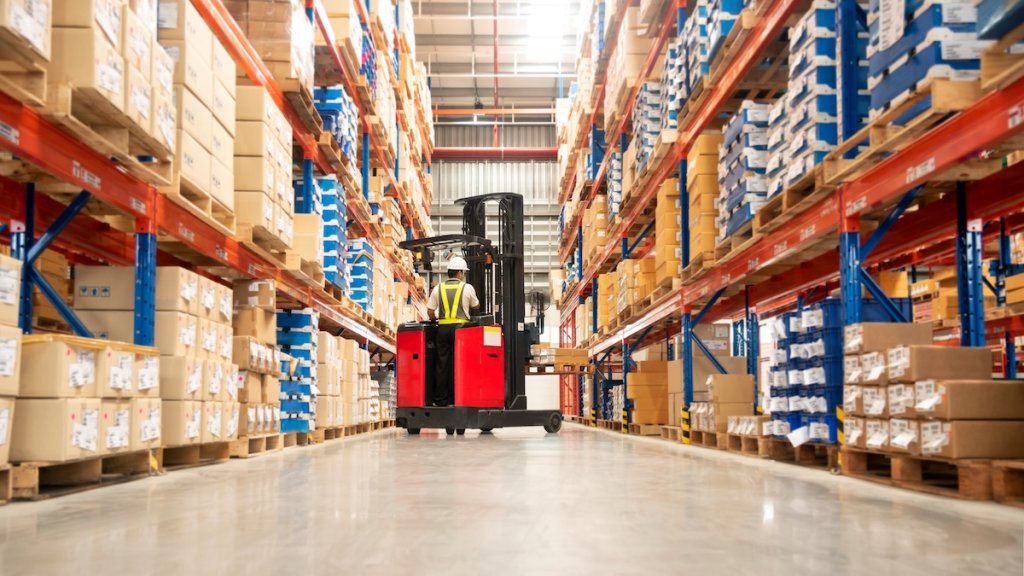
The tools exist for urban planners to optimize supply chains within city limits, improving efficiency while reducing their carbon footprint. And since integration is relatively straightforward, almost any city could adopt this strategy. And yet many haven’t, mostly due to technical challenges. Many leaders don’t understand how to join urban legacy systems and manual methods with modern solutions.
Here’s one example of some low hanging fruit: according to a 2024 KPMG study, half of the logistics companies surveyed reported they would invest in applications that support sophisticated analytics and artificial intelligence. While this figure is high enough to facilitate public-private partnerships, it is still relatively low. Urban planners can bridge the gap with their own AI-powered tools or predictive platforms.
These tools could automate backend processes because they can detect vehicle type, speed and volume. They can generate in-depth information on road bottlenecks, delivery frequency, construction and route utilization, enabling real-time route adjustments. They’d also reduce human error by enhancing traffic violation enforcement and digital traffic control sign deployment.
Driver feedback devices can mitigate habits like harsh braking, acceleration and cornering in fleets and delivery vehicles, sending alerts to notify drivers of harmful behavior and improving fuel efficiency by around 3 percent. These tools also facilitate data-driven signal timing and accelerated accident response, helping keep roadways clear. The city could wirelessly push information about road closures or traffic congestion to every delivery vehicle in the area, optimizing coordination.
Smart logistics platforms could enable traffic camera-based reporting, route orchestration or asset management. Urban planners would gain comprehensive visibility, allowing them to explore novel solutions like drone delivery or autonomous delivery vehicles.
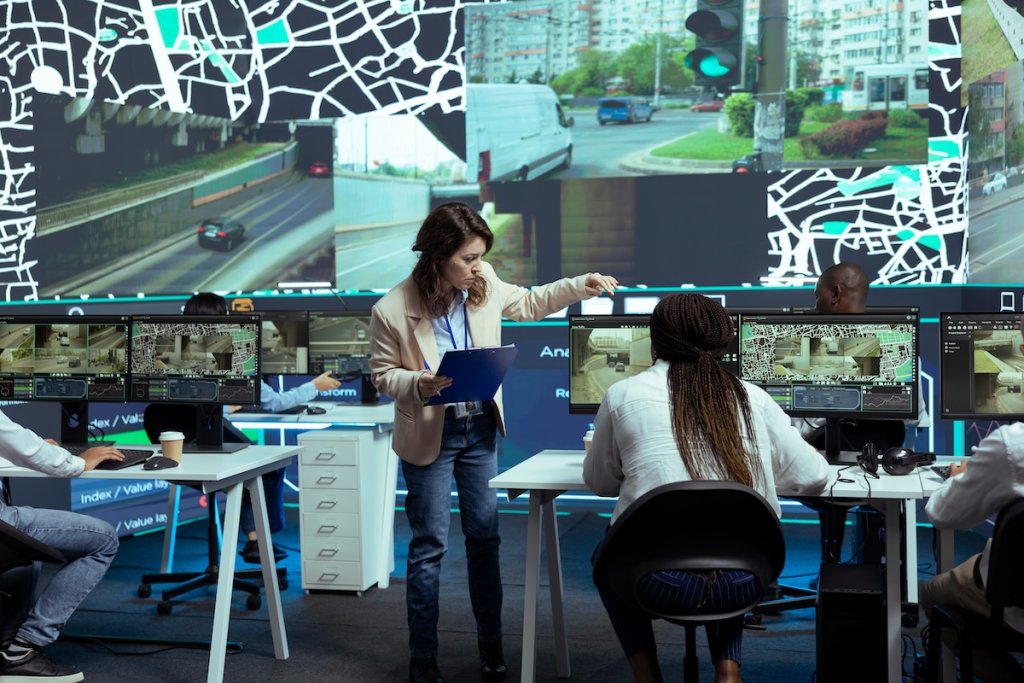
Even simple tracking software that updates in real time could lead to noticeable improvements in traffic flow within urban environments. Cities increasingly use smart technologies to measure traffic flow and adjust signal timing. These insights are among the multiple traffic operation and transportation benefits city officials have reported as a result of this technology.
These solutions can improve fleet management and inform future infrastructure development strategies. Traffic insights — such as which routes are experiencing blockages or tend to get busier at particular times of day — could also decrease failed deliveries since drivers could bypass inefficient routes and stay on schedule rather than skipping houses to complete routes on time. Reducing the number of reattempted deliveries lowers greenhouse gas emissions and helps keep the roads clear.
And if these kinds of changes sound risky, it’s critical to note that they can be experimented with and tweaked in advance before they’re ever tested on the road in real life. Digital twins can model an unrealized process, system or product, allowing planners to test their ideas before committing to a significant investment.
A win-win
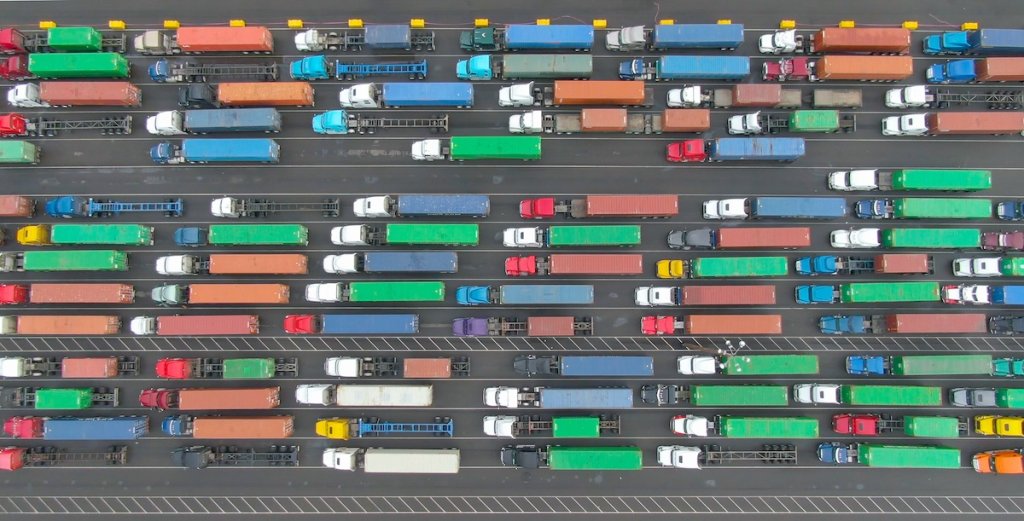
The benefits of optimizing supply chains go both ways. While the city gains more resilient and sustainable systems, companies benefit too. When a company optimizes its supply chain, it lowers operational expenses by 15 percent and halves carrying costs and completes its cash-to-cash cycles three times faster. These improvements incentivize public-private partnerships, so cities do not have to cover all costs. Private companies could help finance, build and maintain the systems in exchange for these benefits while cities retain control of the public’s data.
That said, there are obstacles. Data privacy becomes a concern when city officials leverage internet-enabled tools. A single breach could compromise a wealth of sensitive information, opening the city to legal action. Modern cybersecurity systems can mitigate this risk, but installation, operation and maintenance require a dedicated team of knowledgeable professionals.
Carefully defined collaboration between the public and private sectors could mitigate these risks. Alternatively, policymakers could develop a new body for urban supply chain management.
Embracing the future
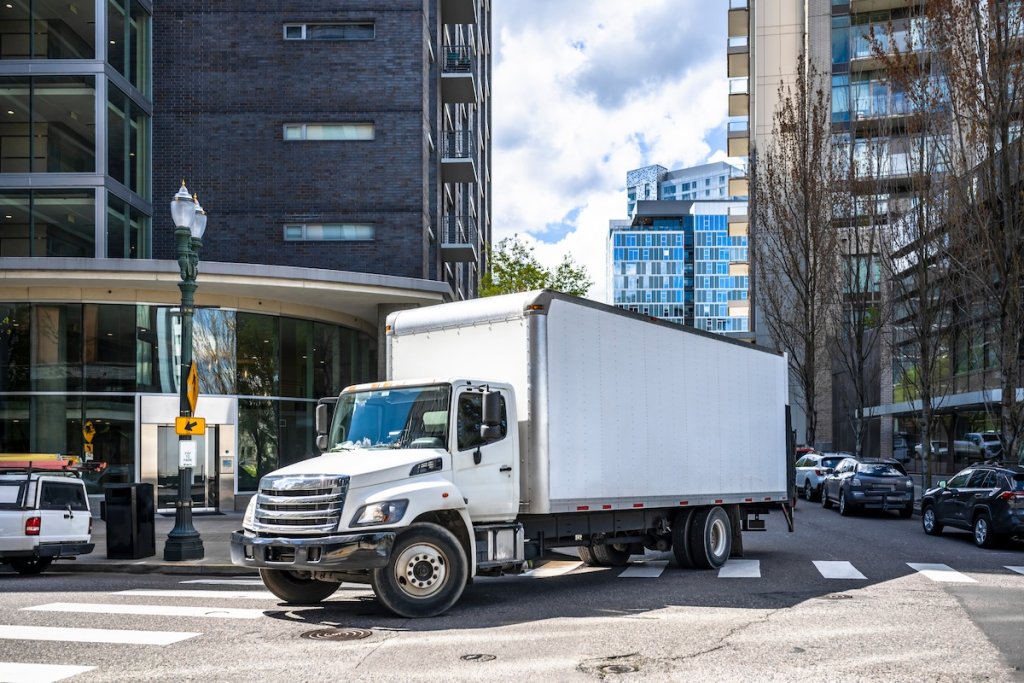
Smart cities are on the rise, but the adoption rate is still relatively low. More urban planners should give smart technology a second look. E-commerce is a massive industry, so delivery vans and semi trucks are here to stay. Managing greenhouse gas emissions, urban congestion and roadway wear is essential.
Cities could improve traffic operations and transportation planning by adopting smart solutions. It would lower maintenance expenses, improve residents’ quality of life and attract companies with ample finances. These technologies represent the future of urban planning. Urban planners should embrace this change to reap the benefits.

Trump Approves Futuristic Automated Texas-Mexico Cargo Corridor
The project could remove tens of thousands of commercial trucks from roadways.

Port Logjam Contributing to Dismal L.A. Air Quality
Emissions from container ships idling outside Southern California's ports are adding to pollution that has blanketed the region in a noxious layer of smog.

Warehouse Moratorium Sought in Suburban Georgia to Slow Road Damage
Traffic from the area's booming distribution centers is damaging local roads and causing concern among residents.

The state-sanctioned urbicide of Austin
People don’t kill cities. Freeways do.

US to reduce Colorado River water deliveries to Mexico
A new Colorado Treaty amendment reduces Mexico’s Colorado River water allocation by 250,000 acre feet.

New Jersey’s second-largest city bans standalone data centers
Jersey City will continue to allow co-location facilities, such as those meant for research institutions that store their own data.

Amtrak not solely to blame for New Jersey commuter rail's unreliability, report finds
A new study from the Garden State Initiative found that NJ Transit’s budget grew 20% across a 4 year period, but reliability declined significantly over the same period.

EPA erases limits on planet-warming pollution from power plants
Under Monday’s plan, power plants would still have some limits on how much mercury, arsenic and other contaminants they can emit.

Phoenix announces new on-demand transit service, more frequent RAPID buses
Both new services will launch in October, and are part of Phoenix's Project Effective Access Solutions for Easing Congestion.

FREE Course: Walkable City 1: Why Walkability?
After describing his path towards focusing on walkability as the essence of good planning, Jeff Speck marches through his five principal reasons for making more walkable places.
Reinventing Malls: Planning Alchemy—Turning Gray Fields Into Gold
The course focuses on the opportunities and imperatives that shape reinvention of mall sites.

Eagle County Government
Harvard University Graduate School of Design
Nashville Planning Department
The Architects Foundation
University of Cincinnati Online
The Pocatello Development Authority
The Urban Renewal Agency of the City of Pocatello
Journal of the American Planning Association

