Solar and wind power generated close to a third of U.S. electricity supplies in 2024.


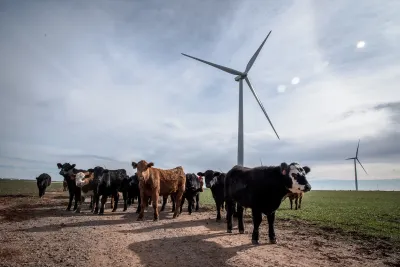
Renewable energy production overtook coal for the first time in 2024, reports Carl Smith in Governing, with Texas leading the way with its massive wind generation farms.
“Over the past 10 years, only natural gas and renewable generation use have increased. While the share from natural gas remains larger, the pace of growth in renewables is much greater,” Smith explains. According to the U.S. Energy Information Administration (EIA), wind and solar accounted for nearly 27 percent of electricity generation last year.
Texas’s success is in large part due to its renewable energy portfolio standard, which was adopted in 1999 and sets targets for renewable energy capacity by utilities. “After California, the remaining states in the top-five producers were Iowa, Oklahoma and Kansas. Iowa was the first state to establish a renewable portfolio standard, in 1983.”
Iowa generated 65 percent of its electricity from renewable sources, and 12 states generate one-third or more of their power via renewable sources. “According to the U.S. Department of Energy, the country has enough wind, solar, hydropower and other renewable resources to generate 100 times the annual power needs of Americans.”
FULL STORY: In 2024, More Electricity Than Ever Came From Renewable Sources

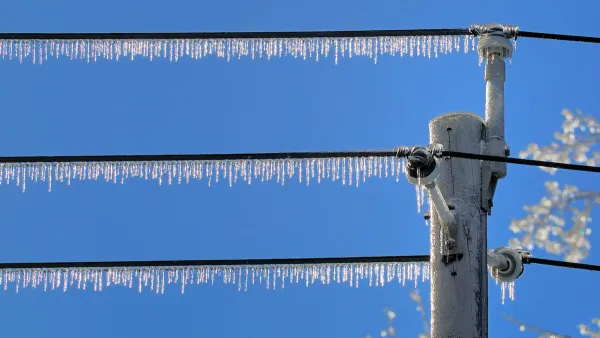
Texas Grid Holds Up to Freezing Temperatures
Efforts made to prepare the state’s infrastructure for winter storms after 2021’s disastrous freeze are paying off.

Ohio Counties Can Now Ban Renewable Energy Projects
A new state law allows counties to deny wind and solar projects in their jurisdictions, and at least ten counties have already moved to implement bans.
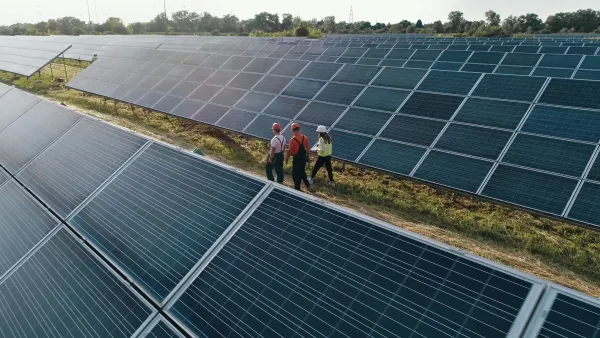
Study: States approved 90% of renewable energy projects between 2018 and 2024
Ohio had the highest rejection rate for wind and solar proposals.

The state-sanctioned urbicide of Austin
People don’t kill cities. Freeways do.

US to reduce Colorado River water deliveries to Mexico
A new Colorado Treaty amendment reduces Mexico’s Colorado River water allocation by 250,000 acre feet.

New Jersey’s second-largest city bans standalone data centers
Jersey City will continue to allow co-location facilities, such as those meant for research institutions that store their own data.

Amtrak not solely to blame for New Jersey commuter rail's unreliability, report finds
A new study from the Garden State Initiative found that NJ Transit’s budget grew 20% across a 4 year period, but reliability declined significantly over the same period.

EPA erases limits on planet-warming pollution from power plants
Under Monday’s plan, power plants would still have some limits on how much mercury, arsenic and other contaminants they can emit.

Phoenix announces new on-demand transit service, more frequent RAPID buses
Both new services will launch in October, and are part of Phoenix's Project Effective Access Solutions for Easing Congestion.

FREE Course: Walkable City 1: Why Walkability?
After describing his path towards focusing on walkability as the essence of good planning, Jeff Speck marches through his five principal reasons for making more walkable places.
Reinventing Malls: Planning Alchemy—Turning Gray Fields Into Gold
The course focuses on the opportunities and imperatives that shape reinvention of mall sites.

Eagle County Government
Harvard University Graduate School of Design
Nashville Planning Department
The Architects Foundation
University of Cincinnati Online
The Pocatello Development Authority
The Urban Renewal Agency of the City of Pocatello
Journal of the American Planning Association