Learn how IoT integration in utilities is boosting energy efficiency in smart cities, aiding urban planners in sustainable development.




As urban populations continue to grow, cities face mounting challenges in effectively managing energy consumption. Now is the opportune time for smart cities to utilize advanced technologies like the Internet of Things (IoT) to optimize utility services through real-time monitoring and data-driven decision-making. Integrating IoT into city infrastructures has become a strategic necessity.
IoT-powered real-time energy management
IoT devices are paving the way for the energy consumption and distribution revolution. Smart meters, for example, provide real-time data on electricity usage, which allows providers to identify peak demand periods and adjust distribution accordingly. Users also benefit from transparency in real-time usage as it helps track their energy consumption.
Connected sensors, another IoT device, further enhance efficiency by monitoring everything — from streetlight operation to a building’s energy consumption. Innovative lighting systems equipped with IoT sensors can dim or brighten based on traffic and weather conditions, reducing up to 55 percent of electricity expenses while maintaining optimum road brightness.
Data-driven utility optimization
One of IoT’s most powerful features is its ability to collect and analyze massive amounts of data. With a data-driven approach, urban planners can make informed decisions about allocating resources or investing in renewable energy infrastructure. Using predictive analytics, IoT systems can anticipate future energy demands based on historical patterns. This improves the reliability and efficiency of energy grids in cities.
Advanced demand response programs can automatically reduce nonessential power usage during hours. Powered by IoT, these programs ensure consistent energy availability and decrease reliance on fossil fuels.
Automating utility billing with IoT and analytics
Beyond energy distribution, IoT is reshaping the way utilities interact with customers. Automated billing systems integrated with IoT and advanced analytics offer a seamless experience for users and providers alike. Research shows that 45% of customers prefer automatic payment modes due to their convenience, as they can finish a transaction with just a few clicks. Moreover, 71 percent of customers expect personalized interactions. These preferences call for a need for utility companies to tailor billing and payment experiences for each consumer based on insights from IoT-collected data.
Analyzing payment history and usage behaviors can help customize payment plans, send timely reminders, and offer team-time usage reports to consumers. This transparency improves customer satisfaction and reduces utility providers’ burdens.
Sustainability through IoT integration
Thanks to IoT, energy management can be optimized, putting long-term sustainability goals within reach. Reducing unnecessary energy consumption and improving resource usage allow IoT to directly contribute to lowering carbon emissions. IoT technology can also improve data collection to build important regulations on sustainable energy. Urban areas equipped with IoT-powered infrastructure are better positioned to meet global sustainability targets.
Another example of fusing IoT into energy management systems is supporting the transition to renewable energy. Using IoT technology to integrate solar and wind power into existing grids ensures a balanced supply and maximizes the benefits of renewable energy sources. Additionally, IoT also provides an opportunity to enhance electric vehicles by improving charging and services to further the decarbonization efforts.
For utility and beyond
IoT’s impact extends beyond immediate utility management to shape the future of urban planning. IoT-generated data can be leveraged to design more energy-efficient establishments and develop better public transportation systems. Infrastructure can also benefit from IoT-enabled monitoring as it ensures timely maintenance, extending the life span of critical city assets.
Amsterdam and Singapore are innovative city leaders in IoT integration into energy and urban planning strategies. These smart cities exhibit IoT’s benefits in driving progress toward more efficient and sustainable metropolises.
Smart urban planning for a smarter future
The integration of IoT is pivotal to achieving long-term sustainability goals. As urban areas continue to surge, the adoption of IoT will undoubtedly contribute to building smarter, greener cities equipped to meet the population’s changing needs.

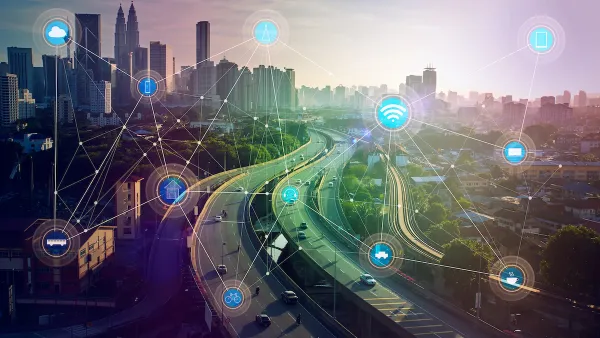
How Smart Cities Influence Real Estate Investment
By integrating technology and infrastructure, smart cities are attracting investors with their potential for improved quality of life, efficient resource management, and innovative urban development projects.

AI for Planners Explained: Urban Digital Twins
When AI stops talking and starts showing.
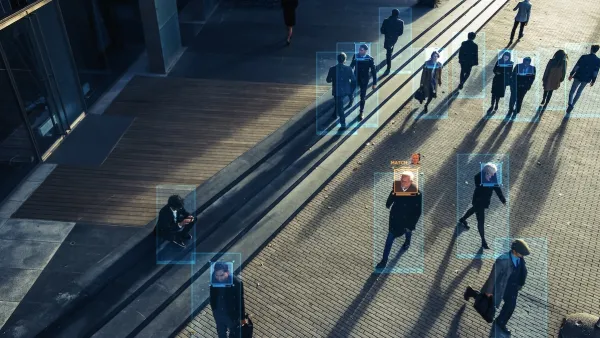
In Planning, the Possibilities With AI are High. So are the Stakes.
Planning history tells us that public trust is both fragile and essential. With AI, the time to set the right course is now.

Planetizen Federal Action Tracker
A weekly monitor of how Trump’s orders and actions are impacting planners and planning in America.

Amtrak, CN end decades-long dispute with eight-year agreement
The new operating agreement establishes an updated framework for the companies to work together, including processes to resolve disputes.

Judges permit Denver to divert 77,000 acre feet from the Colorado River for reservoir expansion
Overuse and climate change have caused the Colorado River’s water levels to plummet.

Idaho may see an 18% drop in federal surface transit funding — the largest estimated cut in the US
Transit systems in rural communities are much more reliant on federal funding to provide their services.

How ‘post-disaster gentrification’ alters neighborhoods after natural calamities
After hurricanes, fires or other calamities, the original residents of a community are often replaced by younger, wealthier residents.

Maryland local governments examine if they should have more power to raise property taxes
Maryland’s housing market is out of reach for the majority of moderate-income residents.

FREE Course: Walkable City 1: Why Walkability?
After describing his path towards focusing on walkability as the essence of good planning, Jeff Speck marches through his five principal reasons for making more walkable places.
Reinventing Malls: Planning Alchemy—Turning Gray Fields Into Gold
The course focuses on the opportunities and imperatives that shape reinvention of mall sites.

Harvard University Graduate School of Design
KFH Group Inc.
Greater Baltimore Committee
The Architects Foundation
University of Cincinnati Online
The Pocatello Development Authority
The Urban Renewal Agency of the City of Pocatello

