Although state-level laws are making it easier for homeowners to build accessory dwelling units, high impact and development fees remain a major barrier for many prospective ADU builders.


While many states are liberalizing regulations related to accessory dwelling units (ADUs) to make ‘granny flats’ easier to build, “local governments remain the key gatekeepers when it comes to ADU liberalization,” writes Mike Koenig in HousingWire.
For Koenig, there’s still work to do to ensure property owners around the country can easily and affordably build backyard cottages or other add-on units on residential lots that can help gently increase density and improve housing affordability.
“As state legislatures continue to press municipalities to ease or remove ADU-related restrictions (13 and counting have done so), utility and other fees—collectively known as impact fees—move toward the center of pro-ADU policy discussions. That’s because impact fees can add up to more than enough to stifle ADU development.” Koenig recommends a few ways cities can ensure their regulations aren’t limiting ADU production, including prorating impact fees and waiving certain development fees.
Koenig points out that the higher density created by ADUs can bring long-term benefits to the community beyond housing affordability, including higher tax revenues. But while costs and other barriers remain high, “States and municipalities have come a long way in smoothing the paths forward for those who hope to add vital infill housing through ADUs.”
FULL STORY: Opinion: States are making ADUs easier to build. Now it’s up to municipalities to follow suit.

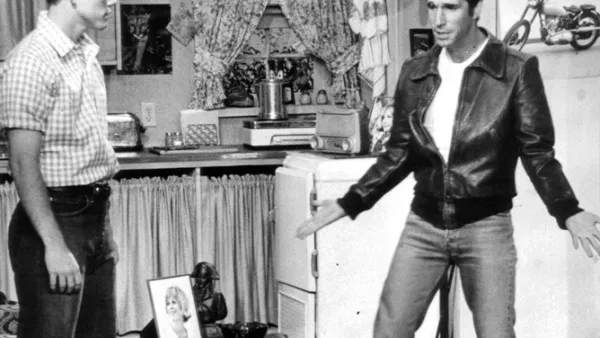
What do the Gilmore Girls, Happy Days, and Full House have in common? ADUs.
American sitcoms are full of garage apartments, attic rooms, and pool houses. Why aren't our cities?

Berkeley Launches ADU Amnesty Program
Owners of unpermitted accessory dwelling units can bring their units up to code and obtain certificates of compliance without facing penalties.
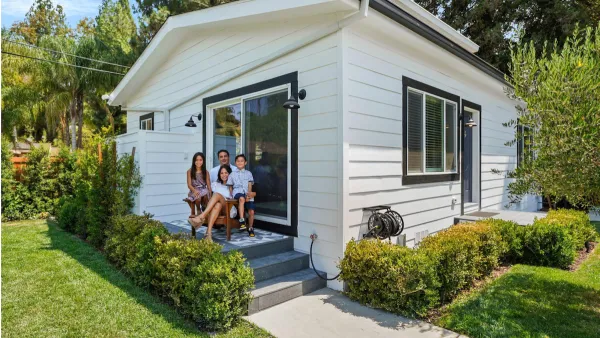
Creating Affordable Housing is a Priority for ADU Owners
How accessory dwelling units can benefit homeowners and renters alike.

Planetizen Federal Action Tracker
A weekly monitor of how Trump’s orders and actions are impacting planners and planning in America.

The state-sanctioned urbicide of Austin
People don’t kill cities. Freeways do.

US to reduce Colorado River water deliveries to Mexico
A new Colorado Treaty amendment reduces Mexico’s Colorado River water allocation by 250,000 acre feet.

Mamdani overhauls NYC's Vision Zero plan with 100 new policy goals
The overhaul aims to reduce traffic deaths and make streets safer for pedestrians, cyclists and drivers through lower speed limits, new safety infrastructure and more.

Amtrak not solely to blame for New Jersey commuter rail's unreliability, report finds
A new study from the Garden State Initiative found that NJ Transit’s budget grew 20% across a 4 year period, but reliability declined significantly over the same period.

EPA erases limits on planet-warming pollution from power plants
Under Monday’s plan, power plants would still have some limits on how much mercury, arsenic and other contaminants they can emit.

FREE Course: Walkable City 1: Why Walkability?
After describing his path towards focusing on walkability as the essence of good planning, Jeff Speck marches through his five principal reasons for making more walkable places.
Reinventing Malls: Planning Alchemy—Turning Gray Fields Into Gold
The course focuses on the opportunities and imperatives that shape reinvention of mall sites.

.jpg)
Eagle County Government
Harvard University Graduate School of Design
Nashville Planning Department
The Architects Foundation
University of Cincinnati Online
The Pocatello Development Authority
The Urban Renewal Agency of the City of Pocatello
Journal of the American Planning Association