The region is becoming more vulnerable to flooding and storm damage due in part to climate change and warmer seas.


The damage caused by last week’s powerful Hurricane Helene in Florida’s ‘Big Bend’ region highlights a growing threat for the area, reports Julia Jacobo for ABC 7.
“The underwater geology of the Gulf of Mexico leaves much of the low-lying coast unguarded against a massive influx of seawater. The continental shelf of the Florida Gulf Coast extends quite far offshore - up to 150 miles in some spots, according to the National Oceanographic and Atmospheric Administration (NOAA) - leaving the shallow waters nowhere to go.” The storm surge from Hurricane Helene is projected to be as high as 20 feet in some parts of the region.
The Big Bend is in increasing danger due to currents from the Gulf of Mexico, a loss of seagrass, and rising sea levels. The U.S. coastline could experience an average rise in sea level of about 11 inches between 2020 and 2025, according to a federal report. “While many factors contribute to the magnitude and impacts of storm surge and coastal flooding, average sea levels for many Gulf Coast communities are more than six inches higher today than they were just a few decades ago, data shows.”
Meanwhile, warmer ocean surface temperatures are fueling stronger hurricanes. “Warmer than normal oceans hold a lot of extra energy that these storms can feed on, and about 80% of major hurricanes, between Categories 3 and 5, undergo rapid intensification, defined as an increase in the maximum sustained winds of a tropical cyclone of about 35 mph or more in a 24-hour period.”
FULL STORY: Hurricane Helene: Climate change is making Florida's Big Bend more vulnerable to tropical threats

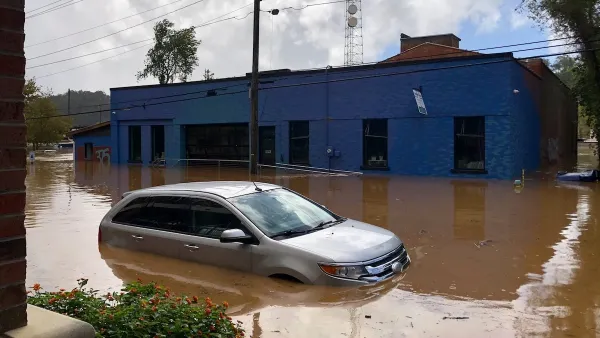
Love Letter to Asheville
A River Arts District resident and urbanist reflects on her experience in the former “climate haven” in the aftermath of Hurricane Helene.
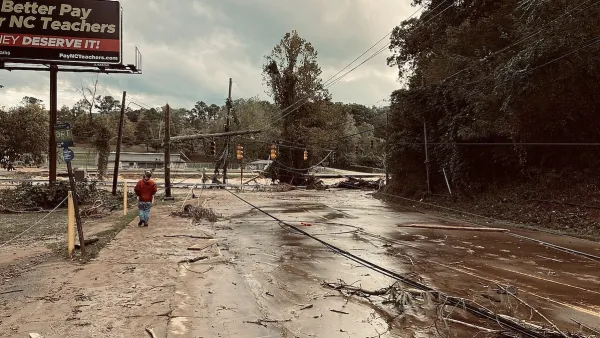
‘Climate Havens’ Not Safe From Hurricane Helene’s Destruction
Parts of North Carolina previously considered immune to the impact of hurricanes experienced historic flooding in the aftermath of the storm.
Will Hurricanes Drive Away Florida’s Retirees?
Some children of Florida retirees are urging their parents to leave hurricane-prone areas for safer regions.

The state-sanctioned urbicide of Austin
People don’t kill cities. Freeways do.

US to reduce Colorado River water deliveries to Mexico
A new Colorado Treaty amendment reduces Mexico’s Colorado River water allocation by 250,000 acre feet.

New Jersey’s second-largest city bans standalone data centers
Jersey City will continue to allow co-location facilities, such as those meant for research institutions that store their own data.

Amtrak not solely to blame for New Jersey commuter rail's unreliability, report finds
A new study from the Garden State Initiative found that NJ Transit’s budget grew 20% across a 4 year period, but reliability declined significantly over the same period.

EPA erases limits on planet-warming pollution from power plants
Under Monday’s plan, power plants would still have some limits on how much mercury, arsenic and other contaminants they can emit.

Phoenix announces new on-demand transit service, more frequent RAPID buses
Both new services will launch in October, and are part of Phoenix's Project Effective Access Solutions for Easing Congestion.

FREE Course: Walkable City 1: Why Walkability?
After describing his path towards focusing on walkability as the essence of good planning, Jeff Speck marches through his five principal reasons for making more walkable places.
Reinventing Malls: Planning Alchemy—Turning Gray Fields Into Gold
The course focuses on the opportunities and imperatives that shape reinvention of mall sites.

.jpg)
Eagle County Government
Harvard University Graduate School of Design
Nashville Planning Department
The Architects Foundation
University of Cincinnati Online
The Pocatello Development Authority
The Urban Renewal Agency of the City of Pocatello
Journal of the American Planning Association