The third phase of the project will expand service to downtown Honolulu on the ‘nation’s first large-scale, publicly run automated metro system.’


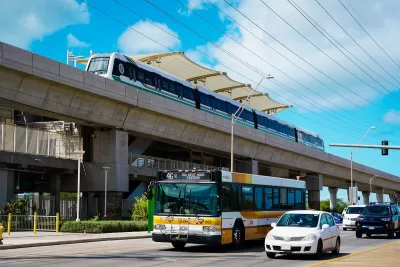
The Honolulu Authority for Rapid Transportation (HART) announced a $1.66 billion contract to enhance its rail system, popularly known as the Skyline, the “first large-scale, publicly run automated metro system in the U.S.,” reports Jon Turi in The Cool Down.
“The initial phase completed in June 2023 already offers 20 four-car vehicles made by Hitachi Rail that can accommodate around 800 riders each. They're ADA-compliant, air-conditioned, and have bike, luggage, and, of course, surfboard storage areas.” The third phase of the project will, over the next five years, connect existing lines to downtown Honolulu.
The electric system is part of Hawaii’s strategy to switch to 100 percent renewable energy by 2045. The platforms feature protective platform screen doors that keep riders away from tracks, and the trains include bike and surfboard storage areas.

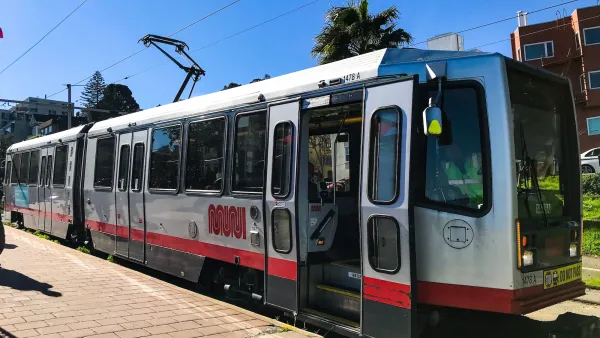
San Francisco cyclists push to allow bikes on Muni trains
The agency is one of few that bans bikes from its trains due to space constraints.
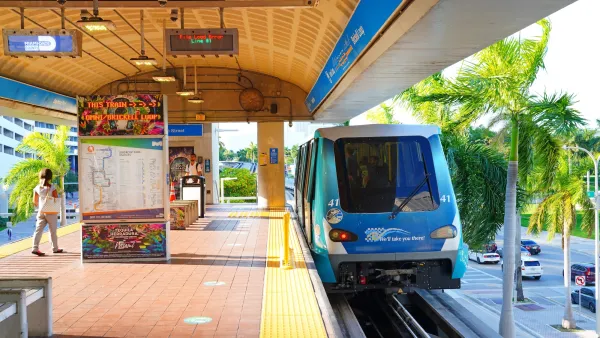
Miami-Dade budget proposes draining rail fund, bus service cuts
The county mayor says the diversion of rail funds is necessary to prevent deeper service cuts.
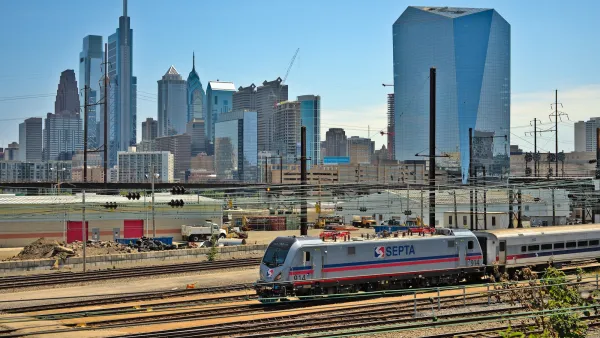
Extreme heat forces Amtrak, SEPTA to slow trains
High temperatures affect train tracks, electrical equipment and other key infrastructure.

Planetizen Federal Action Tracker
A weekly monitor of how Trump’s orders and actions are impacting planners and planning in America.

The state-sanctioned urbicide of Austin
People don’t kill cities. Freeways do.

US to reduce Colorado River water deliveries to Mexico
A new Colorado Treaty amendment reduces Mexico’s Colorado River water allocation by 250,000 acre feet.

Mamdani overhauls NYC's Vision Zero plan with 100 new policy goals
The overhaul aims to reduce traffic deaths and make streets safer for pedestrians, cyclists and drivers through lower speed limits, new safety infrastructure and more.

Amtrak not solely to blame for New Jersey commuter rail's unreliability, report finds
A new study from the Garden State Initiative found that NJ Transit’s budget grew 20% across a 4 year period, but reliability declined significantly over the same period.

EPA erases limits on planet-warming pollution from power plants
Under Monday’s plan, power plants would still have some limits on how much mercury, arsenic and other contaminants they can emit.

FREE Course: Walkable City 1: Why Walkability?
After describing his path towards focusing on walkability as the essence of good planning, Jeff Speck marches through his five principal reasons for making more walkable places.
Reinventing Malls: Planning Alchemy—Turning Gray Fields Into Gold
The course focuses on the opportunities and imperatives that shape reinvention of mall sites.

Eagle County Government
Harvard University Graduate School of Design
Nashville Planning Department
The Architects Foundation
University of Cincinnati Online
The Pocatello Development Authority
The Urban Renewal Agency of the City of Pocatello
Journal of the American Planning Association