Results from a YouGov survey indicate there is interest in subway and train cars being designated as women only, especially among female riders, younger riders, and people who have had negative interactions on public transportation.


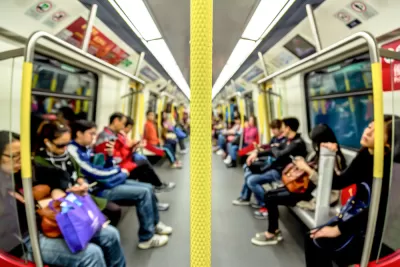
YouGov, an international online research group, recently conducted a survey that asked 31,000 Americans if transit agencies in the United States should designate the first car of each subway train for women only like Japan, India, and Brazil do. According to their results, “43% of Americans somewhat or strongly support the trains and subway systems nearest to them reserving a car for women only. In comparison, only 30% of Americans oppose the adoption of this policy, and 27% are not sure.”
The picture becomes more interesting the farther you delve into the data. The following are some highlights (the original article has some excellent charts illustrating the results that are worth checking out):
- Women were more likely than men to support it (48 vs. 38 percent) and less likely to oppose it (22 vs. 37 percent).
- Ridership frequency impacts level of support: of those who support women-only cars: 60 percent of those who ride daily were in favor, as were 55 percent of weekly riders, 52 percent of monthly riders, 44 percent of those who ride a few times a year, and 37 percent of people who never ride transit.
- Opposition to women-only cars is strongest among Americans who say they never ride transit.
- Younger riders are more in favor of the policy, 56 percent of adults under 30 versus 32 percent of adults 65 and older.
- People who have had negative experiences on public transit (35 percent) are more likely to support women-only cars.
YouGov article authors Macel Moran and Taylor Orth conclude, “These results indicate significant interest from Americans in their local transit systems experimenting with women-only cars on trains and subways. Particularly in the context of decreased transit ridership nationwide in the wake of the COVID-19 pandemic, such a policy could potentially encourage transit use among women with previous negative experiences on public transportation.”
FULL STORY: Should U.S. transit systems designate women-only cars?

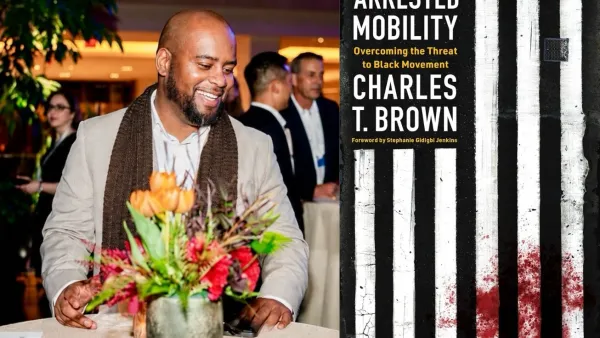
'Arrested mobility' and the fight for Black movement
Author Charles T. Brown explains how his experience growing up in rural Mississippi shaped his worldview and his current work for equitable transportation.
MPO Boards Don’t Reflect Their Constituencies
Metropolitan planning organizations make important transportation planning decisions, but their memberships often don’t reflect their region’s demographics.

State DOTs Don’t Resemble Their Constituencies — And That’s a Problem
Streetsblog calls attention to the lack of representation of women, people of color, and other groups in state departments of transportation that are largely dominated by white men.

Planetizen Federal Action Tracker
A weekly monitor of how Trump’s orders and actions are impacting planners and planning in America.

The state-sanctioned urbicide of Austin
People don’t kill cities. Freeways do.

US to reduce Colorado River water deliveries to Mexico
A new Colorado Treaty amendment reduces Mexico’s Colorado River water allocation by 250,000 acre feet.

5 New England states march closer to 800 megawatt wind energy project
Securing federal approval for the project may be complicated under the Trump administration, which has historically been hostile towards domestic wind power.

Baltimore to break ground on $50 million Transit Priority Project
The project will bring faster bus trips, safer streets and better bike connections to Baltimore.

Airbnb launches $250 million 'last-dollar financing' housing accelerator, makes first investment in Austin
The company will put $6.4 million towards affordable housing development in Texas’ capital.

FREE Course: Walkable City 1: Why Walkability?
After describing his path towards focusing on walkability as the essence of good planning, Jeff Speck marches through his five principal reasons for making more walkable places.
Reinventing Malls: Planning Alchemy—Turning Gray Fields Into Gold
The course focuses on the opportunities and imperatives that shape reinvention of mall sites.

Eagle County Government
Harvard University Graduate School of Design
Nashville Planning Department
The Architects Foundation
University of Cincinnati Online
The Pocatello Development Authority
The Urban Renewal Agency of the City of Pocatello
Journal of the American Planning Association