According to a new NATO report, micromobility ridership in the U.S. was up 16% in 2023. Shared bike ridership set a new record, despite higher fares.


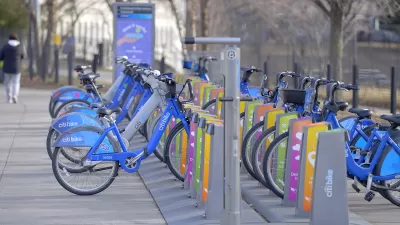
An article in Smart Cities Dive explores a report from the National Association of City Transportation Officials that found that in 2023, “shared bike ridership in the U.S. set a new record of 68 million rides, with dock-based bikes capturing the majority of rides at 61 million.” The report also found that e-bikes accounted for 46 percent of shared-bike trips. Could that indicate that e-bikes are a driving factor in increased shared bike ridership, possibly by opening the mode up to a wider number of riders and making longer trips more feasible?
Some additional interesting findings senior reporter Dan Zukowski identified in the NACTO micromobility report:
- Use of bike share and scooter share systems in US cities rose 16 percent in 2023 over the previous year to 133 million total rides, just shy of the all-time high of 136 million in 2019.
- “Dockless scooters accounted for 65 million rides in 2023, below an all-time high of 86 million in 2019.”
- The cost for riders has risen sharply over the last four years: since 2019, annual price passes are up 32 percent in Chicago, 30 percent in Boston and 21 percent in New York City.
- “Cities in the U.S. and Canada will tally 1 billion combined [micromobility] trips in the coming year.”
The trend has been confirmed in Washington, D.C., which broke records for single-day ridership in March. However, the same cannot be said for Houston's public bike share system, which just last month announced it would be ending operations after 12 years because of budget shortfalls, making it the largest city in the U.S. without a bike share network.
Zukowski concludes with the report’s advice to cities looking to foster continued success of shared micromobility: public ownership and subsidies to increase affordability for riders, elimination of sales tax on rides (similar to public transit fares), more protected bike lane networks, and increased proximity of micromobility stations and devices to homes and popular destinations.
FULL STORY: Micromobility ridership up 16% in US cities in 2023

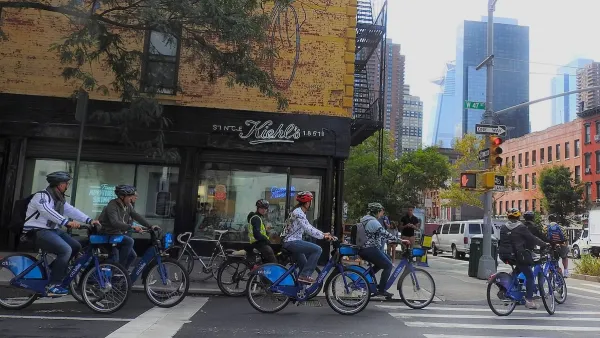
Report: Bike and Scooter Shares are up Again, This Time by 31%. Has the Future Arrived?
The new micromobility report is out, and despite rising costs and tight regulations, it is bigger than ever, and still growing. After nearly a decade of adjustment, cities’ mobility systems may be changed for good.
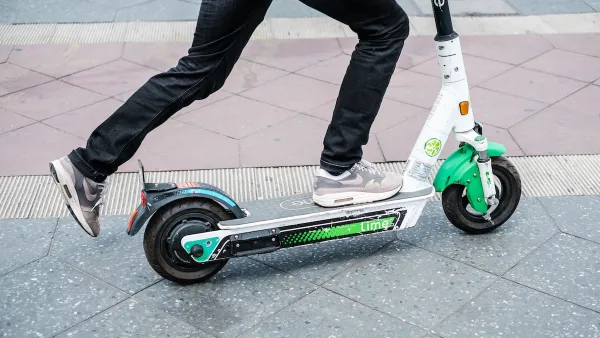
NYC E-Scooter Program Threatened Despite High Ridership
Rental scooters in Queens and the Bronx provided close to two million trips in 2024, with many trips starting or ending near transit. Some city officials want to remove them.
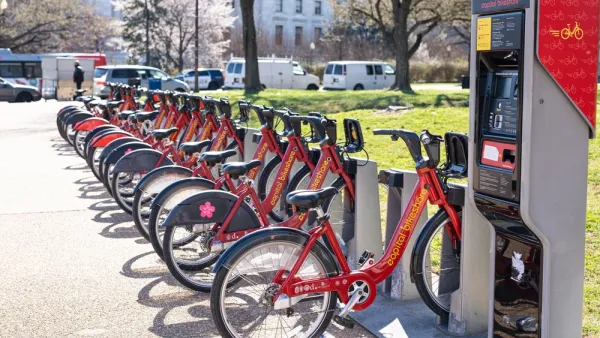
Bikeshare Ridership Up From Pre-Pandemic Levels
Shared micromobility, particularly docked bikeshare systems, are seeing record growth, but ‘scooter inflation’ may cool riders’ enthusiasm.

The state-sanctioned urbicide of Austin
People don’t kill cities. Freeways do.

US to reduce Colorado River water deliveries to Mexico
A new Colorado Treaty amendment reduces Mexico’s Colorado River water allocation by 250,000 acre feet.

New Jersey’s second-largest city bans standalone data centers
Jersey City will continue to allow co-location facilities, such as those meant for research institutions that store their own data.

Amtrak not solely to blame for New Jersey commuter rail's unreliability, report finds
A new study from the Garden State Initiative found that NJ Transit’s budget grew 20% across a 4 year period, but reliability declined significantly over the same period.

EPA erases limits on planet-warming pollution from power plants
Under Monday’s plan, power plants would still have some limits on how much mercury, arsenic and other contaminants they can emit.

Phoenix announces new on-demand transit service, more frequent RAPID buses
Both new services will launch in October, and are part of Phoenix's Project Effective Access Solutions for Easing Congestion.

FREE Course: Walkable City 1: Why Walkability?
After describing his path towards focusing on walkability as the essence of good planning, Jeff Speck marches through his five principal reasons for making more walkable places.
Reinventing Malls: Planning Alchemy—Turning Gray Fields Into Gold
The course focuses on the opportunities and imperatives that shape reinvention of mall sites.

Eagle County Government
Harvard University Graduate School of Design
Nashville Planning Department
The Architects Foundation
University of Cincinnati Online
The Pocatello Development Authority
The Urban Renewal Agency of the City of Pocatello
Journal of the American Planning Association