Gullah-Geechee residents of Mcintosh County, Georgia, are seeking a referendum to reverse zoning changes they say threaten their community, one of the last in the South. County commissioners say they don’t have that power.


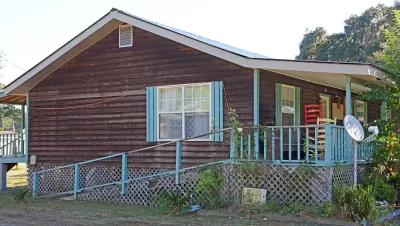
Residents in Mcintosh County, Georgia, are pushing back against zoning changes they say threaten one of the South’s last Gullah-Geechee communities. According to an Associated Press article published by Fox 5 Atlanta the Black residents of Hogg Hummock, located on Sapelo Island, filed a petition seeking a referendum on the county commissioners’ decision last fall to double the size of houses allowed in the community, which residents say “will lead to property tax increases that they won’t be able to afford, possibly forcing them to sell land their families have held for generations.”
Hog Hammock is home to a community of 30 to 50 Gullah-Geechee people, descendants of West and Central Africans who were enslaved and brought to the coastal lands and barrier islands of the southeastern coast of the United States, where they lived in relative isolation, allowing them to retain their African culture, heritage, and traditions.
“Hogg Hummock residents and their supporters submitted a petition on July 9 with more than 2,300 signatures at the McIntosh County courthouse,” writes Russ Bynum for the Associated Press,” which is more than required to put the zoning issue before county voters. But an attorney representing the McIntosh County commissioners submitted a letter to the probate judge, arguing that, “Though Georgia’s state constitution allows citizens to force special elections on some decisions by county governments, it doesn’t give them the power to overturn county zoning decisions.”
“Georgia gives 60 days for a probate judge to review a petition and decide if it meets the requirements for a special election,” Russ reports. If the probate judge sides with the petitioners, the issue could go before voters in September or October.
Read the full story: County says Georgia slave descendants can't use referendum to challenge zoning changes

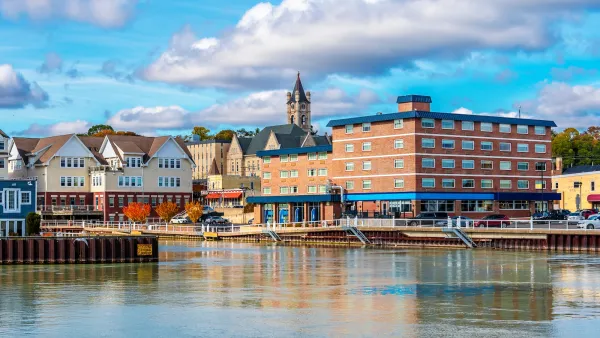
Voters in Wisconsin city pass nation's first data center referendum
The measure requires voter approval for tax incentives to new data centers.
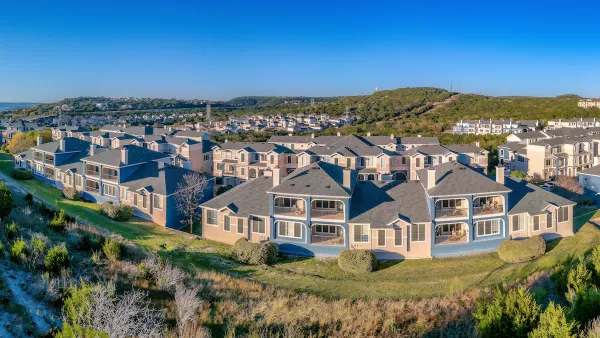
Austin Lot Size Changes Could Make Homes More Affordable
Land acquisition makes up 15 to 20 percent of the cost of an average home in the Austin area.
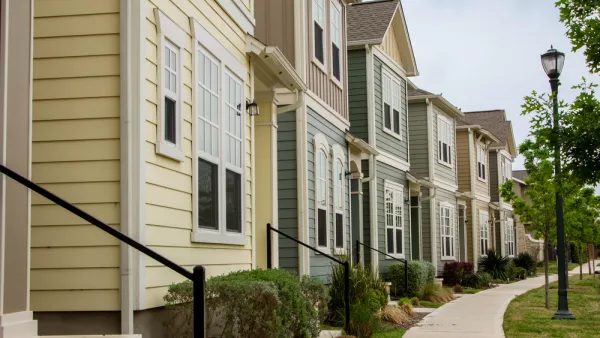
Austin Reduces Minimum Lot Size
Smaller lot sizes for single-family homes can make construction more affordable and homeownership available to more households.

Planetizen Federal Action Tracker
A weekly monitor of how Trump’s orders and actions are impacting planners and planning in America.

The state-sanctioned urbicide of Austin
People don’t kill cities. Freeways do.

Colorado’s Largest Data Center Could Rise Next to Homes — Without a Public Hearing
The proposed campus would consume 11 times the power of Denver International Airport; as it has across the country, opposition mounts.

Nation's most wind-powered state turns to coal as data centers increase energy demand
For the first time in decades, Iowa has increased its generation of coal power.

NYC cools commuters with city's first rain garden above a bus stop
New York City officials say the plants in the rain garden can absorb 16 gallons of rainwater during heavy storms.

Brightline West’s future may rely on $6 billion federal loan
The company has until Nov. 2 to make a $400 million equity investment into its proposed high-speed rail line.

FREE Course: Walkable City 1: Why Walkability?
After describing his path towards focusing on walkability as the essence of good planning, Jeff Speck marches through his five principal reasons for making more walkable places.
Reinventing Malls: Planning Alchemy—Turning Gray Fields Into Gold
The course focuses on the opportunities and imperatives that shape reinvention of mall sites.

Greater Baltimore Committee
Eagle County Government
Harvard University Graduate School of Design
The Architects Foundation
University of Cincinnati Online
The Pocatello Development Authority
The Urban Renewal Agency of the City of Pocatello
Journal of the American Planning Association