Fireworks shows often lead to lost pets, disruptions for local wildlife, polluted water, and wildfires. Drone shows offer a safer celebration.


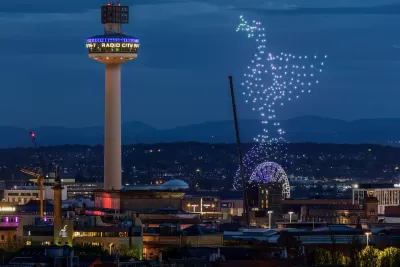
Cities around the world are moving away from large-scale fireworks shows, which emit pollution, disturb wildlife and pets, impact people with post-traumatic stress disorder (PTSD) and other conditions, and can spark wildfires.
As Michaela Haas explains in Reasons to be Cheerful, “While the show might only last for 15 minutes, the contamination of the soil, water and air lasts much longer, often for many years. After Independence Day, Californian beaches are always littered with the plastic shells and smoldering leftovers of the rockets and artillery shells beachgoers launched.” Meanwhile, eight deaths and close to 10,000 injuries were attributed to fireworks in 2023.
In Los Angeles County, the LA Regional Water Quality Control Board has tightened regulations on pyrotechnics over water, causing some coastal cities including Laguna Beach and La Jolla to switch to drone shows instead of fireworks displays. “Laser and drone shows are comparatively new inventions, but because of AI, they are rapidly getting more sophisticated and entertaining every year.”
FULL STORY: Is it time to break up with fireworks?

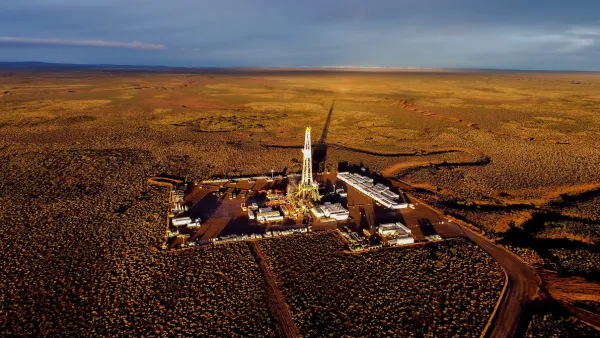
Study: Fracking Chemical Disclosures Prompt More Cautious Behavior
Because toxic chemicals used in fracking can contaminate local water supplies, residents in states that require companies to disclose their materials are more likely to increase their bottled water consumption.
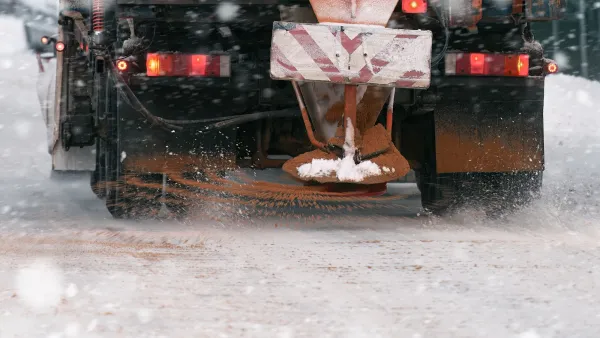
Winter Road Salt is Making Waterways Toxic to Wildlife
Salt used to clear streets is accumulating in local creeks and rivers and seeping into groundwater, contaminating fresh water supplies.
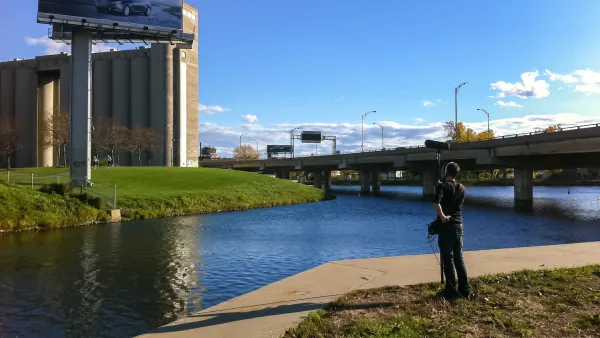
Montreal Artist Envisions What Cities Would Sound Like if we Deprioritized Cars
What would a city sound like without the noise of vehicles?

Planetizen Federal Action Tracker
A weekly monitor of how Trump’s orders and actions are impacting planners and planning in America.

The state-sanctioned urbicide of Austin
People don’t kill cities. Freeways do.

US to reduce Colorado River water deliveries to Mexico
A new Colorado Treaty amendment reduces Mexico’s Colorado River water allocation by 250,000 acre feet.

5 New England states march closer to 800 megawatt wind energy project
Securing federal approval for the project may be complicated under the Trump administration, which has historically been hostile towards domestic wind power.

Baltimore to break ground on $50 million Transit Priority Project
The project will bring faster bus trips, safer streets and better bike connections to Baltimore.

Airbnb launches $250 million 'last-dollar financing' housing accelerator, makes first investment in Austin
The company will put $6.4 million towards affordable housing development in Texas’ capital.

FREE Course: Walkable City 1: Why Walkability?
After describing his path towards focusing on walkability as the essence of good planning, Jeff Speck marches through his five principal reasons for making more walkable places.
Reinventing Malls: Planning Alchemy—Turning Gray Fields Into Gold
The course focuses on the opportunities and imperatives that shape reinvention of mall sites.

Eagle County Government
Harvard University Graduate School of Design
Nashville Planning Department
The Architects Foundation
University of Cincinnati Online
The Pocatello Development Authority
The Urban Renewal Agency of the City of Pocatello
Journal of the American Planning Association