New estimates project a steady increase in electricity demand due to population growth, data centers, and the shift to electric power in homes, buildings, and transportation.


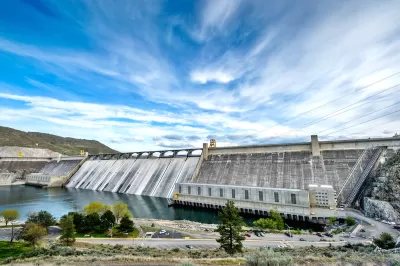
Projected electricity demand in the U.S. Northwest will likely grow by 30 percent in the next decade, a growth rate faster than previously expected, writes Alex Baumhardt in Governing.
The increased demand is in part due to the large number of data centers being built in the region as well as greater demand for electric home appliances, buildings, and transportation, according to a report from the Pacific Northwest Utilities Conference Committee. “Oregon’s data center market is the fifth largest in the nation, according to Chicago-based commercial real estate group Cushman & Wakefield. Amazon, Apple, Facebook, Google and X, formerly named Twitter, have massive data centers in eastern Oregon as well as in The Dalles, Hillsboro and Prineville that require enormous amounts of energy to operate.”
Demand for electricity to charge electric vehicles is expected to make up roughly 4 percent of electricity demand in the West by 2034. “Population is also expected to influence demand, with some areas seeing growth and others a drop, and changes in building code laws and energy efficiency mandated by local and state governments will also affect demand, the report said.”
“Members of the utilities committee recommended that regional energy departments collaborate on expanding electrical grids and transmission capabilities across the West to accommodate these changes,” Baumhardt adds.
FULL STORY: Northwest Electricity Demand Projection Triples Previous Estimates

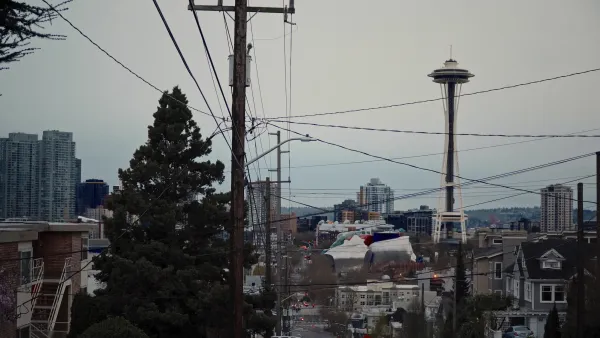
Seattle Density Increase Stymied by Underground Power Line Requirement
A new policy that requires buildings with four or more units to bury their electrical lines is making housing development more costly and causing months-long delays.

US May Have 100 Times More Blackouts by 2030
Rising demand driven by AI data centers and uncertain energy sources could lead to a surge in power outages by the end of the decade.
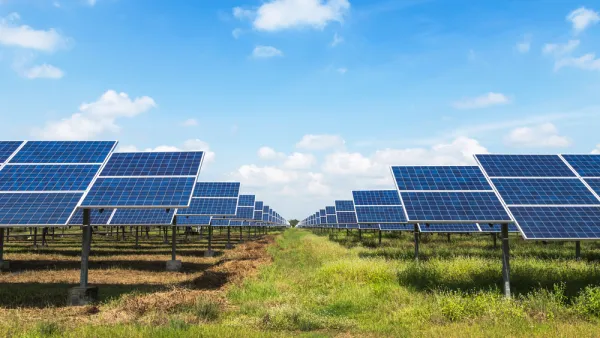
Solar Industry Growing Fast, but is Hampered by Aging Grid
One of solar’s biggest challenges is getting the energy where it needs to go.

Planetizen Federal Action Tracker
A weekly monitor of how Trump’s orders and actions are impacting planners and planning in America.

The state-sanctioned urbicide of Austin
People don’t kill cities. Freeways do.

US to reduce Colorado River water deliveries to Mexico
A new Colorado Treaty amendment reduces Mexico’s Colorado River water allocation by 250,000 acre feet.

Mamdani overhauls NYC's Vision Zero plan with 100 new policy goals
The overhaul aims to reduce traffic deaths and make streets safer for pedestrians, cyclists and drivers through lower speed limits, new safety infrastructure and more.

Amtrak not solely to blame for New Jersey commuter rail's unreliability, report finds
A new study from the Garden State Initiative found that NJ Transit’s budget grew 20% across a 4 year period, but reliability declined significantly over the same period.

EPA erases limits on planet-warming pollution from power plants
Under Monday’s plan, power plants would still have some limits on how much mercury, arsenic and other contaminants they can emit.

FREE Course: Walkable City 1: Why Walkability?
After describing his path towards focusing on walkability as the essence of good planning, Jeff Speck marches through his five principal reasons for making more walkable places.
Reinventing Malls: Planning Alchemy—Turning Gray Fields Into Gold
The course focuses on the opportunities and imperatives that shape reinvention of mall sites.

Eagle County Government
Harvard University Graduate School of Design
Nashville Planning Department
The Architects Foundation
University of Cincinnati Online
The Pocatello Development Authority
The Urban Renewal Agency of the City of Pocatello
Journal of the American Planning Association