Learn about the importance of dark skies for the health and enjoyment of individuals and wildlife, and how L.A. County's Rural Outdoor Lighting District is helping to reduce light pollution.


The dark sky movement seeks to reduce light pollution, generally defined as the unwanted, inappropriate, or excessive use of artificial light. The benefits of reducing light pollution include more stars being visible at night, reduced effects of electric lighting on the environment, improved well-being, health, and safety of people and wildlife, and decreased energy usage.
In Los Angeles County, the Rural Outdoor Lighting District (ROLD) promotes and maintains dark skies for the health and enjoyment of individuals and wildlife. Specifically, ROLD applies to rural unincorporated areas and includes requirements such as shielding and angling lights to avoid light pollution and light spilling onto adjacent properties. Individuals may also adopt lighting best practices to reduce light pollution in communities. For example, they can take actions such as turning exterior lights off by 10:00 pm, using motion sensors for lights at night, opting for subdued warm lighting, and only using the lights that they really need.
For more information, please visit this webpage created and maintained by the L.A. County Department of Regional Planning which includes resources such as brochures in multiple languages about the ROLD and videos explaining the importance of dark skies and how the ROLD helps to reduce light pollution.
FULL STORY: Rural Outdoor Lighting District Ordinance


Turning Out the Lights on Light Pollution
Limiting light pollution can have beneficial effects for humans, animals, and the local economy.

The Importance of Dark Skies
Why light pollution harms humans and the environment.
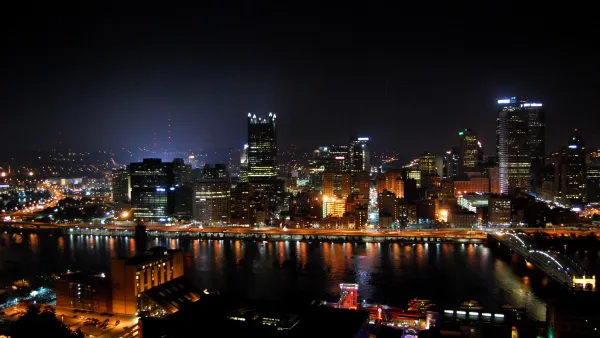
Pittsburgh Becomes First 'Dark Sky' City in Eastern U.S.
As evidence showing the benefits of dark skies builds, Pittsburgh becomes the first eastern American city to enact a dark sky policy.

Planetizen Federal Action Tracker
A weekly monitor of how Trump’s orders and actions are impacting planners and planning in America.

The state-sanctioned urbicide of Austin
People don’t kill cities. Freeways do.

US to reduce Colorado River water deliveries to Mexico
A new Colorado Treaty amendment reduces Mexico’s Colorado River water allocation by 250,000 acre feet.

Guerilla urbanists are building DIY bus stop benches in Chicago
A before-and-after of one of the bus stops with a new bench. The new benches are not officially sanctioned or permitted, but the residents who placed them hope they will be the start of a network of DIY benches across the city.

Mamdani overhauls NYC's Vision Zero plan with 100 new policy goals
The overhaul aims to reduce traffic deaths and make streets safer for pedestrians, cyclists and drivers through lower speed limits, new safety infrastructure and more.

Amtrak not solely to blame for New Jersey commuter rail's unreliability, report finds
A new study from the Garden State Initiative found that NJ Transit’s budget grew 20% across a 4 year period, but reliability declined significantly over the same period.

FREE Course: Walkable City 1: Why Walkability?
After describing his path towards focusing on walkability as the essence of good planning, Jeff Speck marches through his five principal reasons for making more walkable places.
Reinventing Malls: Planning Alchemy—Turning Gray Fields Into Gold
The course focuses on the opportunities and imperatives that shape reinvention of mall sites.

Eagle County Government
Harvard University Graduate School of Design
Nashville Planning Department
The Architects Foundation
University of Cincinnati Online
The Pocatello Development Authority
The Urban Renewal Agency of the City of Pocatello
Journal of the American Planning Association