A first-of-its-kind analysis reveals state-by-state trends in infant and toddler homelessness.


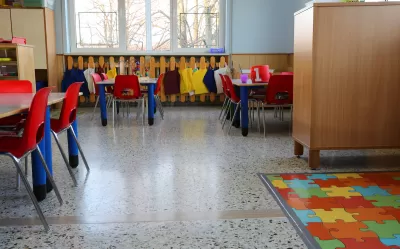
A report from SchoolHouse Connections highlights a growing crisis, the rise in homelessness among American infants and toddlers. “This is a first-of-its-kind, in-depth snapshot of data on infant and toddler homelessness in each of the 50 states, as well as nationally. These data profiles are intended to create greater awareness of the prevalence of infant and toddler homelessness, and gaps in access to early childhood development programs. ”
According to the analysis, “364,390 birth through age three year olds experienced homelessness across the United States during the 2021-2022 program year, representing approximately 2.5% of the entire birth through age three population.” Of these children, only 11 percent were enrolled in an early childhood development program.
The report also notes that only 26 states waive child care program copayments for families experiencing homelessness, and just 18 provide automatic or streamlined eligibility for unhoused children.
Read the full story: Infant & Toddler Homelessness Across 50 States: 2021-2022

LA has no plan — or funding — to help unhoused people displaced by Olympics security efforts
City and county officials say they don't have the funds to offer housing to the up to 1,600 people that will be displaced by perimeters around event venues.
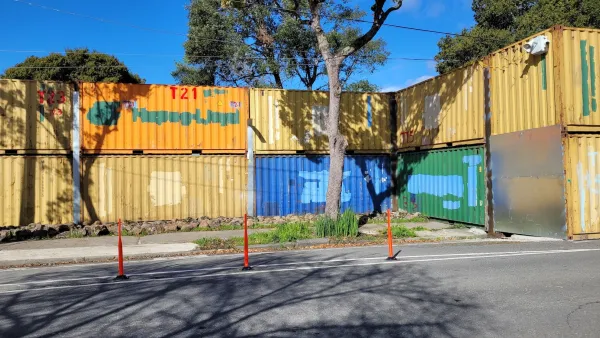
Berkeley promised to build supportive housing in People's Park. Where is it?
More than two years after People's Park was cordoned off, there is no word on a timeline for a promised affordable housing project.
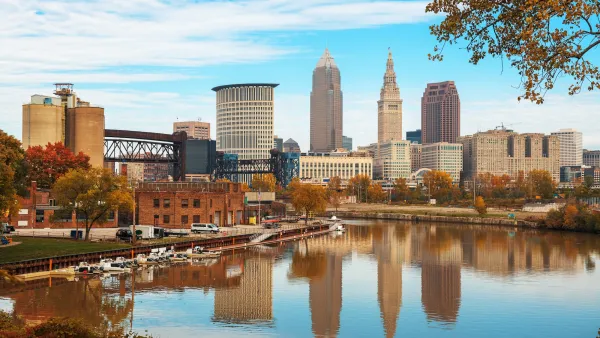
Cleveland program has housed 200 people since 2024
The A Home For Every Neighbor initiative successfully moves people into housing in under two weeks.

Planetizen Federal Action Tracker
A weekly monitor of how Trump’s orders and actions are impacting planners and planning in America.

Eastern Nebraska is running out of electricity
Data centers and electrification are straining eastern Nebraska’s grid, throttling economic development.

Washington state to charge fee to drivers with fuel-efficient cars
Revenue from the fee will go towards supporting the state’s highways.

Instead of building new housing, LA developers are turning mansions into mega-mansions
In the richest areas, the number of houses valued at $30 million with demolition permits has skyrocketed since 2018.

Illinois considers spending $1 billion in taxpayer money on data center
A quantum computing campus and data center are currently under construction in Chicago.

As development costs rise, Boston moves to lessen affordable housing requirements
The Boston Zoning Commission and the City Council still need to approve Boston Mayor Michelle Wu’s proposed changes

FREE Course: Walkable City 1: Why Walkability?
After describing his path towards focusing on walkability as the essence of good planning, Jeff Speck marches through his five principal reasons for making more walkable places.
Reinventing Malls: Planning Alchemy—Turning Gray Fields Into Gold
The course focuses on the opportunities and imperatives that shape reinvention of mall sites.

City of Charlotte
City of Rosemead
Rutgers University, Edward J. Bloustein School of Planning and Public Policy
University of Michigan School for Environment and Sustainability (SEAS)
Hunter College, City University of New York (CUNY)
The Architects Foundation
City of Cambridge
The Pocatello Development Authority
The Urban Renewal Agency of the City of Pocatello