Are U.S. utilities and energy infrastructure prepared for the energy demand of data centers to more than double by 2030, driven largely by increased use of AI?


As the use of AI technology grows, experts have their eyes on implications for the energy sector and electrical grid, reports Yahoo Finance. According to a 2021 study, training a large language model program like ChatGPT consumes enough energy to power 120 homes for the entire year. With the energy demands of data centers used to facilitate AI expected to nearly double by the end of this decade, from 17 gigawatts to up to 35 gigawatts a year, concerns about viability of the electrical grid, supply, and cost abound. Timothy Fox, a managing director for ClearView Energy Partners, put 35 gigawatts into perspective for Yahoo Finance interviewers:
That’s “about as much power as the state of New York consumes on the hottest day of the summer.”
“This is coming at one of the most pressing times for the grid,” Fox said, “one of the most prevalent issues facing the grid today, the power sector, is trying to ensure grid reliability at the same time it transitions to cleaner but also intermittent resources…Data centers not only facilitate AI, but they’re the backbone for our industries, for our commerce, for our transportation, for our health. These are mission critical infrastructure, so it’s going to be important that, while we’re facilitating this new industry, it’s not lights out for other industries.”
These concerns will primarily impact places with high concentrations of data centers (e.g., Virginia, California, Texas, and Arizona) and those trying to attract them. Fox says the utility companies and regulators know the demand is coming, but he didn’t delve into specific implications for infrastructure, regulations, and electricity rates.
FULL STORY: AI and the U.S. power grid: Concerns grow that the country's infrastructure is not prepared

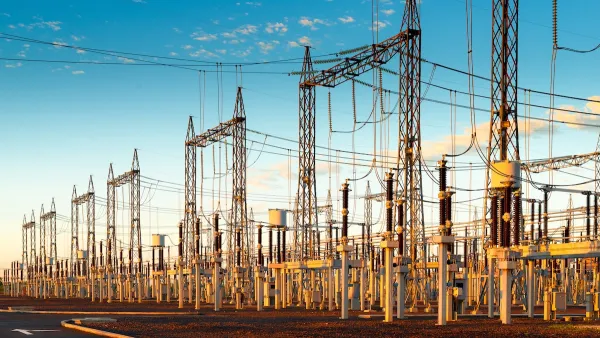
Ratepayers Could Be on the Hook for Data Centers’ Energy Use
Without regulatory changes, data centers’ high demand for energy would be subsidized by taxpayers, according to a new study.

Musk ‘Supercomputer’ Raises Water, Power, and Pollution Concerns in Memphis
The facility, which was completed in just 122 days, was rushed through so quickly, it is still missing environmental permits and infrastructure needed to ensure it doesn’t put stress on the grid or local water supply.
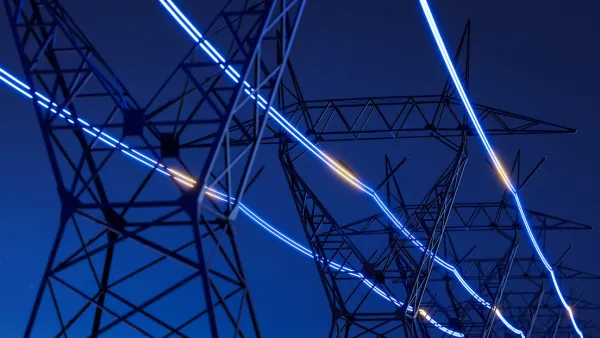
Addressing AI’s Massive Energy Needs
How policy can support ‘efficiency-forward’ approaches to AI growth.

The state-sanctioned urbicide of Austin
People don’t kill cities. Freeways do.

US to reduce Colorado River water deliveries to Mexico
A new Colorado Treaty amendment reduces Mexico’s Colorado River water allocation by 250,000 acre feet.

New Jersey’s second-largest city bans standalone data centers
Jersey City will continue to allow co-location facilities, such as those meant for research institutions that store their own data.

Amtrak not solely to blame for New Jersey commuter rail's unreliability, report finds
A new study from the Garden State Initiative found that NJ Transit’s budget grew 20% across a 4 year period, but reliability declined significantly over the same period.

EPA erases limits on planet-warming pollution from power plants
Under Monday’s plan, power plants would still have some limits on how much mercury, arsenic and other contaminants they can emit.

Phoenix announces new on-demand transit service, more frequent RAPID buses
Both new services will launch in October, and are part of Phoenix's Project Effective Access Solutions for Easing Congestion.

FREE Course: Walkable City 1: Why Walkability?
After describing his path towards focusing on walkability as the essence of good planning, Jeff Speck marches through his five principal reasons for making more walkable places.
Reinventing Malls: Planning Alchemy—Turning Gray Fields Into Gold
The course focuses on the opportunities and imperatives that shape reinvention of mall sites.

Eagle County Government
Harvard University Graduate School of Design
Nashville Planning Department
The Architects Foundation
University of Cincinnati Online
The Pocatello Development Authority
The Urban Renewal Agency of the City of Pocatello
Journal of the American Planning Association