For many people experiencing homelessness, the process of finding and keeping a job is fraught with challenges.


An article in the Urban Institute’s Urban Wire by Maureen Sarver explains why it’s often difficult for people experiencing homelessness to maintain employment that pays enough to cover the cost of housing.
According to Sarver, “A recent study found that 53 percent of adults sleeping in homeless shelters and 40 percent of people sleeping on the street or other places not intended for sleeping were employed during the same year they had experienced homelessness. Even when people are employed, their incomes still aren’t high enough to afford housing in short supply.”
The article points to systemic barriers that prevent people from getting and keeping employment, providing suggestions for how “homelessness response and workforce development systems should work together to target resources to help people find a stable job and stable housing.”
For many unhoused people, basic requirements for employment such as an ID, professional clothing, or mobility can be hard to come by, so programs that address these gaps can help people secure employment and housing. “Employment is not a magic bullet for solving homelessness, but homelessness is still a solvable problem that requires sustained commitment from local communities and the federal government. By making efforts that combine housing and employment supports, policymakers at all levels can better address their communities’ needs.”
FULL STORY: Why Is It So Hard for People Experiencing Homelessness to “Just Go Get a Job?”

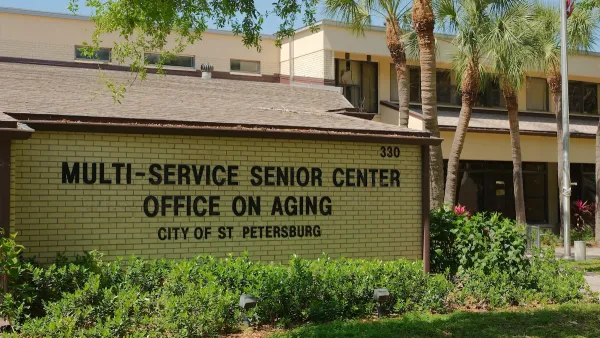
Florida Seniors Face Rising Homelessness Risk
High housing costs are pushing more seniors, many of them on a fixed income, into homelessness.
Local Governments Sue HUD Over Funding Cuts
A new lawsuit alleges that the Trump administration’s revised guidelines for housing and homelessness assistance funds will decimate key programs.

‘Minnesota Nice’ Isn’t so Nice When You Can’t Find a Place to Live
The Economic Development and Housing Challenge Program can help address the scourge of homelessness among Indigenous people.

Planetizen Federal Action Tracker
A weekly monitor of how Trump’s orders and actions are impacting planners and planning in America.

The state-sanctioned urbicide of Austin
People don’t kill cities. Freeways do.

US to reduce Colorado River water deliveries to Mexico
A new Colorado Treaty amendment reduces Mexico’s Colorado River water allocation by 250,000 acre feet.

Mamdani overhauls NYC's Vision Zero plan with 100 new policy goals
The overhaul aims to reduce traffic deaths and make streets safer for pedestrians, cyclists and drivers through lower speed limits, new safety infrastructure and more.

Amtrak not solely to blame for New Jersey commuter rail's unreliability, report finds
A new study from the Garden State Initiative found that NJ Transit’s budget grew 20% across a 4 year period, but reliability declined significantly over the same period.

EPA erases limits on planet-warming pollution from power plants
Under Monday’s plan, power plants would still have some limits on how much mercury, arsenic and other contaminants they can emit.

FREE Course: Walkable City 1: Why Walkability?
After describing his path towards focusing on walkability as the essence of good planning, Jeff Speck marches through his five principal reasons for making more walkable places.
Reinventing Malls: Planning Alchemy—Turning Gray Fields Into Gold
The course focuses on the opportunities and imperatives that shape reinvention of mall sites.

Eagle County Government
Harvard University Graduate School of Design
Nashville Planning Department
The Architects Foundation
University of Cincinnati Online
The Pocatello Development Authority
The Urban Renewal Agency of the City of Pocatello
Journal of the American Planning Association