Urban agriculture can provide green spaces, fresh food, and healthy activities, but urban gardeners and foragers face many obstacles.


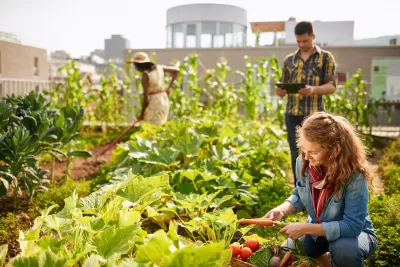
“The concept of food production in urban areas has gained visibility in recent years in tandem with discussions of food insecurity, climate resilience, and equitable access to green space, but the challenge of understanding and representing such a diverse range of stakeholders persists.” In a piece for The Architect’s Newspaper, Melody Stein describes the steps New York City gardeners want the city to take to support their efforts.
New York’s newly established Mayor’s Office of Urban Agriculture (MOUA) is tasked with developing a strategic plan for supporting urban agriculture, and local gardeners have some suggestions that include tax rebates for buildings with agriculture projects that would be passed on to farmers and encouraging food production on green roofs, already mandated in some cases by the city’s sustainability initiatives.
The city can also take steps to eliminate current roadblocks to urban agriculture. “Growing or foraging edible foods in NYC Parks & Recreation–managed public space is currently illegal. The Bronx River Foodway is a pilot program that operates in exception to this rule and has allowed public foraging since 2017 to great success.” Cities can also support gardeners by providing assistance with setting up sustainable irrigation systems.
FULL STORY: A new generation of community gardeners have big goals for cultivating the concrete jungle

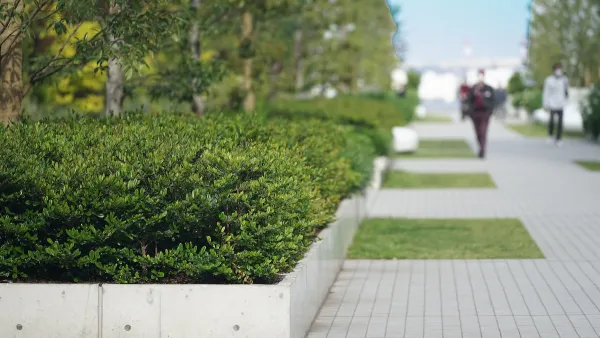
Grassroots Dutch Movement Replaces Pavement With Green Space
Neighbors engage in a practice known as “tegelwippen,” picking up paving stones and replacing them with permeable surfaces, often with the support of local governments.
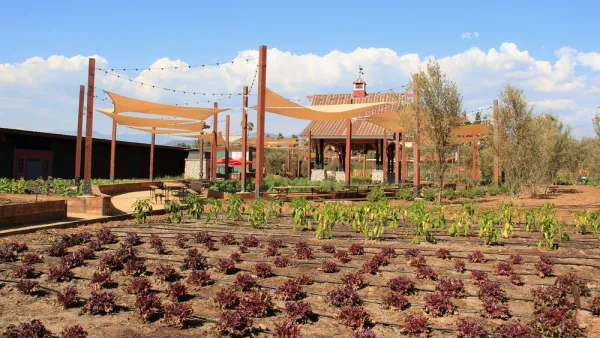
Urban Farming Program Struggles to Sprout
Los Angeles created a tax incentive to promote urban farms on the thousands of vacant lots around the city. So far, the incentive has been given out only four times.
Agrihoods Still Proving Popular
Agrihoods emerged in the 1990s as a master-planned alternative to the golf-centered communities of the past. Many of these developments are going strong, and gaining in popularity.

Planetizen Federal Action Tracker
A weekly monitor of how Trump’s orders and actions are impacting planners and planning in America.

The state-sanctioned urbicide of Austin
People don’t kill cities. Freeways do.

US to reduce Colorado River water deliveries to Mexico
A new Colorado Treaty amendment reduces Mexico’s Colorado River water allocation by 250,000 acre feet.

5 New England states march closer to 800 megawatt wind energy project
Securing federal approval for the project may be complicated under the Trump administration, which has historically been hostile towards domestic wind power.

Baltimore to break ground on $50 million Transit Priority Project
The project will bring faster bus trips, safer streets and better bike connections to Baltimore.

Airbnb launches $250 million 'last-dollar financing' housing accelerator, makes first investment in Austin
The company will put $6.4 million towards affordable housing development in Texas’ capital.

FREE Course: Walkable City 1: Why Walkability?
After describing his path towards focusing on walkability as the essence of good planning, Jeff Speck marches through his five principal reasons for making more walkable places.
Reinventing Malls: Planning Alchemy—Turning Gray Fields Into Gold
The course focuses on the opportunities and imperatives that shape reinvention of mall sites.

Eagle County Government
Harvard University Graduate School of Design
Nashville Planning Department
The Architects Foundation
University of Cincinnati Online
The Pocatello Development Authority
The Urban Renewal Agency of the City of Pocatello
Journal of the American Planning Association