In a majority of U.S. metro areas, suburban rent hikes are outpacing urban rent increases.


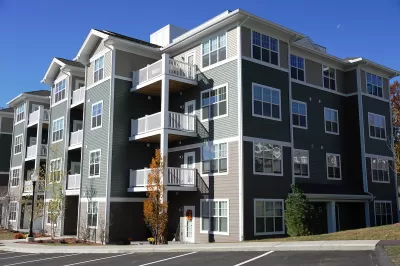
Suburban rents are growing faster than their urban counterparts, with a gap of as much as 21 percent in some cases. As Will Parker explains in The Wall Street Journal, “Rents in suburbs had climbed 26% through this past July since March 2020, 8 percentage points higher than the gain in urban cores, according to a report from rentals website Apartment List.”
The study found that “Suburban rent growth was greater than its urban counterpart in 28 of the 33 metro areas studied,” signaling a reversal of historic housing cost trends. In Portland, Oregon, suburban rents went up by 23 percent between 2020 and 2022 while rents in the city’s core only grew by 2 percent. The few exceptions to this pattern include New York City and Tampa, where urban core rent growth still outpaces suburban housing costs.
Parker adds, “Suburbs nationwide gained population last year, often at the expense of core counties in large metro areas, which collectively lost more than 800,000 movers, according to a Wall Street Journal analysis of U.S. census data.”
FULL STORY: Rising Rents Are Hitting American Suburbs Hardest

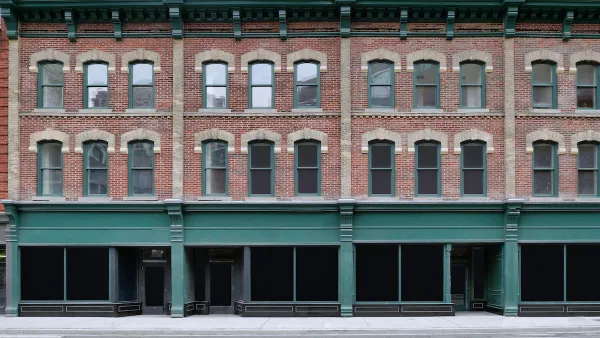
Commentary: Residential Vacancies Don’t Outweigh Need for New Housing
The myth that there are plenty of vacant housing units in U.S. cities comes from misconceptions about leasing timelines and developer incentives.
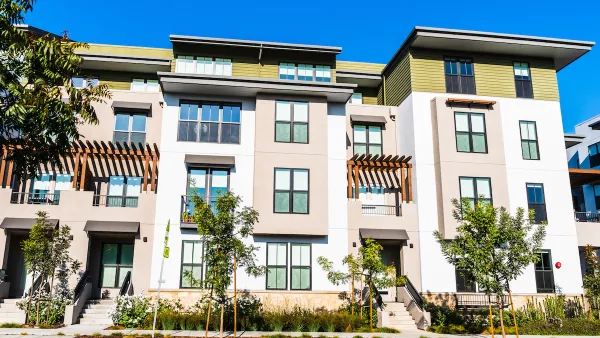
How Financing Restricts the Rental Housing Market
The way apartment buildings are financed has a major impact on supply and costs.
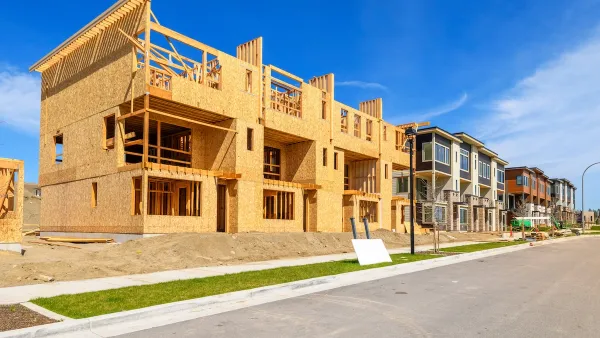
More Apartments Are Being Built in Less-Dense Areas
Rising housing costs in urban cores and a demand for rental housing is driving more multifamily development to exurbs and small metros.

Planetizen Federal Action Tracker
A weekly monitor of how Trump’s orders and actions are impacting planners and planning in America.

The state-sanctioned urbicide of Austin
People don’t kill cities. Freeways do.

US to reduce Colorado River water deliveries to Mexico
A new Colorado Treaty amendment reduces Mexico’s Colorado River water allocation by 250,000 acre feet.

5 New England states march closer to 800 megawatt wind energy project
Securing federal approval for the project may be complicated under the Trump administration, which has historically been hostile towards domestic wind power.

Baltimore to break ground on $50 million Transit Priority Project
The project will bring faster bus trips, safer streets and better bike connections to Baltimore.

Airbnb launches $250 million 'last-dollar financing' housing accelerator, makes first investment in Austin
The company will put $6.4 million towards affordable housing development in Texas’ capital.

FREE Course: Walkable City 1: Why Walkability?
After describing his path towards focusing on walkability as the essence of good planning, Jeff Speck marches through his five principal reasons for making more walkable places.
Reinventing Malls: Planning Alchemy—Turning Gray Fields Into Gold
The course focuses on the opportunities and imperatives that shape reinvention of mall sites.

Eagle County Government
Harvard University Graduate School of Design
Nashville Planning Department
The Architects Foundation
University of Cincinnati Online
The Pocatello Development Authority
The Urban Renewal Agency of the City of Pocatello
Journal of the American Planning Association