During this year’s international City Nature Challenge, tens of thousands of people across the world went outside to take photos, document, and identify animal and plant species in their communities.


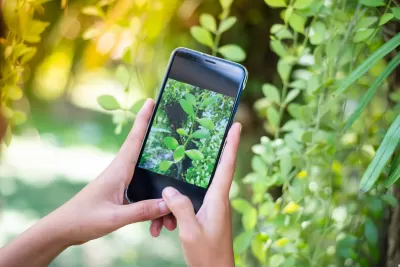
The City Nature Challenge is an international effort for people to find and document plants and wildlife in cities across the globe. It is a bioblitz-style competition where cities are in a friendly contest with each other to see who can make the most observations of nature, who can find the most species, and who can engage the most people. The first City Nature Challenge in 2016 was an eight-day competition between Los Angeles and San Francisco, engaging residents and visitors in documenting nature to better understand urban biodiversity.
As reported by Bella Isaacs-Thomas, over 66,000 participants worldwide contributed to a total of almost two million observations of plants, animals, fungi and any other living things between April 28 and May 1, 2023. Observers documented more than 57,000 species, including over 2,570 species that are rare, threatened, or endangered.
During the four-day challenge, many participants snapped photos on their smartphones and uploaded them to iNaturalist, an app designed to document and identify wildlife. The city of La Paz in Bolivia took the gold for most participants this year. Those observers also made both the highest number of observations and spotted the most species. Over 3,000 people in that city spotted 5,344 species and made more than 126,000 observations collectively.
FULL STORY: This global challenge invites people to document the wild side of their cities


Beavers and bobcats populate a 210-acre 'secret garden' in Las Vegas
The Clark County Wetlands Park is home to over 300 species of birds and 70 species of mammals.
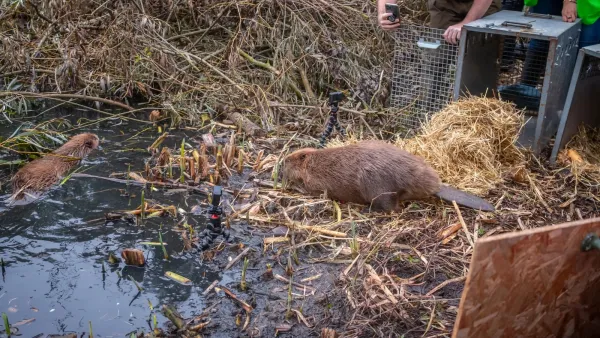
Beavers save London Tube station from flooding
A small group of beavers is increasing biodiversity and creating cost-free flood mitigation infrastructure.
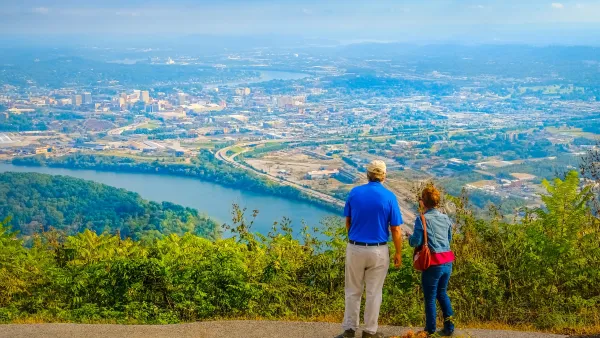
Chattanooga Earns North America’s First ‘National Park City’ Designation
The award recognizes cities that prioritize biodiversity and resident access to parks and green spaces.

The state-sanctioned urbicide of Austin
People don’t kill cities. Freeways do.

US to reduce Colorado River water deliveries to Mexico
A new Colorado Treaty amendment reduces Mexico’s Colorado River water allocation by 250,000 acre feet.

New Jersey’s second-largest city bans standalone data centers
Jersey City will continue to allow co-location facilities, such as those meant for research institutions that store their own data.

Amtrak not solely to blame for New Jersey commuter rail's unreliability, report finds
A new study from the Garden State Initiative found that NJ Transit’s budget grew 20% across a 4 year period, but reliability declined significantly over the same period.

EPA erases limits on planet-warming pollution from power plants
Under Monday’s plan, power plants would still have some limits on how much mercury, arsenic and other contaminants they can emit.

Phoenix announces new on-demand transit service, more frequent RAPID buses
Both new services will launch in October, and are part of Phoenix's Project Effective Access Solutions for Easing Congestion.

FREE Course: Walkable City 1: Why Walkability?
After describing his path towards focusing on walkability as the essence of good planning, Jeff Speck marches through his five principal reasons for making more walkable places.
Reinventing Malls: Planning Alchemy—Turning Gray Fields Into Gold
The course focuses on the opportunities and imperatives that shape reinvention of mall sites.

Eagle County Government
Harvard University Graduate School of Design
Nashville Planning Department
The Architects Foundation
University of Cincinnati Online
The Pocatello Development Authority
The Urban Renewal Agency of the City of Pocatello
Journal of the American Planning Association