An architecture critic disavows ‘gatekeeping’ in the field.



In an op-ed published in The Nation, architecture critic Kate Wagner issues a call to her peers to remember that “architecture is for everyone,” not just lofty-minded designers and critics. Moreover, all architecture is interesting in its own way.
I believe that all buildings are interesting simply because they make up the backdrop of everyday life, and in each building, from the most sacred to the most mundane, one can read and interpret the history of a given place and the values of its society, from potent religiosity to drab consumerism.
For Wagner, the “credentialism and gatekeeping” engaged in by many architecture critics and historians is “silly, and also self-defeating.” As Wagner puts it, “Many folks are bird watchers without degrees in biology.”
Wagner illustrates the difference between high-minded design and everyday reality. “An architect, who painstakingly finishes their facade with the idea that all will be unified and made whole from a long distance, is likely to be disappointed with someone growing geraniums in a railing flower box. But it is not a design failure if the building is used in this way—indeed, it is a success.” Because architecture is meant to be used, lived in, and adapted to the changing needs of those inhabiting it.
Architecture can be imposing, awe-inspiring, and innovative. But Wagner’s piece highlights the importance of remembering that it is also—almost always—ordinary, and necessarily so. “Every time you protest rising rents or living conditions, or even just inhabit the commons as a citizen, that’s participating in architecture. Every time you move, rent an apartment, renovate, or decorate, that’s participating in architecture.”
FULL STORY: Stop Gatekeeping Architecture

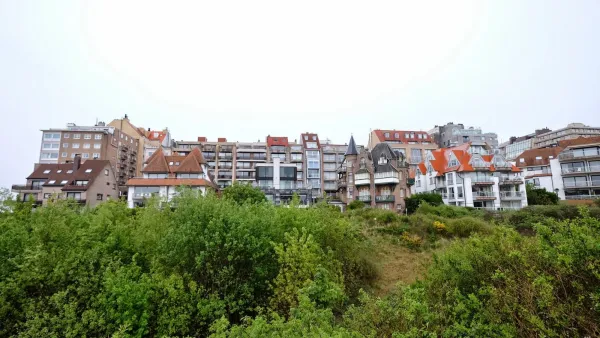
Belgian 'urban village' delivers social housing with style
A neighborhood 25 years in the making blends Flemish vernacular architecture with walkability and affordability.
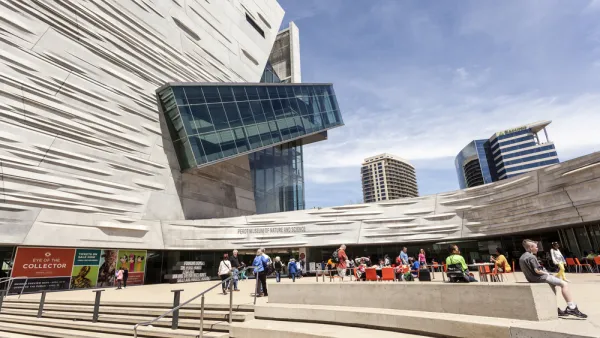
Critiquing an AI-Generated Architecture Critic
Artificial intelligence is being used to generate all kinds of content. Can it successfully replace architecture critics, or does understanding place require physical presence?

New Book Interrogates Landscape Architecture Through The Lens Of Black Spaces
A collection of essays provides an insightful look at how Black voices and landscapes have been suppressed and erased in American public space and discourse.

Planetizen Federal Action Tracker
A weekly monitor of how Trump’s orders and actions are impacting planners and planning in America.

The state-sanctioned urbicide of Austin
People don’t kill cities. Freeways do.

US to reduce Colorado River water deliveries to Mexico
A new Colorado Treaty amendment reduces Mexico’s Colorado River water allocation by 250,000 acre feet.

5 New England states march closer to 800 megawatt wind energy project
Securing federal approval for the project may be complicated under the Trump administration, which has historically been hostile towards domestic wind power.

Baltimore to break ground on $50 million Transit Priority Project
The project will bring faster bus trips, safer streets and better bike connections to Baltimore.

Airbnb launches $250 million 'last-dollar financing' housing accelerator, makes first investment in Austin
The company will put $6.4 million towards affordable housing development in Texas’ capital.

FREE Course: Walkable City 1: Why Walkability?
After describing his path towards focusing on walkability as the essence of good planning, Jeff Speck marches through his five principal reasons for making more walkable places.
Reinventing Malls: Planning Alchemy—Turning Gray Fields Into Gold
The course focuses on the opportunities and imperatives that shape reinvention of mall sites.

Eagle County Government
Harvard University Graduate School of Design
Nashville Planning Department
The Architects Foundation
University of Cincinnati Online
The Pocatello Development Authority
The Urban Renewal Agency of the City of Pocatello
Journal of the American Planning Association