The city plans to test automated technology that will issue citations for blocking or parking in designated bike or bus lanes.



Two new pilot programs designed to deter drivers from blocking bike and bus lanes in Chicago were approved by the City Council this week, reports Michael Brady in Smart Cities Dive. “The technology will automatically issue tickets for parking or standing violations in areas with posted signs, such as bike lanes and commercial loading zones, according to a city press release.”
The programs are part of the city’s effort to reduce traffic fatalities, which rose by more than 50 percent between 2019 and 2021. “By deterring drivers from illegally parking in bike lanes, bus-only lanes, bus stops, and crosswalks, we create better streets for all road users. We look forward to implementing the Smart Streets Pilots to evaluate how these initiatives can work best on a citywide scale,” said Chicago Department of Transportation Commissioner Gia Biagi.
The launch date of the pilot programs is unclear, but they will run until June 2025.
Read the full story: Chicago tests new parking enforcement tech, smart loading zones

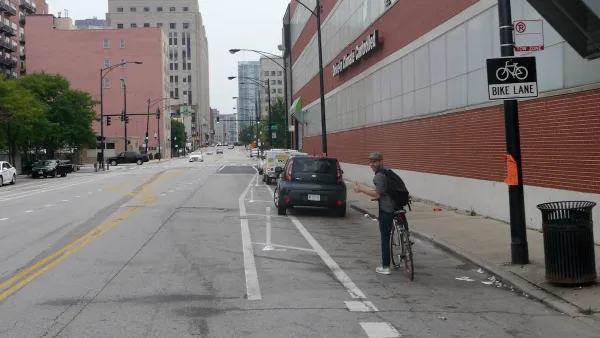
Chicago Pilot Would Keep Bike and Bus Lanes Clear — Without the Police
A proposal supported by many city officials and road safety advocates would shift right-of-way enforcement to ‘Rapid Response Aides’ to free up police resources and clear blocked lanes more quickly.
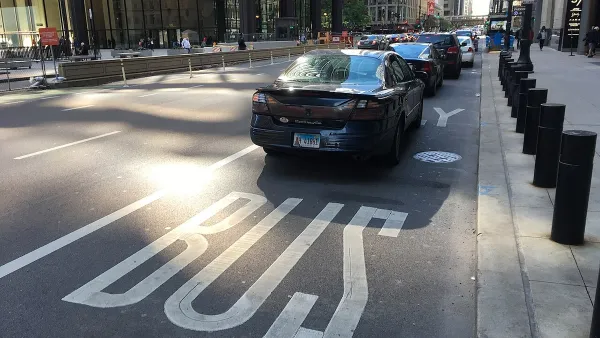
New Chicago Cameras Will Automatically Ticket Drivers Parked in Bus and Bike Lanes
The city is adding cameras to transit buses as part of a pilot program aimed at stopping drivers from blocking bus lanes.
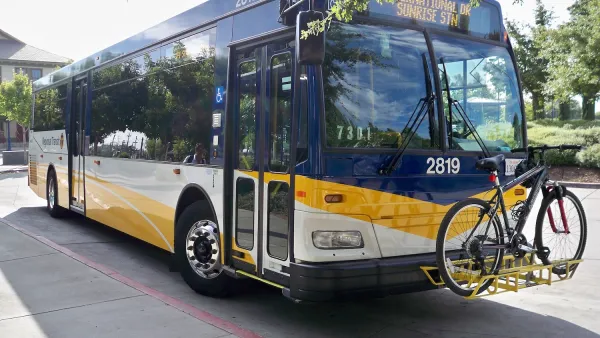
Sacramento Leads Nation With Bus-Mounted Bike Lane Enforcement Cameras
The city is the first to use its bus-mounted traffic enforcement system to cite drivers who park or drive in bike lanes.

Planetizen Federal Action Tracker
A weekly monitor of how Trump’s orders and actions are impacting planners and planning in America.

California plans to bury El Niño’s downpour
If the state plays its cards right, it may be able to store a billion acre-feet of El Niño’s water in aquifers.

Desperate measures: Advocates weigh draining Lake Powell to fill Colorado River
Draining the reservoir could reduce evaporation losses by a couple hundred thousand acre-feet.

NYC bus network redesign speeds up Queens buses
Rush routes have seen a 4.6% speed increase after the redesign.

California High-Speed Rail Authority picks trainset manufacturer
The California High-Speed Rail Authority aims to start servicing passengers by 2033.

LA may place emergency ban on karaoke room permits
If Councilwoman Heather Hutt’s proposal passes, the moratorium would last between 45 days and one year.

FREE Course: Walkable City 1: Why Walkability?
After describing his path towards focusing on walkability as the essence of good planning, Jeff Speck marches through his five principal reasons for making more walkable places.
Reinventing Malls: Planning Alchemy—Turning Gray Fields Into Gold
The course focuses on the opportunities and imperatives that shape reinvention of mall sites.

City of Rosemead
Rutgers University, Edward J. Bloustein School of Planning and Public Policy
One Hundred Miles
Hunter College, City University of New York (CUNY)
The Architects Foundation
University of Cincinnati Online
City of Cambridge
Montrose County
The Pocatello Development Authority