Alaska could follow in the footsteps of California and Europe by leveraging the state’s natural resources to create a carbon offset and sequestration program, mitigating the environmental effects of its industries and raising revenue for the state.


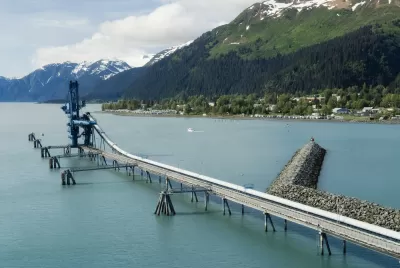
Alaska Gov. Mike Dunleavy introduced a package of bills at the end of January to that, if passed, would launch a carbon capture, utilization, and storage program (CCUS) .
According to a press release from the Governor’s Office, the so-called “Carbon Management and Monetization Bill Package” will also have the benefit of raising a vaguely estimated “billions” of dollars for the state.
The first bill, SB 49, would create a regulatory framework for the storage of carbon dioxide, according to an article by Sean Maguire and Alex DeMarban for the Anchorage Daily News. The second, SB 48, would “create a framework for allowing carbon offsets using state land and then selling carbon offset credits,” according to the article.
The article also provides background on the idea by citing several reports that have explored the potential of the state’s wild areas to provide carbon offset and sequestration.
Read the full story: Gov. Dunleavy says his carbon storage bills could bring Alaska ‘billions,’ but many unknowns remain

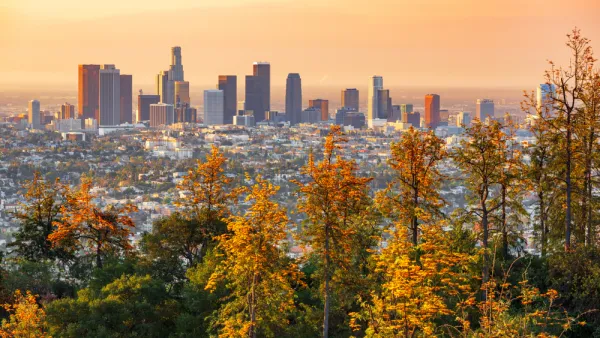
LA’s Trees Absorb More Carbon Than Expected, But Can’t Do It Alone
A USC study finds that Los Angeles’ urban trees absorb more carbon than expected, but while they provide crucial environmental benefits, they cannot replace the urgent need for systemic emissions reductions.

Carbon Capture Plan Draws Conservationist Concerns
The Forest Service says storing carbon dioxide under national forest lands is essential to reducing greenhouse gas emissions and meeting climate goals.
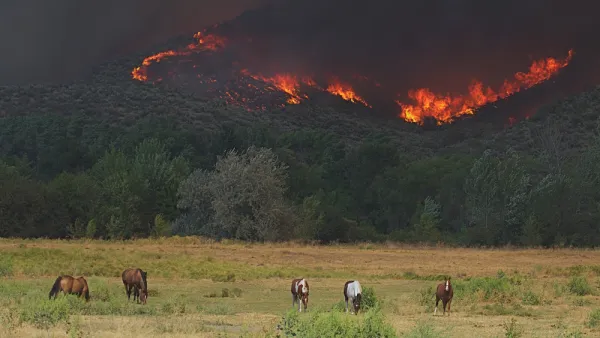
Carbon-Offset Forests Are Burning Up in Wildfires
Wildfires are consuming forests designated for carbon storage to fight climate change, highlighting the fragility of these carbon offset schemes.

Planetizen Federal Action Tracker
A weekly monitor of how Trump’s orders and actions are impacting planners and planning in America.

Amtrak, CN end decades-long dispute with eight-year agreement
The new operating agreement establishes an updated framework for the companies to work together, including processes to resolve disputes.

Judges permit Denver to divert 77,000 acre feet from the Colorado River for reservoir expansion
Overuse and climate change have caused the Colorado River’s water levels to plummet.

NYC DOT wants faster, more permanent street upgrades
The city is examining ways to build more concrete infrastructure without getting entangled in 'decades-long' projects.

'Something we’ve never seen before:' rising utility rates could strain city finances nationwide
Data centers, climate change and other factors have caused utility rates in the United States to increase by 38% since 2020.

Trump to overrule local leaders, lease millions of acres of America’s Pacific Island territories’ seafloors to mining companies
International law says that the Indigenous people of America’s territories have a right to prior and informed consent regarding projects that impact their countries.

FREE Course: Walkable City 1: Why Walkability?
After describing his path towards focusing on walkability as the essence of good planning, Jeff Speck marches through his five principal reasons for making more walkable places.
Reinventing Malls: Planning Alchemy—Turning Gray Fields Into Gold
The course focuses on the opportunities and imperatives that shape reinvention of mall sites.

Harvard University Graduate School of Design
KFH Group Inc.
Greater Baltimore Committee
The Architects Foundation
University of Cincinnati Online
The Pocatello Development Authority
The Urban Renewal Agency of the City of Pocatello