In a reversal from Trump-era policy, the Biden administration wants to reinstate protections that prevent the contamination of streams and waterways.


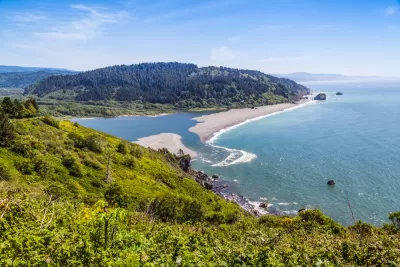
After President Trump rolled back protections for streams and wetlands, "the Biden administration is wading into a decades-long battle over how far federal officials can go to stop contaminants from entering small streams and other wetlands" by calling for "a new set of protections for waterways that provide habitats for wildlife and safe drinking water for millions of Americans," reports Dino Grandoni for the Washington Post.
"At the center of the decades-long legal storm over water protections is the Clean Water Act, which bans pollution in 'waters of the United States' without a permit." The debate over "what constitutes such water" continues as the composition of the Supreme Court changes. "In 2015, the Obama administration expanded federal authority to stop or curtail development that could harm a variety of wetlands, streams and ditches that feed into larger bodies of water protected under the Clean Water Act." After President Trump took office, those controls were rolled back.
In what Grandoni calls a "staggering loss," "more than half of the 221 million acres of wetlands in what would become the contiguous United States have been drained, often for farming" since the 1780s. "With the announcement Wednesday, the Biden administration is kicking off a lengthy rulemaking process. It must first strike down the Trump rule before establishing its own definition for which waterways get federal protection."
FULL STORY: Biden pushes protection for more streams and wetlands, targeting a major Trump rollback

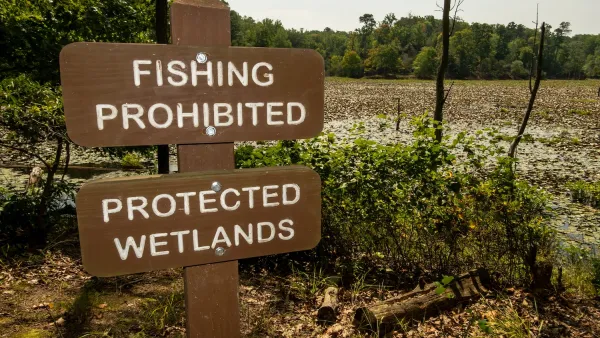
Proposed EPA Rule Change Would Exclude Millions of Acres of Wetlands and Waterways From Federal Protection
A proposed change to the Waters of the United States Rule would narrow the definition of protected waterways.
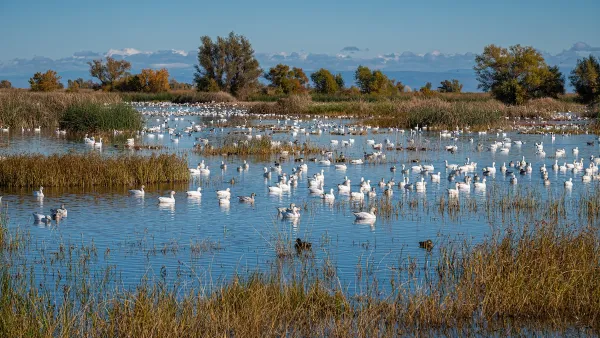
California Lawmakers Move to Protect Waterways
Anticipating that the Trump EPA will reinstate a 2017 policy that excluded seasonal wetlands and waterways from environmental protections.
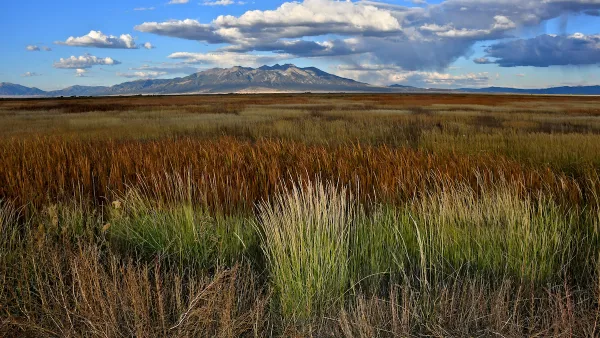
Colorado Legislature Passes Enhanced Wetlands Protections
The bill would reinstate protections for wetlands and seasonal streams eliminated by a 2023 Supreme Court ruling.

The state-sanctioned urbicide of Austin
People don’t kill cities. Freeways do.

US to reduce Colorado River water deliveries to Mexico
A new Colorado Treaty amendment reduces Mexico’s Colorado River water allocation by 250,000 acre feet.

New Jersey’s second-largest city bans standalone data centers
Jersey City will continue to allow co-location facilities, such as those meant for research institutions that store their own data.

Amtrak not solely to blame for New Jersey commuter rail's unreliability, report finds
A new study from the Garden State Initiative found that NJ Transit’s budget grew 20% across a 4 year period, but reliability declined significantly over the same period.

EPA erases limits on planet-warming pollution from power plants
Under Monday’s plan, power plants would still have some limits on how much mercury, arsenic and other contaminants they can emit.

Phoenix announces new on-demand transit service, more frequent RAPID buses
Both new services will launch in October, and are part of Phoenix's Project Effective Access Solutions for Easing Congestion.

FREE Course: Walkable City 1: Why Walkability?
After describing his path towards focusing on walkability as the essence of good planning, Jeff Speck marches through his five principal reasons for making more walkable places.
Reinventing Malls: Planning Alchemy—Turning Gray Fields Into Gold
The course focuses on the opportunities and imperatives that shape reinvention of mall sites.

Eagle County Government
Harvard University Graduate School of Design
Nashville Planning Department
The Architects Foundation
University of Cincinnati Online
The Pocatello Development Authority
The Urban Renewal Agency of the City of Pocatello
Journal of the American Planning Association