Regional parks like Whittier Narrows Recreation Area in Southern California offers something for everyone and are more important than ever in the midst of a pandemic.


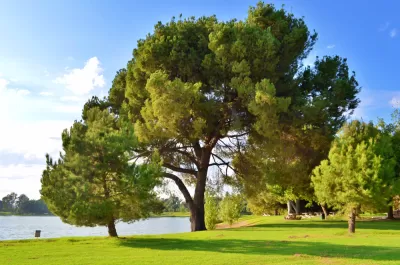
In the midst of a pandemic, many of us have come to realize the importance of parks and our need for them. Not only do we need local parks in our immediate neighborhoods, we must also have larger, regional parks and open spaces. In this opinion piece, Joe Mathews tells us about the 1,500-acre Whittier Narrows Recreation Area located ten miles east of downtown Los Angeles, which offers a wide variety of recreational amenities. In his words, "Whittier Narrows is for everybody, all the time. You don’t have to make an appointment or wait in long lines to use it. You can get inoculated with whatever recreational medicine you prefer, from pedal-boating to BMX biking, fishing to frisbee golf."
Whittier Narrows Recreation Area is one of 17 regional recreation parks identified in the 2016 Los Angeles Countywide Parks Needs Assessment. Regional recreation parks are defined as parks with an area of over 100 acres and contain active amenities such as athletic courts and fields, playgrounds, and swimming pools. Regional recreation parks draw users from an area much larger than a single neighborhood or community due to their large size and the types of recreation they offer. These parks are destinations for a regional population, drawing people from as far as 25 or more miles away. Residents living near a regional recreation park may use the park for their daily recreation needs, while park users from farther away may visit the park to meet more specialized recreation needs. Because of their size, use levels, and variety of amenities, maintenance and operation demands at these parks can differ significantly from those at local parks.
Read the full story: Joe Mathews: Space for Southern Californians to do their thing, whatever that may be
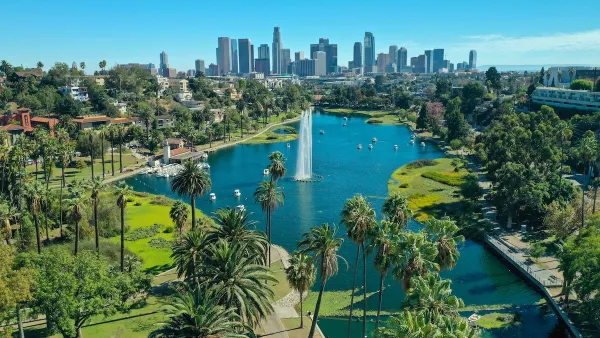
A Historic Investment in LA County’s Parks and Open Spaces
Los Angeles County has launched its largest-ever competitive grant program, investing $58 million to expand park access, enhance climate resilience, and support community-driven projects in the areas that need them most.
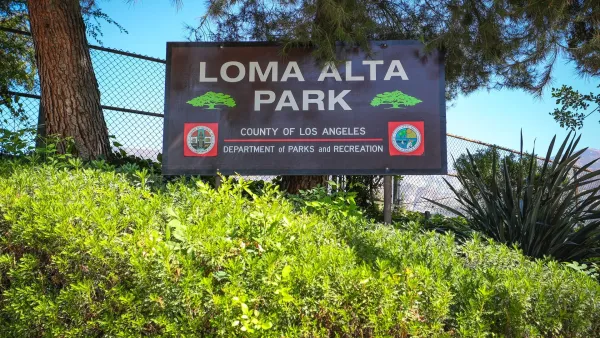
A Park Reborn: Resilience and Renewal in Fire-Stricken Altadena
Rebuilt in just two months after the devastating Eaton Fire, Loma Alta Park now stands as a symbol of community resilience and renewal, even as some residents hope recovery efforts will continue to support housing stability and long-term equity.
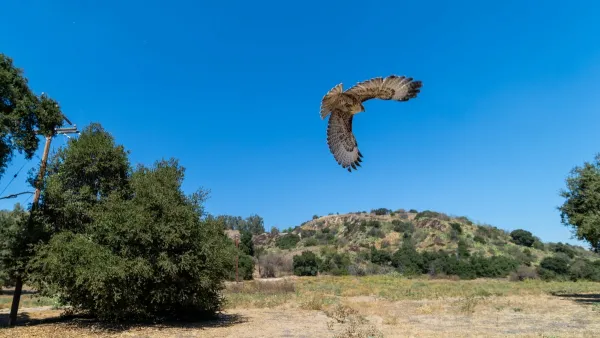
A Greener LA County: 623 Acres of New Parkland for Communities
Los Angeles County is investing $17 million to create 623 acres of new parks and open spaces, expanding access to nature, advancing equity, and enhancing community health and well-being.

Planetizen Federal Action Tracker
A weekly monitor of how Trump’s orders and actions are impacting planners and planning in America.

Eastern Nebraska is running out of electricity
Data centers and electrification are straining eastern Nebraska’s grid, throttling economic development.

Move over, LA: St. Louis gears up for Olympics, invests millions in downtown redevelopment
The Missouri city will host the 2028 Olympic soccer group stage and knockout matches.

Dallas releases zoning code overhaul to officials
The drafted overhaul is over 400 pages long.

NYC renovations for dangerous, ‘mercilessly crammed’ street delayed until 2027
Construction was supposed to begin this fall.

San Diego’s Midway Rising project gets greenlight from city council
The project looks to become the largest affordable housing development in California's history.

FREE Course: Walkable City 1: Why Walkability?
After describing his path towards focusing on walkability as the essence of good planning, Jeff Speck marches through his five principal reasons for making more walkable places.
Reinventing Malls: Planning Alchemy—Turning Gray Fields Into Gold
The course focuses on the opportunities and imperatives that shape reinvention of mall sites.

City of Rosemead
Rutgers University, Edward J. Bloustein School of Planning and Public Policy
One Hundred Miles
University of Michigan School for Environment and Sustainability (SEAS)
Hunter College, City University of New York (CUNY)
The Architects Foundation
City of Cambridge
The Pocatello Development Authority
The Urban Renewal Agency of the City of Pocatello