Public spaces have become more important than ever. Here are five case studies of innovative and safely designed programming that engages people of all ages and backgrounds.



In the midst of a pandemic, outdoor public spaces have emerged as much needed places for respite, exercise, and play. But with COVID-19 and associated public health orders, the use of these spaces has to be regulated, modified, and adapted to ensure public health and safety.
This Reimagining the Civic Commons article offers five stories showcasing innovative and safely designed programming that engages people of all ages and backgrounds:
- New ways to explore Philadelphia’s Fairmount Park
- Parks as educational partners in San José
- Detroit meets local needs
- Streets for kids in Philadelphia
- A popular program transformed for physical distancing in Los Angeles
These case studies show how public agencies and organizations across the country addressed community needs by being creative, proactive, and flexible. They show that even a pandemic cannot stop people from having fun, exercising, and connecting safely in outdoor public spaces like parks, streets, gardens, and sidewalks. Please read the source article to learn more and be inspired.
FULL STORY: Public Space Programming Pivots

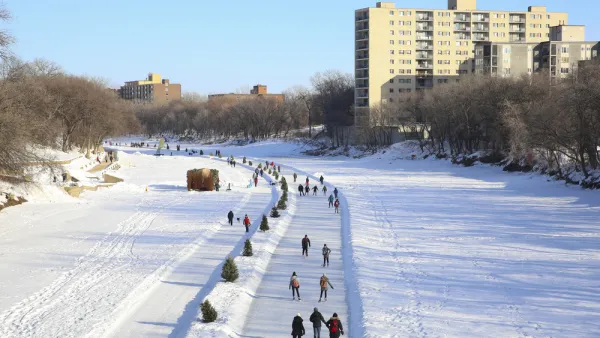
Serpentine Maze: Pop-Up Parks in the Pandemic
If the combined effects of winter's cold and the pandemic has you bummed, check out this community-building exercise in the frozen North.
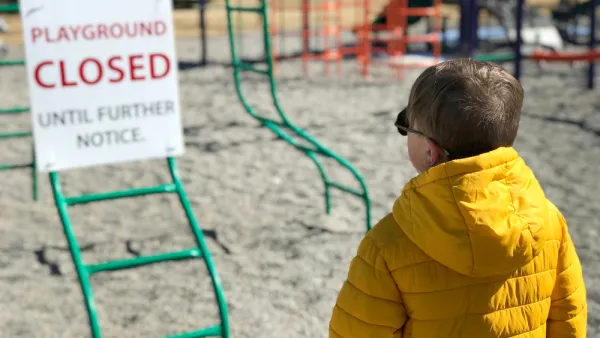
Why Playgrounds Need to Stay Open
California has reversed its decision to close playgrounds as part of the state's stay-at-home order after some legislators and parents complained and argued that children need outdoor play for their health and well-being.
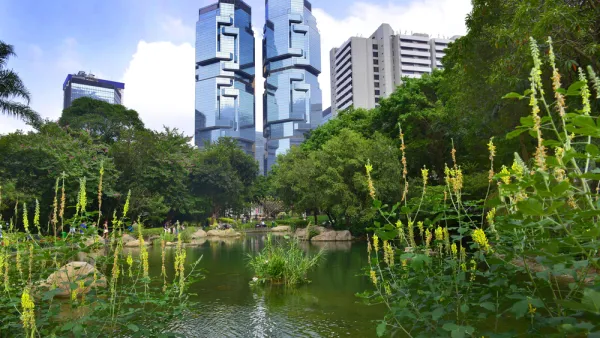
Pandemic Reveals the Importance of Open Space to Health and Well-Being
Hong Kong provides a lesson in the importance of open space for the health and well-being of residents, especially during the isolation and distancing of a pandemic.

Planetizen Federal Action Tracker
A weekly monitor of how Trump’s orders and actions are impacting planners and planning in America.

The state-sanctioned urbicide of Austin
People don’t kill cities. Freeways do.

US to reduce Colorado River water deliveries to Mexico
A new Colorado Treaty amendment reduces Mexico’s Colorado River water allocation by 250,000 acre feet.

5 New England states march closer to 800 megawatt wind energy project
Securing federal approval for the project may be complicated under the Trump administration, which has historically been hostile towards domestic wind power.

Baltimore to break ground on $50 million Transit Priority Project
The project will bring faster bus trips, safer streets and better bike connections to Baltimore.

Airbnb launches $250 million 'last-dollar financing' housing accelerator, makes first investment in Austin
The company will put $6.4 million towards affordable housing development in Texas’ capital.

FREE Course: Walkable City 1: Why Walkability?
After describing his path towards focusing on walkability as the essence of good planning, Jeff Speck marches through his five principal reasons for making more walkable places.
Reinventing Malls: Planning Alchemy—Turning Gray Fields Into Gold
The course focuses on the opportunities and imperatives that shape reinvention of mall sites.

Eagle County Government
Harvard University Graduate School of Design
Nashville Planning Department
The Architects Foundation
University of Cincinnati Online
The Pocatello Development Authority
The Urban Renewal Agency of the City of Pocatello
Journal of the American Planning Association