A recession is coming, though we don't know how big it will be or how long it will last. Compared to the Great Recession, the housing market could potentially help, rather than hurt, economic recovery, according to the analysis shared here.


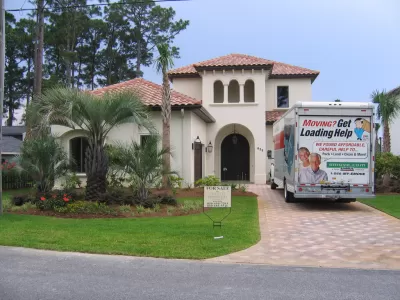
"Although it’s too soon to say how far the economy will fall and when the slide will end, the housing industry may be poised to help lead the recovery, when it occurs, unlike it was after the Great Recession of the late 2000s," writes Daniel McCue.
Interest rates allow the housing market to lead the country out of, according to the article, as has been the case in past downturns.
Simply put, this is because recessions lead to a decline in interest rates that lowers borrowing costs for both homebuyers and builders, which makes homebuying more attractive and spurs homebuilding and the many related durable consumer goods industries that drive GDP growth. The strong connection has been documented by economists such as Edward Leamer, whose 2007 working paper goes so far as to carry the title, “Housing Is the Business Cycle.”
After detailing the methodology of studies that quantify the connection between the housing market and economic recovery, McCue also documents the differences between the current economic downturn of the coronavirus and the circumstances of the Great Recession. According to McCue, "one key difference between the Great Recession and today is the lack of a substantial overhang of distressed and foreclosed properties, which after the last recession needed to be absorbed before housing construction could be a driver of recovery."
McCue also notes that the suspension of housing construction projects, as mandated in many parts of the country during the worst of the coronavirus outbreak, will contribute to housing shortages in an already tight housing market—in another fundamental difference from the previous recession.
While McCue focuses on the redemptive potential of a tight housing market, others, like a team of researchers at the Urban Institute, have expressed concern that the tight housing market will only exacerbate the pre-existing inequalities in both the housing market and the larger economy.
Read the full story: HOUSING COULD HELP LEAD THE POST-COVID ECONOMIC RECOVERY
'Record-Shattering' Decline in Housing Inventory
New data reveals how far the U.S. housing market has stayed from anything resembling normal.
The Housing Market During COVID-19: Supply Dips, Prices Rise
While fewer houses are being bought and sold in the first months of the pandemic, prices are on the rise as buyers find less supply available on the market.
Fannie Mae Economists Predict Slow Housing Market in 2025
A December report forecasts a continued “lock-in effect” due to high mortgage rates and a low production of multifamily housing.

Planetizen Federal Action Tracker
A weekly monitor of how Trump’s orders and actions are impacting planners and planning in America.

California plans to bury El Niño’s downpour
If the state plays its cards right, it may be able to store a billion acre-feet of El Niño’s water in aquifers.

Desperate measures: Advocates weigh draining Lake Powell to fill Colorado River
Draining the reservoir could reduce evaporation losses by a couple hundred thousand acre-feet.

In Texas, data centers are swallowing promised parkland
Residents who moved to Taylor, Texas for a rural community now have to contend with three data centers in their backyard.

How a Chicago-sized wind farm beat the odds and powered on
The project spanned five presidential administrations and a standoff with a U.S. military base.

MTA gives itself 30 days to transform pit into basketball court
The site has been under construction since 2022; the city originally estimated it would finish the court in 2024.

FREE Course: Walkable City 1: Why Walkability?
After describing his path towards focusing on walkability as the essence of good planning, Jeff Speck marches through his five principal reasons for making more walkable places.
Reinventing Malls: Planning Alchemy—Turning Gray Fields Into Gold
The course focuses on the opportunities and imperatives that shape reinvention of mall sites.

City of Rosemead
Rutgers University, Edward J. Bloustein School of Planning and Public Policy
One Hundred Miles
Hunter College, City University of New York (CUNY)
The Architects Foundation
University of Cincinnati Online
City of Cambridge
Montrose County
The Pocatello Development Authority