Changes are coming, but they don't have to be anti-urban, and they could mean a more resilient world for cities and communities of all shapes and sizes.


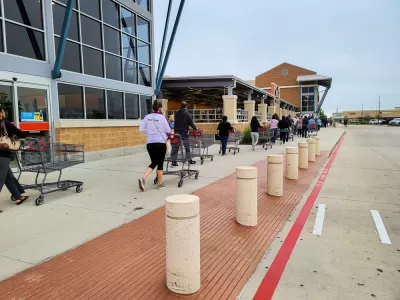
Bill Fulton writes a two-part series on the future of cities after the pandemic, premising the entire exercise on two points: that cities have always existed, and that cities have also evolved. Despite the anti-urban messages gaining a larger audience as the coronavirus pandemic takes an especially heavy toll on New York City, Fulton suggests that cities are cleaner and safer than they were a century ago, and that they have thrived for a long time because they are adaptable.
Fulton takes those lessons to mean that cities will surely change as a result of the coronavirus: "The world after COVID-19 will be different — as it is after any disaster. And COVID-19 will accelerate changes that have been brewing in cities for a long time. The result will be a new kind of city, different than what we have seen before. A city that should be able to withstand shocks like COVID-19 in a sturdier fashion."
With more details on each of these points, Part 1 includes a list of predicted changes in cities and the world after the pandemic is over:
- A renewed focus on public health
- More sophisticated urban design
- Fewer retail stores and a different kind of street life
While Part 1 of the series digs into the public life and design of cities, Part 2 focuses more on the private side of life in cities:
- A changing office work environment
- More flexible public transit
- A renewed appreciation for just plain old walking
Fulton states a summarization of these predictions thusly: "Fewer stores but more bars and restaurants — and maybe a more bustling street life. More remote work and therefore more activity in neighborhoods. A more carefully constructed, safer public realm. More flexibility in getting around. All of which will make cities — and their suburbs — better places to live."
FULL STORY: Here’s what our cities will look like after the coronavirus pandemic

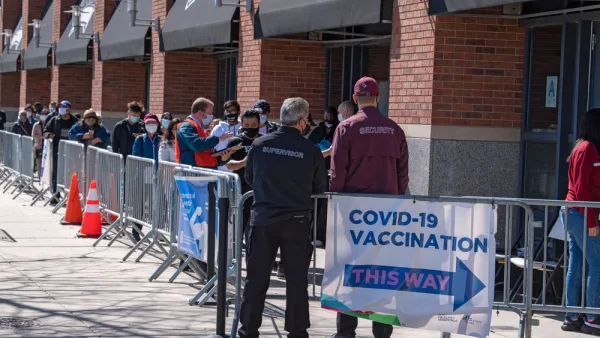
Light at the End of the Tunnel Reveals the Work to Come
The latest edition of an ongoing compendia of articles trying to make sense of the deep uncertainties of the pandemic—and what it all means for the future of cities.
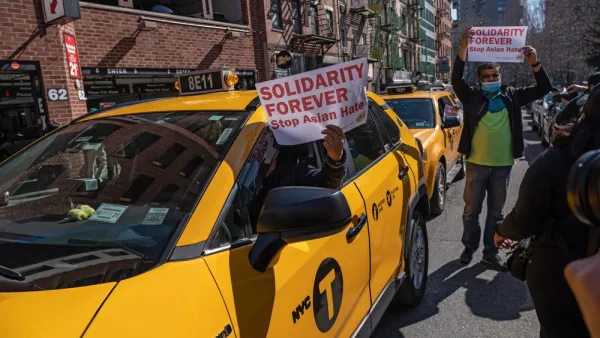
'Never Let a Good Crisis Go to Waste' and Planning in the Pandemic
The latest in a series of compendia collecting news and commentary focusing on the complexities of the COVID-19 pandemic's effect on communities.
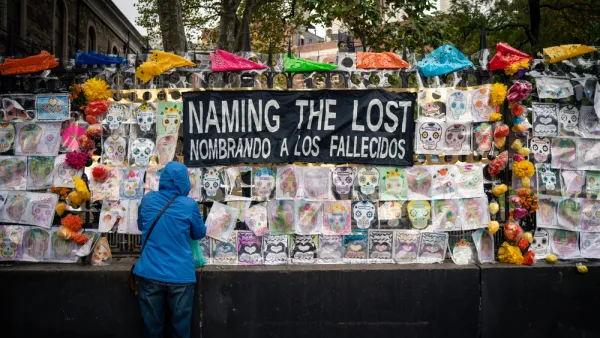
Haves and Have Nots: Planning and the Deep Divides of the Pandemic
The latest in a series of compendia gathering news and analysis about the effects of the COVID-19 on the built and natural environments—now and long into the future.

Planetizen Federal Action Tracker
A weekly monitor of how Trump’s orders and actions are impacting planners and planning in America.

The state-sanctioned urbicide of Austin
People don’t kill cities. Freeways do.

US to reduce Colorado River water deliveries to Mexico
A new Colorado Treaty amendment reduces Mexico’s Colorado River water allocation by 250,000 acre feet.

Colorado’s Largest Data Center Could Rise Next to Homes — Without a Public Hearing
The proposed campus would consume 11 times the power of Denver International Airport; as it has across the country, opposition mounts.

5 New England states march closer to 800 megawatt wind energy project
Securing federal approval for the project may be complicated under the Trump administration, which has historically been hostile towards domestic wind power.

Baltimore to break ground on $50 million Transit Priority Project
The project will bring faster bus trips, safer streets and better bike connections to Baltimore.

FREE Course: Walkable City 1: Why Walkability?
After describing his path towards focusing on walkability as the essence of good planning, Jeff Speck marches through his five principal reasons for making more walkable places.
Reinventing Malls: Planning Alchemy—Turning Gray Fields Into Gold
The course focuses on the opportunities and imperatives that shape reinvention of mall sites.

Eagle County Government
Harvard University Graduate School of Design
Nashville Planning Department
The Architects Foundation
University of Cincinnati Online
The Pocatello Development Authority
The Urban Renewal Agency of the City of Pocatello
Journal of the American Planning Association