Many homes in Philadelphia are in need of repairs, and low-income renters are most affected by substandard housing.


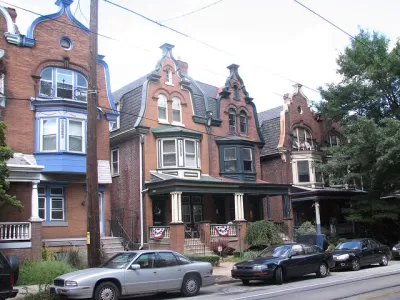
A new study finds that 41 percent of Philadelphia renter households need repairs. The project, a collaboration between PolicyMap and the Federal Reserve Bank of Philadelphia, finds that the cost to repair all occupied units in the metropolitan area is $2.7 billion and for rental units only is $900 million.
Lack of access to quality housing disproportionately affects the city’s most vulnerable residents, say Eileen Divringi and Eliza Wallace. "The poorest households were the most exposed to substandard conditions: Over 55% of the region’s households with incomes below the federal poverty line lived in units in some level of disrepair."
Understanding the reasons for this underinvestment—whether large, corporate landlords are trying to maximize profit or mom-and-pop landlords lack the resources to make repairs, for example—is important, say Divringi and Wallace.
In addition, they point out that considering the consequences of particular policy strategies is essential to ensuring that Philadelphia residents most in need of safe, affordable housing are not displaced. "In what situations would improving the rental housing stock through stepped-up code enforcement destabilize existing tenants and cause an increase in rents? In what contexts would financially assisting cash-strapped landlords with repairs accelerate the up-marketing of previously low-cost units?"
FULL STORY: Study: 41% of Philly area renters live in houses that need repair

Philadelphia 'Diversion Program' Prevents Evictions Through Mediation
A program that provides mediation between landlords and tenants has helped a majority of applicants avoid eviction, signaling a promising avenue for renter assistance as landlords seek to recoup COVID-era losses.
The Pandemic Effect: Landlord Edition
A new survey highlights the impact of the COVID-19 crisis on small landlords, who provide much of the nation's low-cost rental housing.
One Key, Underappreciated Affordable Housing Strategy: Repairing Existing Homes
The city of Philadelphia offers a case study for the challenges and potential benefits of home repair programs.

Planetizen Federal Action Tracker
A weekly monitor of how Trump’s orders and actions are impacting planners and planning in America.

The state-sanctioned urbicide of Austin
People don’t kill cities. Freeways do.

US to reduce Colorado River water deliveries to Mexico
A new Colorado Treaty amendment reduces Mexico’s Colorado River water allocation by 250,000 acre feet.

5 New England states march closer to 800 megawatt wind energy project
Securing federal approval for the project may be complicated under the Trump administration, which has historically been hostile towards domestic wind power.

Baltimore to break ground on $50 million Transit Priority Project
The project will bring faster bus trips, safer streets and better bike connections to Baltimore.

Airbnb launches $250 million 'last-dollar financing' housing accelerator, makes first investment in Austin
The company will put $6.4 million towards affordable housing development in Texas’ capital.

FREE Course: Walkable City 1: Why Walkability?
After describing his path towards focusing on walkability as the essence of good planning, Jeff Speck marches through his five principal reasons for making more walkable places.
Reinventing Malls: Planning Alchemy—Turning Gray Fields Into Gold
The course focuses on the opportunities and imperatives that shape reinvention of mall sites.

Eagle County Government
Harvard University Graduate School of Design
Nashville Planning Department
The Architects Foundation
University of Cincinnati Online
The Pocatello Development Authority
The Urban Renewal Agency of the City of Pocatello
Journal of the American Planning Association