The planned National Public Housing Museum, expected to open in 2021, will draw attention to a highly contested subject and connect to the relevance provided by contemporary anxieties about housing.



Zach Mortice reports on the organizational principles behind the National Public Housing Museum, expected to open in 2021 on the Near West Side of Chicago.
Mortice's sources for insight into the creation and expected direction for the museum include Crystal Palmer, a former public housing resident and vice chair of the museum's board, and Lisa Lee, the museum’s executive director.
The museum, which is expected to be unabashedly activist, will be located inside the last remaining building of the Jane Addams Homes, built in the 1930s.
"It took 10 years of administrative wrangling to get the building from the Chicago Housing Authority (CHA), and the museum hopes to open in 2021,"according to Mortice. "Since 2010, however, it has been mounting exhibitions at a variety of other venues."
A lot more about the design of the museum, and its expected exhibitions, can be found in the source article.
FULL STORY: The National Public Housing Museum Eyes a 2021 Opening

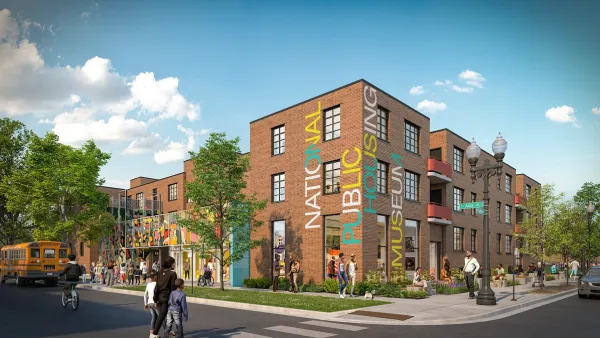
Museum of Public Housing Opens in Chicago
The museum highlights the history of public housing in the United States using displays intimately woven with family artifacts.
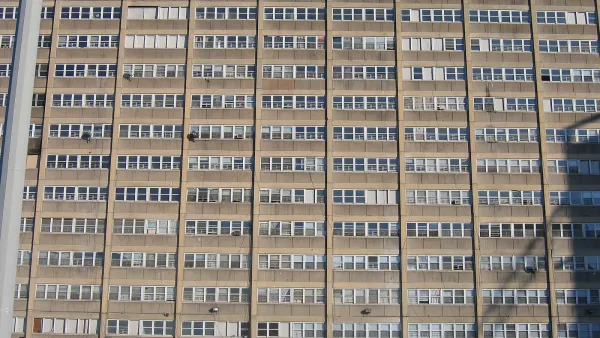
Candyman's Real Horror: American Public Housing Policy
The new film, set in one of America's most notorious public housing projects, highlights the failure of affordable housing policy and its impact on Black communities.
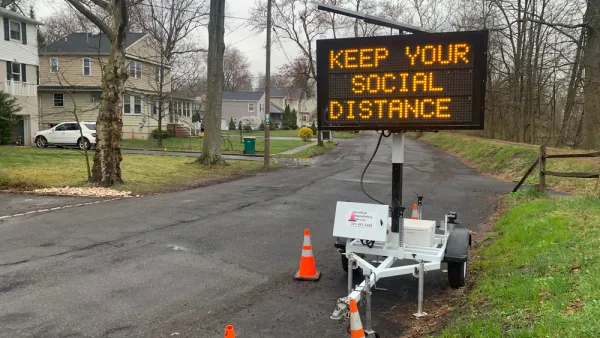
Left-NIMBYism and COVID-19
The events of the past year shows that the law of supply and demand applies to urban housing, and that gentrification can, in fact, be subdued.

Planetizen Federal Action Tracker
A weekly monitor of how Trump’s orders and actions are impacting planners and planning in America.

The state-sanctioned urbicide of Austin
People don’t kill cities. Freeways do.

US to reduce Colorado River water deliveries to Mexico
A new Colorado Treaty amendment reduces Mexico’s Colorado River water allocation by 250,000 acre feet.

Mamdani overhauls NYC's Vision Zero plan with 100 new policy goals
The overhaul aims to reduce traffic deaths and make streets safer for pedestrians, cyclists and drivers through lower speed limits, new safety infrastructure and more.

Amtrak not solely to blame for New Jersey commuter rail's unreliability, report finds
A new study from the Garden State Initiative found that NJ Transit’s budget grew 20% across a 4 year period, but reliability declined significantly over the same period.

EPA erases limits on planet-warming pollution from power plants
Under Monday’s plan, power plants would still have some limits on how much mercury, arsenic and other contaminants they can emit.

FREE Course: Walkable City 1: Why Walkability?
After describing his path towards focusing on walkability as the essence of good planning, Jeff Speck marches through his five principal reasons for making more walkable places.
Reinventing Malls: Planning Alchemy—Turning Gray Fields Into Gold
The course focuses on the opportunities and imperatives that shape reinvention of mall sites.

Eagle County Government
Harvard University Graduate School of Design
Nashville Planning Department
The Architects Foundation
University of Cincinnati Online
The Pocatello Development Authority
The Urban Renewal Agency of the City of Pocatello
Journal of the American Planning Association