The collective of micromobility and shared mobility operators is tasked with developing an integrated system that would better serve the diverse needs of travelers.



Laura Bliss reports on the Pittsburgh Mobility Collective, a consortium of mobility service providers that is working to provide multiple services through one platform. Participants include Spin, Zipcar, Ford Mobility, Waze, Swiftmile, and the Transit app.
Pittsburgh’s transportation department had issued a request for plans that would provide car-free travel alternatives:
[The Mobility Collective’s] winning plan, which was one of five submissions, envisions "mobility hubs" clustered near transit stops throughout Pittsburgh. There, travelers would find some combination of bike-share stations, Zipcar vehicles, Waze carpool pickup spots, and parked and charged e-bikes and scooters from Spin to rent. The Transit app would handle route planning and ticketing services to customers, and Ford Mobility would feed data analytics back to the city.
Bliss reports that the project is bringing together companies that in most other contexts operate as competitors. But Pittsburgh officials particularly wanted bundle services for travelers who might face challenges accessing and using existing individual services.
The city is offering the participating companies some incentives, reports Bliss. "For one, the city is keeping other mobility competitors out of play for the time being, according to [Karina] Ricks. And two, her department will work closely with the collective to remove obstacles to their success on the street."
FULL STORY: A Micromobility Experiment in Pittsburgh Aims to Get People Out of Their Cars

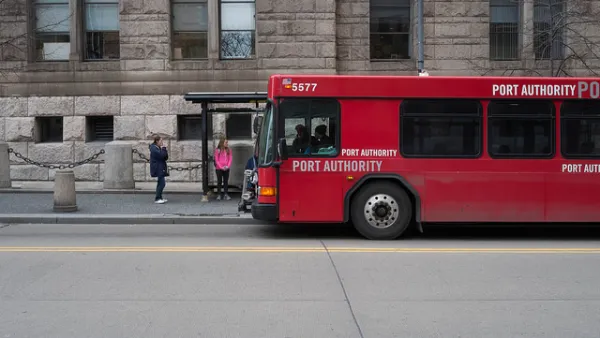
Pittsburgh Launches Comprehensive Mobility as a Service App: Move PGH
The Move PGH pilot program is being credited as a major step forward for the integration of personal technology and shared transportation.
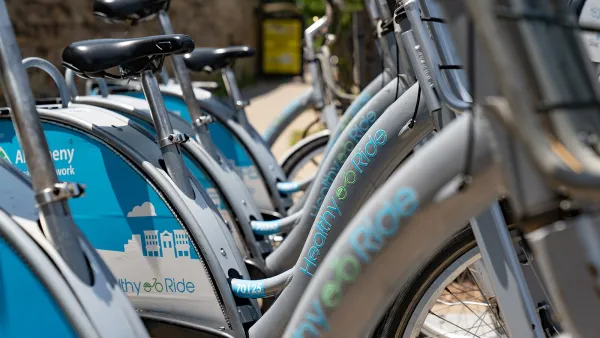
Pittsburgh To Revamp its Bike Share System With E-Bikes, New Stations
The system overhaul is partly due to nextbike's shift to focusing on its European markets. The new fleet will include 350 e-bikes and expand service to new neighborhoods.
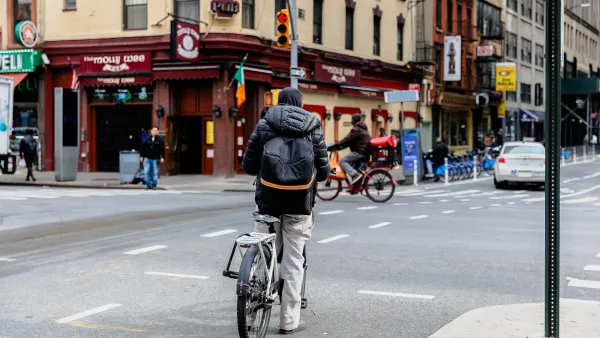
NYC e-bike injury study highlights 'critical infrastructure deficiencies'
The sharp rise in e-mobility injuries points to a need for safer roads, not more punitive laws.

The state-sanctioned urbicide of Austin
People don’t kill cities. Freeways do.

US to reduce Colorado River water deliveries to Mexico
A new Colorado Treaty amendment reduces Mexico’s Colorado River water allocation by 250,000 acre feet.

New Jersey’s second-largest city bans standalone data centers
Jersey City will continue to allow co-location facilities, such as those meant for research institutions that store their own data.

Amtrak not solely to blame for New Jersey commuter rail's unreliability, report finds
A new study from the Garden State Initiative found that NJ Transit’s budget grew 20% across a 4 year period, but reliability declined significantly over the same period.

EPA erases limits on planet-warming pollution from power plants
Under Monday’s plan, power plants would still have some limits on how much mercury, arsenic and other contaminants they can emit.

Phoenix announces new on-demand transit service, more frequent RAPID buses
Both new services will launch in October, and are part of Phoenix's Project Effective Access Solutions for Easing Congestion.

FREE Course: Walkable City 1: Why Walkability?
After describing his path towards focusing on walkability as the essence of good planning, Jeff Speck marches through his five principal reasons for making more walkable places.
Reinventing Malls: Planning Alchemy—Turning Gray Fields Into Gold
The course focuses on the opportunities and imperatives that shape reinvention of mall sites.

Eagle County Government
Harvard University Graduate School of Design
Nashville Planning Department
The Architects Foundation
University of Cincinnati Online
The Pocatello Development Authority
The Urban Renewal Agency of the City of Pocatello
Journal of the American Planning Association