The United States is still mostly populated by white people, but there are plenty of places where that is no longer true.


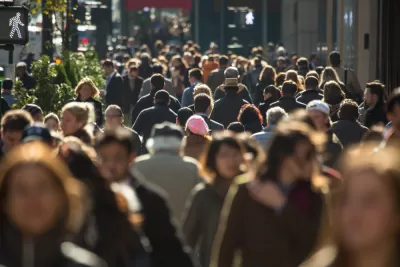
Jens Manuel Krogstad From writes about demographic trends: "In the United States, the white share of the population is declining as Hispanic, Asian and black populations grow. But the shift to a more diverse nation is happening more quickly in some places than in others."
Between 2000 and 2018, the white population share fell below 50 percent in 109 counties, according to the Pew Research Center analysis promoted by the article. "Overall, 293 U.S. counties were majority nonwhite in 2018," reports Krogstad.
The article includes infographics to help visualize the data reported, and a lot more detail and insights to help understand the effect of demographic change. Another way of understanding the nation's demographic changes, according to Krogstad, is to also note the counties where data shifted the opposite way: "From 2000 to 2018, just two counties went from minority white to majority white: Calhoun County in South Carolina and West Feliciana Parish in Louisiana, each with relatively small populations of about 15,000."
FULL STORY: Reflecting a demographic shift, 109 U.S. counties have become majority nonwhite since 2000

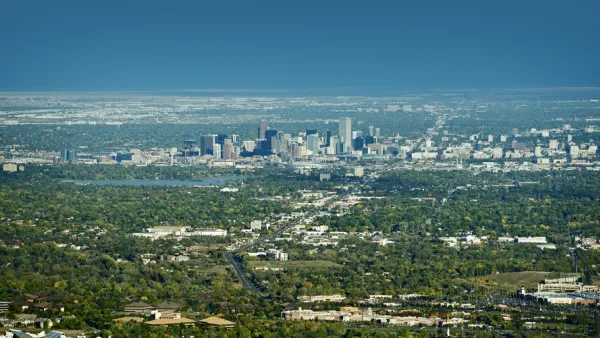
The Changing Demographics of Denver's Suburbs
The Colorado Demographer's Office is projecting big changes for the demographics of the suburban counties and cities surrounding Denver—even as overall growth for the region is expected to slow.

Racial Segregation in U.S. Neighborhoods
Despite the intentions of the nation's fair housing laws, neighborhoods in the United States continue to segregate by race.
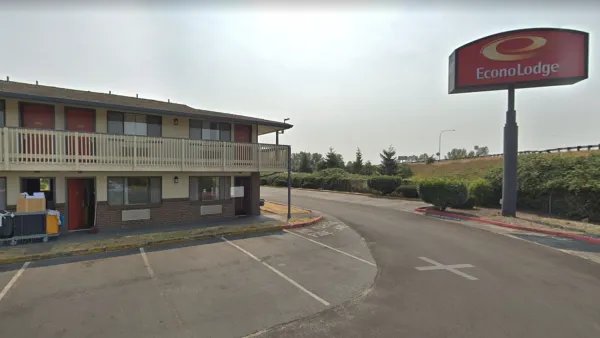
Dispute Over Siting of Coronavirus Quarantine Facility in Washington State
The Seattle area is ground zero for the coronavirus in the U.S., where 10 of the 11 deaths as of March 5 have occurred. King County's decision to purchase a motel in Kent for use as a quarantine facility is being met with protests by city officials.

Planetizen Federal Action Tracker
A weekly monitor of how Trump’s orders and actions are impacting planners and planning in America.

The state-sanctioned urbicide of Austin
People don’t kill cities. Freeways do.

US to reduce Colorado River water deliveries to Mexico
A new Colorado Treaty amendment reduces Mexico’s Colorado River water allocation by 250,000 acre feet.

Mamdani overhauls NYC's Vision Zero plan with 100 new policy goals
The overhaul aims to reduce traffic deaths and make streets safer for pedestrians, cyclists and drivers through lower speed limits, new safety infrastructure and more.

Amtrak not solely to blame for New Jersey commuter rail's unreliability, report finds
A new study from the Garden State Initiative found that NJ Transit’s budget grew 20% across a 4 year period, but reliability declined significantly over the same period.

EPA erases limits on planet-warming pollution from power plants
Under Monday’s plan, power plants would still have some limits on how much mercury, arsenic and other contaminants they can emit.

FREE Course: Walkable City 1: Why Walkability?
After describing his path towards focusing on walkability as the essence of good planning, Jeff Speck marches through his five principal reasons for making more walkable places.
Reinventing Malls: Planning Alchemy—Turning Gray Fields Into Gold
The course focuses on the opportunities and imperatives that shape reinvention of mall sites.

Eagle County Government
Harvard University Graduate School of Design
Nashville Planning Department
The Architects Foundation
University of Cincinnati Online
The Pocatello Development Authority
The Urban Renewal Agency of the City of Pocatello
Journal of the American Planning Association