The public got its first chance to weigh in on a controversial proposal to makeover a sliver of Toronto waterfront as an ambitious experiment in "smart city" technology.



More than 100 people showed up the first public hearing since Sidewalk Labs, a subsidiary of Google parent company Alphabet, released a 1,500-page proposal for the development of Quayside on the waterfront in Toronto.
"Much of the purpose of these opening sessions, Waterfront Toronto officials said, was to tackle confusion over the immensity of the proposal itself," according to an article by the Toronto Star that provides a recap of the meeting.
"Worries about the sheer scope of the project, the absence of an overall summary of the digital giant’s ambitions and a lack of detail about the Google subsidiaries’ partnerships were among the concerns raised in the breakout sessions…"
"Other objections raised Monday night included questions over regulatory changes the proposed project would require, above and beyond the authority of Waterfront Toronto."
The article also discusses reactions to many specific components of the proposal. Three more public hearings are set for the coming weeks, with a second wave of hearings scheduled for the fall.
FULL STORY: Google’s Quayside plan goes under microscope at first public meeting

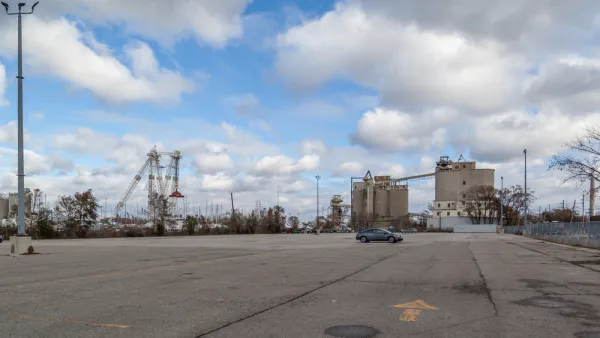
The Four Design Teams Shortlisted for Quayside Redevelopment
After Alphabet-owned Sidewalk Labs dropped the project, Toronto is evaluating other proposals for redeveloping their waterfront.

Tech and the Post-Pandemic City
To steer American cities into the future, public and private sectors—and citizens—must work together to build broad, lasting support around complicated issues such as transparency and data privacy.
After Sidewalk Labs, a New Plan Emerges for Toronto's Waterfront
Just shy of a year after Sidewalk Labs pulled the plug on its "smart city" experiment for Quayside, Waterfront Toronto has a released a request for qualifications to move forward with a new, "people-centered" vision for the waterfront.

Planetizen Federal Action Tracker
A weekly monitor of how Trump’s orders and actions are impacting planners and planning in America.

The state-sanctioned urbicide of Austin
People don’t kill cities. Freeways do.

US to reduce Colorado River water deliveries to Mexico
A new Colorado Treaty amendment reduces Mexico’s Colorado River water allocation by 250,000 acre feet.

Mamdani overhauls NYC's Vision Zero plan with 100 new policy goals
The overhaul aims to reduce traffic deaths and make streets safer for pedestrians, cyclists and drivers through lower speed limits, new safety infrastructure and more.

Amtrak not solely to blame for New Jersey commuter rail's unreliability, report finds
A new study from the Garden State Initiative found that NJ Transit’s budget grew 20% across a 4 year period, but reliability declined significantly over the same period.

EPA erases limits on planet-warming pollution from power plants
Under Monday’s plan, power plants would still have some limits on how much mercury, arsenic and other contaminants they can emit.

FREE Course: Walkable City 1: Why Walkability?
After describing his path towards focusing on walkability as the essence of good planning, Jeff Speck marches through his five principal reasons for making more walkable places.
Reinventing Malls: Planning Alchemy—Turning Gray Fields Into Gold
The course focuses on the opportunities and imperatives that shape reinvention of mall sites.

Eagle County Government
Harvard University Graduate School of Design
Nashville Planning Department
The Architects Foundation
University of Cincinnati Online
The Pocatello Development Authority
The Urban Renewal Agency of the City of Pocatello
Journal of the American Planning Association