Analysis of homelessness data for school-aged youth in U.S. cities.



Homeless youth face numerous extra challenges that make reaching a more stable position in life very difficult, like being unable to attend school and facing higher risk of substance abuse.
River Oaks, an addiction treatment center, is raising awareness about the pervasiveness of homelessness in student populations around the country by publishing analysis of the cities with the highest number, per capita, of homeless students.
Public school districts collect information about their student population, and the U.S. Department of Education makes this available. We decided to take a closer look at these numbers to see how cities across the U.S. compare when it comes to student homelessness. Our analysis includes the 100 largest cities, according to metropolitan area population size. We also found the three school districts in each state that have the highest count of students in this category.
According to this analysis, Jackson, Mississippi; Baton Rouge, Louisiana; and Syracuse, New York have the highest number of homeless students per 100,000 residents. The cities with the lowest number of homeless students per 100,000 residents: Phoenix, Arizona; San Jose, California; and Birmingham, Alabama.
The post is infographic-rich, with more information on methodology, and more ways of slicing the data for insight into this societal challenge.
FULL STORY: By Region: The Cities with the Most and Least Homeless Students by Population


LA has no plan — or funding — to help unhoused people displaced by Olympics security efforts
City and county officials say they don't have the funds to offer housing to the up to 1,600 people that will be displaced by perimeters around event venues.
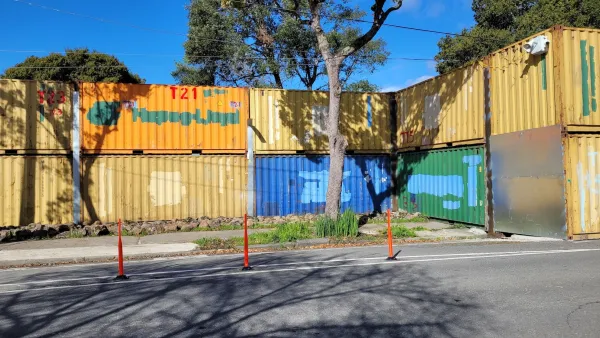
Berkeley promised to build supportive housing in People's Park. Where is it?
More than two years after People's Park was cordoned off, there is no word on a timeline for a promised affordable housing project.
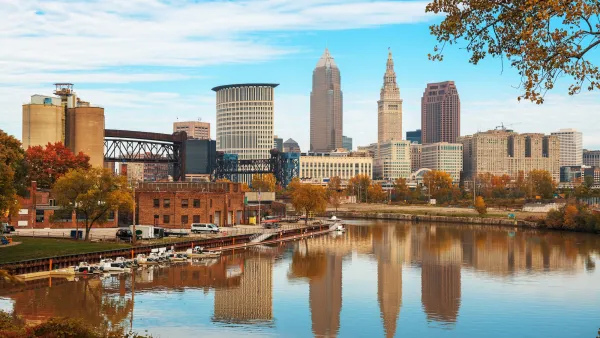
Cleveland program has housed 200 people since 2024
The A Home For Every Neighbor initiative successfully moves people into housing in under two weeks.

Planetizen Federal Action Tracker
A weekly monitor of how Trump’s orders and actions are impacting planners and planning in America.

The state-sanctioned urbicide of Austin
People don’t kill cities. Freeways do.

US to reduce Colorado River water deliveries to Mexico
A new Colorado Treaty amendment reduces Mexico’s Colorado River water allocation by 250,000 acre feet.

5 New England states march closer to 800 megawatt wind energy project
Securing federal approval for the project may be complicated under the Trump administration, which has historically been hostile towards domestic wind power.

Baltimore to break ground on $50 million Transit Priority Project
The project will bring faster bus trips, safer streets and better bike connections to Baltimore.

Airbnb launches $250 million 'last-dollar financing' housing accelerator, makes first investment in Austin
The company will put $6.4 million towards affordable housing development in Texas’ capital.

FREE Course: Walkable City 1: Why Walkability?
After describing his path towards focusing on walkability as the essence of good planning, Jeff Speck marches through his five principal reasons for making more walkable places.
Reinventing Malls: Planning Alchemy—Turning Gray Fields Into Gold
The course focuses on the opportunities and imperatives that shape reinvention of mall sites.

Eagle County Government
Harvard University Graduate School of Design
Nashville Planning Department
The Architects Foundation
University of Cincinnati Online
The Pocatello Development Authority
The Urban Renewal Agency of the City of Pocatello
Journal of the American Planning Association