The American Ling Association released its "State of the Air" report last week, finding that ozone and short-term particle pollution worsened in many cities in 2015-2017, compared to 2014-2016.


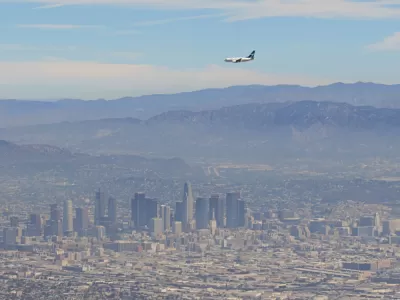
"About four in 10 people in the US live in counties where the air has either more ozone or more particulate pollution than is considered healthy," according to an article by Zoë Schlanger.
Those cities could look to places with clean air for leadership in protecting the air breathed by residents. The "State of the Air" report from the American Lung Association celebrates those cities with the cleanest air, including "a few cities [in the United States] that did not log a single bad-air day at all between 2015 and 2017."
Those places: Bangor, Maine; Burlington-South Burlington, Vermont; Honolulu, Hawaii; Lincoln-Beatrice, Nebraska; Palm Bay-Melbourne-Titusville, Florida; and Wilmington, North Carolina.
Schlanger also shares an additional eight "pretty good" cities that had no spikes in particulate pollution, and had low levels of particulate pollution all year round.
If you're looking for takeaways, a list of key findings from the report, prepared by the American Lung Association, includes an increasing number of high ozone and high particulate days in cities and increasing challenges and risks to human health posed by climate change.
FULL STORY: These six cities have the cleanest air in the US

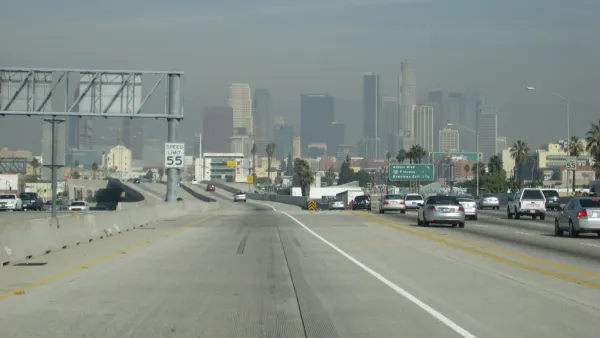
California Has 8 of the 10 Most Polluted Cities in the U.S.
Despite ever-stricter air-quality regulations and dropping emissions, the American Lung Association once again finds the state to have some of the worst air in the nation.
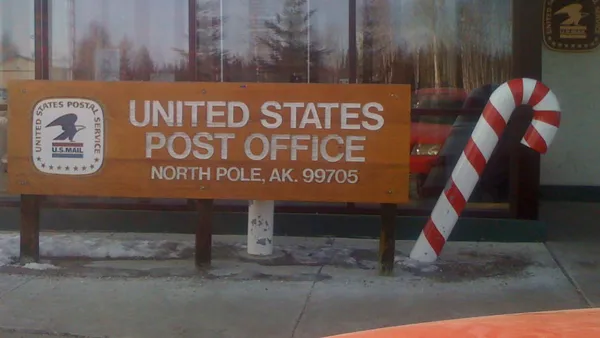
The Surprising Region with the Nation's Worst Particulate Air Pollution
It's not Southern California, with its ports and congested freeways, California's Central Valley, with its bowl-like topography, Houston, with its oil refineries, or the midwest, with its coal power plants. Hint: think Santa Claus.
American Lung Association Releases Annual 'State of the Air' Report
The 16th annual State of the Air report includes everyone's favorite tool for putting the achievements of cities and metropolitan areas in perspective: rankings.

Planetizen Federal Action Tracker
A weekly monitor of how Trump’s orders and actions are impacting planners and planning in America.

The state-sanctioned urbicide of Austin
People don’t kill cities. Freeways do.

US to reduce Colorado River water deliveries to Mexico
A new Colorado Treaty amendment reduces Mexico’s Colorado River water allocation by 250,000 acre feet.

Brightline West’s future may rely on $6 billion federal loan
The company has until Nov. 2 to make a $400 million equity investment into its proposed high-speed rail line.

LA Metro’s ultimatum: no extra buses for LA28 if federal funding isn’t imminently secured
If Metro does not provide additional buses, LA28 organizers will have to find a new way to manage Olympic traffic. LA28’s budget does not include a line item for transit.

Colorado’s Largest Data Center Could Rise Next to Homes — Without a Public Hearing
The proposed campus would consume 11 times the power of Denver International Airport; as it has across the country, opposition mounts.

FREE Course: Walkable City 1: Why Walkability?
After describing his path towards focusing on walkability as the essence of good planning, Jeff Speck marches through his five principal reasons for making more walkable places.
Reinventing Malls: Planning Alchemy—Turning Gray Fields Into Gold
The course focuses on the opportunities and imperatives that shape reinvention of mall sites.

Eagle County Government
Harvard University Graduate School of Design
Nashville Planning Department
The Architects Foundation
University of Cincinnati Online
The Pocatello Development Authority
The Urban Renewal Agency of the City of Pocatello
Journal of the American Planning Association