Noise pollution tends to impact low-income communities more than others. For those who can afford the luxury, there are ways to shut out the noise.


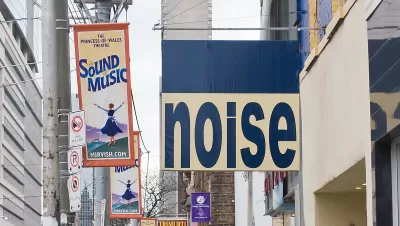
Thomas McMullan reports on the question of to deal with the increasing noise that comes with urban densification.
As cities swell, writes McMullan, "there are signs we are finding it harder to cope with the noise." Not only are more people dealing with noise pollution in the city, noise pollution tends to affect low-income communities the most.
In the US, research from 2017 suggests poorer urban neighbourhoods are nearly two decibels louder than affluent areas. Noise pollution tracks social segregation. The same study also found that, across US cities such as Detroit and Chicago, communities with larger proportions of black, Hispanic and Asian residents face higher noise levels than other neighbourhoods.
As McMullan documents, recent research show noise pollution to have negative public health effects,l ike high blood pressure, heart attacks, and type 2 diabetes.
So what come be done about all that noise? McMullan provides examples of development projects that have deployed technology and building techniques to combat noise pollution, but usually at a cost premium. McMullan also describes innovative concepts, technologies, and practices of sound design, used to mask noise or add sounds to cover noise in the built environment—it's called pink noise rather than white noise.
FULL STORY: Cities are louder than ever – and it's the poor who suffer most


‘Quiet Parks’ Highlight Importance of Silence for Public Health
The initiative recognizes parks and other areas that preserve natural quiet in a world full of noise pollution.

Bioremediation for Environmental Justice
Bioremediation uses plants, fungi, and microbes to clean up polluted land in place, offering a nature-based option for restoring contaminated sites in overburdened communities.
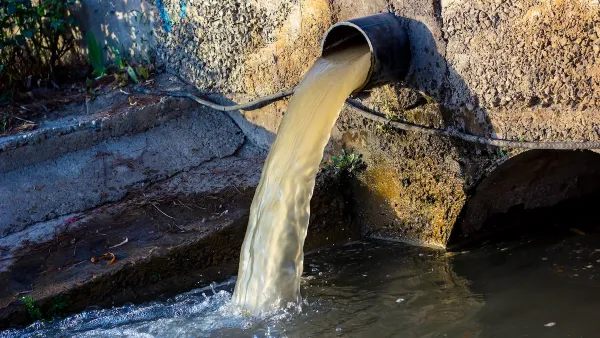
Alabama: Trump Terminates Settlements for Black Communities Harmed By Raw Sewage
Trump deemed the landmark civil rights agreement “illegal DEI and environmental justice policy.”

Planetizen Federal Action Tracker
A weekly monitor of how Trump’s orders and actions are impacting planners and planning in America.

The state-sanctioned urbicide of Austin
People don’t kill cities. Freeways do.

US to reduce Colorado River water deliveries to Mexico
A new Colorado Treaty amendment reduces Mexico’s Colorado River water allocation by 250,000 acre feet.

5 New England states march closer to 800 megawatt wind energy project
Securing federal approval for the project may be complicated under the Trump administration, which has historically been hostile towards domestic wind power.

Baltimore to break ground on $50 million Transit Priority Project
The project will bring faster bus trips, safer streets and better bike connections to Baltimore.

Airbnb launches $250 million 'last-dollar financing' housing accelerator, makes first investment in Austin
The company will put $6.4 million towards affordable housing development in Texas’ capital.

FREE Course: Walkable City 1: Why Walkability?
After describing his path towards focusing on walkability as the essence of good planning, Jeff Speck marches through his five principal reasons for making more walkable places.
Reinventing Malls: Planning Alchemy—Turning Gray Fields Into Gold
The course focuses on the opportunities and imperatives that shape reinvention of mall sites.

Eagle County Government
Harvard University Graduate School of Design
Nashville Planning Department
The Architects Foundation
University of Cincinnati Online
The Pocatello Development Authority
The Urban Renewal Agency of the City of Pocatello
Journal of the American Planning Association