The number of cost-burdened households in rural parts of the United States is increasing quickly.


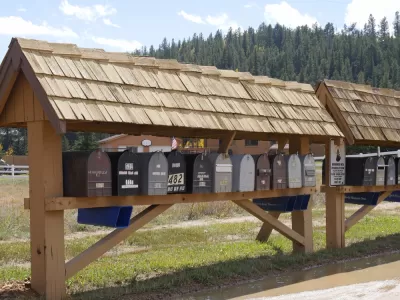
"The problem of housing affordability, long a concern in popular big cities, has moved to rural America," according to an article by Tim Henderson, who writes to share new analysis for Stateline, an initiative of the Pew Charitable Trusts.
"Nearly one-fourth of the nation’s most rural counties have seen a sizeable increase this decade in the number of households spending at least half their income on housing, a category the federal government calls 'severely cost-burdened,'" explains Henderson. In fact, only two big city counties kept pace with those rural parts of the country for the size of rent increases.
As for why rural counties are facing a housing crunch, Henderson cites a pair of reasons: "Losses of high-paying jobs have hit some rural regions, such as a cluster of coal-dependent counties in Kentucky, Tennessee and Virginia, especially hard. Other places are struggling with affordable housing because new workers in economically revived areas are vying for rental housing, putting pressure on prices in a rental market with a limited supply."
Patrick Sisson provides additional coverage of Stateline's analysis in an article for Curbed.
Read the full story: Rural America Faces a Housing Cost Crunch


More Housing Could Increase Affordability If You Build It in the Right Places
Focusing on zoning in hot-market urban centers misses economic realities—and major opportunities.
The Complete Lack of Rental Housing Affordable to People Making Minimum Wage
Rents in 99 percent of counties in the U.S. are not affordable for residents making minimum wage, according to a recent report.

Report Digs Into the Unique Needs of the Miami Housing Market
Miami doesn’t get as much attention as cities like New York City and San Francisco for the cost of housing, but 61 percent of renters in the city are cost-burdened, and 71 percent of the city's residents are residents.

Planetizen Federal Action Tracker
A weekly monitor of how Trump’s orders and actions are impacting planners and planning in America.

California plans to bury El Niño’s downpour
If the state plays its cards right, it may be able to store a billion acre-feet of El Niño’s water in aquifers.

Desperate measures: Advocates weigh draining Lake Powell to fill Colorado River
Draining the reservoir could reduce evaporation losses by a couple hundred thousand acre-feet.

California city breaks ground on transit connector
The project includes three mobility hubs and a pedestrian bridge.

After public outcry, Massachusetts city releases housing development tracker
Cambridge’s tracker currently shows 250 housing projects in various stages of development.

40 years after approval, Chicago breaks ground on new park
The park honors Jean Baptiste Point du Sable, the city’s first permanent non-native settler.

FREE Course: Walkable City 1: Why Walkability?
After describing his path towards focusing on walkability as the essence of good planning, Jeff Speck marches through his five principal reasons for making more walkable places.
Reinventing Malls: Planning Alchemy—Turning Gray Fields Into Gold
The course focuses on the opportunities and imperatives that shape reinvention of mall sites.

City of Rosemead
Rutgers University, Edward J. Bloustein School of Planning and Public Policy
One Hundred Miles
Hunter College, City University of New York (CUNY)
The Architects Foundation
University of Cincinnati Online
City of Cambridge
Montrose County
The Pocatello Development Authority