It's time to get demand and supply on the same page, according to this report.


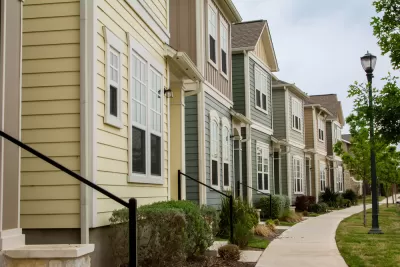
The demographics of new households want smaller more affordable houses, but the housing construction industry is building larger homes.
The findings of a new report from real estate advising company RCLCO tell the story, as explained in an article written by Gregg Logan and Rachel Waldman.
Decreasing new home affordability is part of a long-term trend predating the current affordability crisis. The mix of sizes of the new home inventory is driving up home prices in addition to higher mortgage, labor, and land costs. Compared to the years leading up the Great Recession, the share of newly constructed homes larger than 3,000 square feet increased from 19% to 30%.
But here's the big takeaway for planners and other policy makers tasked with envisioning the future and implementing that vision:
There is a larger market for medium-density attached and smaller detached new homes than is currently being offered, and these and other creative solutions will become increasingly important as the U.S. population further diversifies. Otherwise, the size of the overall new for-sale housing market could decline.
A report published by the National Association of Homebuilders earlier this year gives some indication that homebuilders are starting to get the message and building smaller homes.
FULL STORY: Disruptive Demographics: Housing Production & Demographic Reality Are Moving in Different Directions

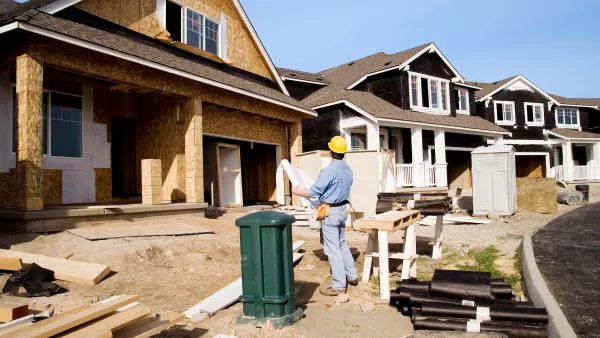
Can revolving loan funds revolutionize housing financing?
Revolving loan funds offer governments a way to support increased housing production with a one-time investment.
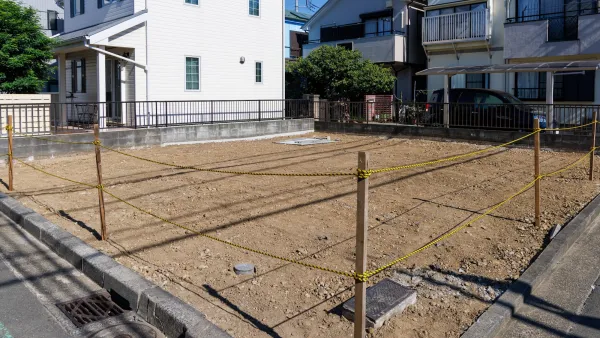
400 Maine Affordable Homes Unable to Break Ground due to Buy America Rules
Projects that receive certain federal funds are required to source 95% of their materials from the United States.

The Relationship Between Rents and Housing Supply
Despite a strong belief in market forces in many other aspects of the economy, many Americans don’t see a correlation between housing supply and housing costs.

Planetizen Federal Action Tracker
A weekly monitor of how Trump’s orders and actions are impacting planners and planning in America.

The state-sanctioned urbicide of Austin
People don’t kill cities. Freeways do.

US to reduce Colorado River water deliveries to Mexico
A new Colorado Treaty amendment reduces Mexico’s Colorado River water allocation by 250,000 acre feet.

5 New England states march closer to 800 megawatt wind energy project
Securing federal approval for the project may be complicated under the Trump administration, which has historically been hostile towards domestic wind power.

Baltimore to break ground on $50 million Transit Priority Project
The project will bring faster bus trips, safer streets and better bike connections to Baltimore.

Airbnb launches $250 million 'last-dollar financing' housing accelerator, makes first investment in Austin
The company will put $6.4 million towards affordable housing development in Texas’ capital.

FREE Course: Walkable City 1: Why Walkability?
After describing his path towards focusing on walkability as the essence of good planning, Jeff Speck marches through his five principal reasons for making more walkable places.
Reinventing Malls: Planning Alchemy—Turning Gray Fields Into Gold
The course focuses on the opportunities and imperatives that shape reinvention of mall sites.

Eagle County Government
Harvard University Graduate School of Design
Nashville Planning Department
The Architects Foundation
University of Cincinnati Online
The Pocatello Development Authority
The Urban Renewal Agency of the City of Pocatello
Journal of the American Planning Association