Gov. Gavin Newsom said the state’s allocated $170 million was enough funding; State experts estimate it will cost $3.3 billion to repair the California Delta's levees.


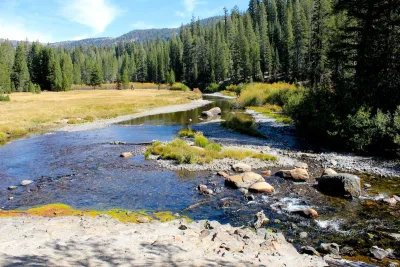
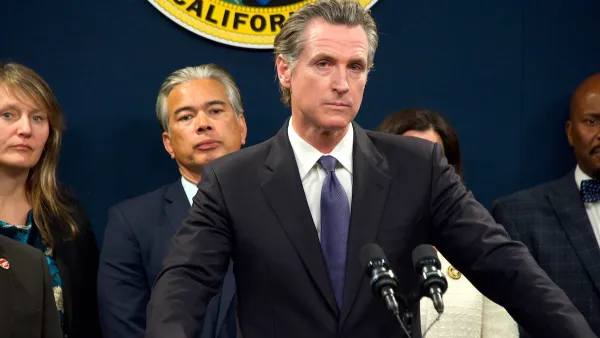
California Gov. Gavin Newsom vetoed a bill funding repairs for levees in the California Delta region, and protections for them and other vital water infrastructure from flooding, “even with an El Niño winter looming and memories of flooding still fresh,” Rachel Becker writes for Cal Matters. Newsom said in his veto letter that the $170 million included in the state budget for water infrastructure repairs was enough; The state’s Delta Stewardship Council estimates that it will take $3.3 billion to fully fix the Delta’s levees, many of which do not meet construction standards.
The vetoed bill would have created a $300 million annual repair fund for the levees. The bill passed the Legislature unanimously, but drew criticism from the California Central Valley Flood Control Association, who said it could “disrupt existing funding programs and create additional bureaucracy around already complex reimbursement processes,” Cal Matters reports.
The bill would have also put funding toward repairing the water delivery system that brings Northern California water through the Delta, supplying water to two-thirds of the state's population. “A state report found the damage could cut water deliveries by almost 90% in the next 17 years. The California Department of Water Resources estimates that fixing the damage, both past and future, could cost nearly $4 billion,” Becker writes.
Read the full story: Newsom vetoes Delta levees bill as El Niño winter looms
Re-Engineering California's Water Supplies
In California, some worry that the state's aging delta levees are in extreme danger of being destroyed by earthquakes. And as environmental concerns rise, the state is considering plans to re-engineer its water supplies to prevent another "Katrina".
California’s ‘unrecognizable’ water plan may go down the drain
After four years of regulatory processes, water agencies say the plan to overhaul how cities and farms take water from the Sacramento-San Joaquin Delta has changed dramatically.

California plans to bury El Niño’s downpour
If the state plays its cards right, it may be able to store a billion acre-feet of El Niño’s water in aquifers.

Planetizen Federal Action Tracker
A weekly monitor of how Trump’s orders and actions are impacting planners and planning in America.

Eastern Nebraska is running out of electricity
Data centers and electrification are straining eastern Nebraska’s grid, throttling economic development.

Study reveals best places in the U.S. for cycling, walking
New research from Streetlight Data examines bicycle and pedestrian miles per capita in the 100 largest U.S. cities by population.

Officials look to alter BART extension as price goes through the roof
Tariffs and the war with Iran are behind the rising cost.

To power data centers, Utah company may build hundreds of nuclear reactors on state land
In its permit application, Valar asked for the county to confirm that changes within its outlined plan would still be covered by the permit.

San Antonio is using environmental review to stall ICE detention center
San Antonio sued last month to pause work on the new detention center until the federal government studied its effect on the surrounding area.

FREE Course: Walkable City 1: Why Walkability?
After describing his path towards focusing on walkability as the essence of good planning, Jeff Speck marches through his five principal reasons for making more walkable places.
Reinventing Malls: Planning Alchemy—Turning Gray Fields Into Gold
The course focuses on the opportunities and imperatives that shape reinvention of mall sites.

City of Charlotte
City of Rosemead
Rutgers University, Edward J. Bloustein School of Planning and Public Policy
University of Michigan School for Environment and Sustainability (SEAS)
Hunter College, City University of New York (CUNY)
The Architects Foundation
City of Cambridge
The Pocatello Development Authority
The Urban Renewal Agency of the City of Pocatello