Earth Funeral will grow a forest from human remains that have gone through a “natural organic reduction” process.



Worcester County, Maryland’s Board of Zoning Appeals faced an unusual question on Aug. 13: can soil made from human remains be used to grow trees? Earth Funeral, a funeral home which offers patrons the option of having their corpse turned into soil, asked lawmakers to allow them to use the soil for conservation work, with the intent to turn 15 acres of farmland around Snow Hill into a haven for native trees. In a 4-2 vote, the board approved.
Brian Shane reports in OC Today-Dispatch that in 2024, Maryland lawmakers approved the Green Death Care Options Act, which legalized alternatives to burying and cremation. In May, Earth Funeral opened a facility in Elkridge, offering residents the option of having their body undergo a “natural organic reduction” after death for about $5,000. The chemical-free process uses wildflowers, woodchips and microbes to compost corpses into about 300 pounds of soil.
Now, Earth Funeral intends to buy Snow Hill field as a conservation site and plant enough seedlings to transform the space into a forest. The families of the deceased are able to choose how much of the soil they want to keep and how much, if any, they want to donate to the restoration project. Earth Funeral will test the soil before it leaves the facility to ensure it is free of heavy metals and harmful bacteria, and cannot legally grow food with the soil, Shane reportsIt also will not legally qualify as a cemetery, which is a distinct land use, as it will lack public access and signage.
Earth Funeral has run a similar reforestation project in Washington state for the past four years. Some Worcester residents whose properties border Snow Hill remain concerned about the impact of Earth Funeral’s soil on their land.
Read the full story, below.
Read the full story: Board approves human composting project

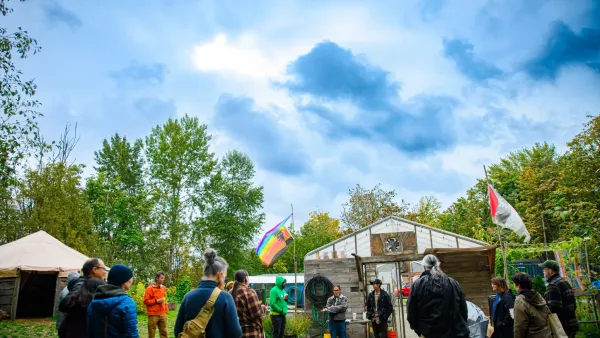
Seattle land ‘rematriated’ to Duwamish Tribe
Volunteer efforts transformed the space from a hazardous waste zone to a community gathering spot.
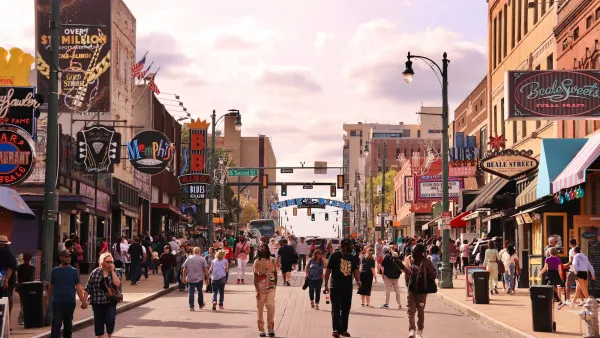
Memphis Plans to Build 10,000 New Homes by 2030
The city plans to liberalize zoning codes to create better incentives for housing production.
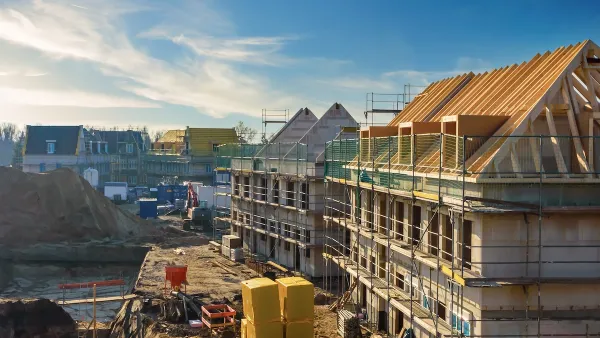
To Build More Housing, Cities Must Be Smarter in How They Use Land
How strategic land use policy decisions can alleviate the housing crisis and limit unsustainable sprawl.

Planetizen Federal Action Tracker
A weekly monitor of how Trump’s orders and actions are impacting planners and planning in America.

‘Going backwards:’ Baltimore mayor, students rally against state's transit funding plan
Maryland's proposed six-year plan provides no funding for Baltimore’s BMORE bus program and reduces its road maintenance funding.
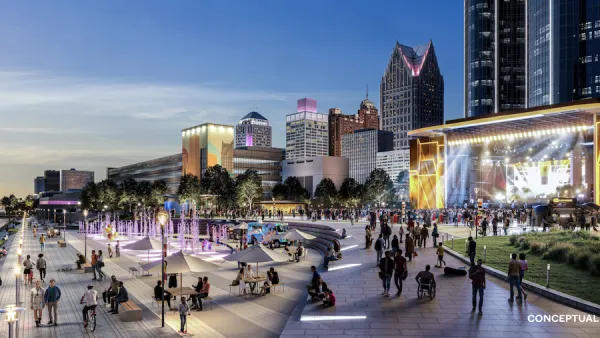
Detroit to transform waterfront with $2.2 billion investment
Developers will convert about 18 acres of unused parking lot space into civic spaces.

HUD, USDA agree on framework to simplify housing environmental review standards
Their agreement is a requirement of the 21st Century ROAD to Housing Act.

Cost of water rising at a faster pace than inflation, median household income
California and Maryland residents have seen their water bills grow especially high.

NYC building owners overwhelmingly comply with new emissions limits
The New York City Department of Buildings is fining owners who did not file emissions reports.

FREE Course: Walkable City 1: Why Walkability?
After describing his path towards focusing on walkability as the essence of good planning, Jeff Speck marches through his five principal reasons for making more walkable places.
Reinventing Malls: Planning Alchemy—Turning Gray Fields Into Gold
The course focuses on the opportunities and imperatives that shape reinvention of mall sites.

planning NEXT
City of Thousand Oaks
City of Wisconsin Rapids
The Architects Foundation
University of Cincinnati Online
Northern Illinois Transit Authority (NITA)
The Pocatello Development Authority
The Urban Renewal Agency of the City of Pocatello