Volunteer efforts transformed the space from a hazardous waste zone to a community gathering spot.


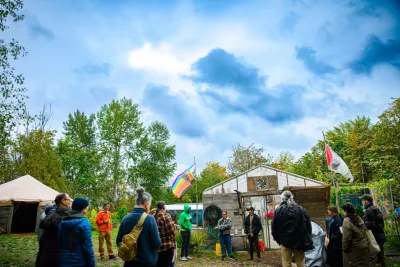
Six years of discussion between the city of Seattle, the Duwamish Tribe and the Shared Spaces Foundation have reached their culmination: on June 13, a 3.56 acre patch of former industrial land was “rematriated” to the Duwamish tribe, its original caretakers, fulfilling a promise five years in the making.
Heron’s Nest, as the land is currently known, formerly held a spot on Seattle’s list of contaminated sites: the previous owner stored machinery on the land and dumped lead and arsenic throughout the plot, Mackenzie Olivo writes for Underscore Native News. Volunteer efforts led by Shared Spaces in 2020 restored the land; in 2021, Shared Spaces bought the plot with a grant from Seattle’s Strategic Investment Fund with the promise that they would return it to the Duwamish tribe.
The Duwamish tribe used the following five years to raise the funds needed to care for the property long term, growing the Duwamish Tribal Services staff from two employees to 10. The Duwamish Tribe, alongside the Seattle Giving Garden Network, have also been using the greenhouse on Heron’s Nest to produce 5,000 vegetable starts each spring, which are distributed to schools, foodbanks, tribal members and volunteers.
The Duwamish Tribe is not federally recognized, which Nancy Sackman, vice chair of the Duwamish Tribal Council and Duwamish tribal member told Underscore Native News made the tribe’s stewardship of Heron’s Nest even more special. “To me, it seems like a huge piece of property because we are not federally recognized and do not have a reservation. So any land that we do get is a huge event,” Sackman said.
Read the full story, below.
Read the full story: Duwamish Tribe Takes on Stewardship of Rematriated Land at Heron’s Nest

'Seattle 2035' Plan Finalized and Adopted
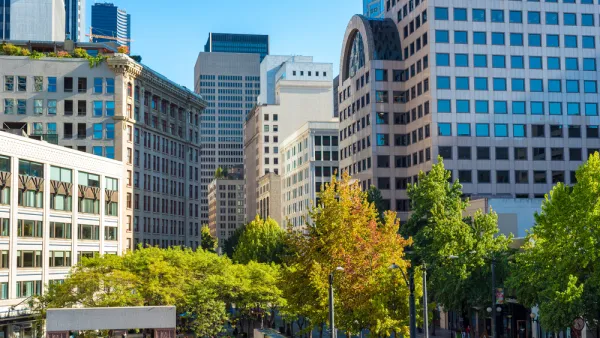
"Seattle’s multi-year process to update the city’s Comprehensive Plan has come to its conclusion finding unanimous consent and approval from the City Council," reports Stephen Fesler.
Is AI really the Panacea to our permitting woes?
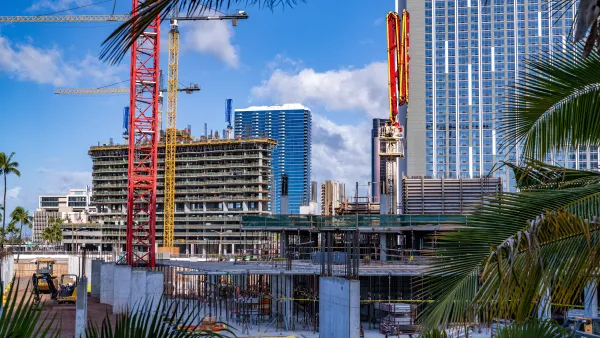
Let’s have a look at what’s happening on the ground.

Maryland county approves first agricultural use of composted human remains
Earth Funeral will grow a forest from human remains that have gone through a “natural organic reduction” process.

Planetizen Federal Action Tracker
A weekly monitor of how Trump’s orders and actions are impacting planners and planning in America.

‘Going backwards:’ Baltimore mayor, students rally against state's transit funding plan
Maryland's proposed six-year plan provides no funding for Baltimore’s BMORE bus program and reduces its road maintenance funding.

Detroit to transform waterfront with $2.2 billion investment
Developers will convert about 18 acres of unused parking lot space into civic spaces.

HUD, USDA agree on framework to simplify housing environmental review standards
Their agreement is a requirement of the 21st Century ROAD to Housing Act.

Cost of water rising at a faster pace than inflation, median household income
California and Maryland residents have seen their water bills grow especially high.

NYC building owners overwhelmingly comply with new emissions limits
The New York City Department of Buildings is fining owners who did not file emissions reports.

FREE Course: Walkable City 1: Why Walkability?
After describing his path towards focusing on walkability as the essence of good planning, Jeff Speck marches through his five principal reasons for making more walkable places.
Reinventing Malls: Planning Alchemy—Turning Gray Fields Into Gold
The course focuses on the opportunities and imperatives that shape reinvention of mall sites.

planning NEXT
City of Thousand Oaks
City of Wisconsin Rapids
The Architects Foundation
University of Cincinnati Online
Northern Illinois Transit Authority (NITA)
The Pocatello Development Authority
The Urban Renewal Agency of the City of Pocatello