False claims about the potential drawbacks of solar farms are prompting some communities to reject potentially lucrative energy projects.


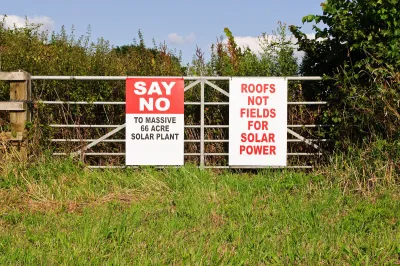
A glut of misinformation and AI-generated graphics are jeopardizing the development of solar installations in rural America, writes Delaney Nolan in The Lens.
Scare tactics from the threat of cancer to poisoned farmland to homegrown tornadoes, almost all entirely unfounded, are prompting some communities to outlaw solar farms, eschewing sorely needed tax revenue and clean energy. "Rural parishes that may otherwise see little investment are reaping massive tax benefits by embracing solar projects, researchers at UL-Lafayette say. Even if solar facilities are granted massive tax exemptions, they’ll generate at least 40 times more local property tax than farmland."
The same generic AI-generated graphics warn "Once [state] is gone, there's no way to get it back" on online forums and Facebook groups. "The accounts have been linked to a network of “AI slop machine” accounts, per an analysis released earlier this month by the threat intelligence company Alethea."
In some places, where oil and gas exploration did cause damage, locals are understandably wary of new development on agricultural land. Experts are working to counter false claims with studies and research that shows that solar panels do not leach chemicals into the surrounding land and do not pose a fire hazard. Once built, solar projects "tend to sit quietly with very little activity, generating significant, steady, predictable stream of tax revenue."
Read the full story: In Rural Communities, Fears Amplified by ‘AI slop’ and Social Media Hamper Solar Boom
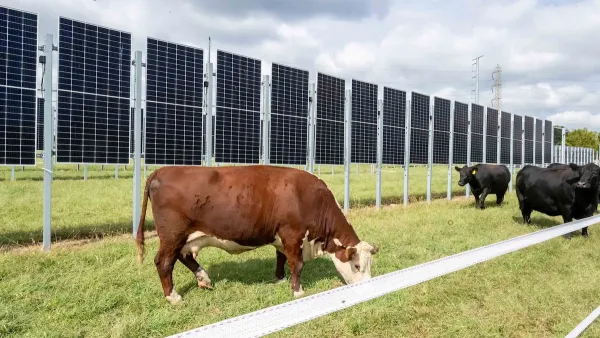
New Jersey Agrivoltaic Project Combines Solar Energy With Farming
A Rutgers University-New Brunswick demonstration farm will evaluate solar array designs to understand how they can best support grazing and agriculture on the same site.
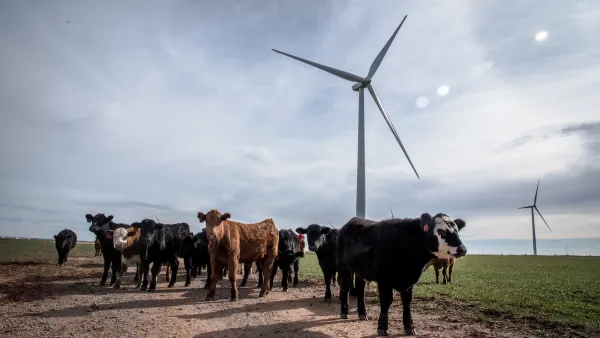
Renewable Energy Overtakes Coal for First Time
Solar and wind power generated close to a third of U.S. electricity supplies in 2024.
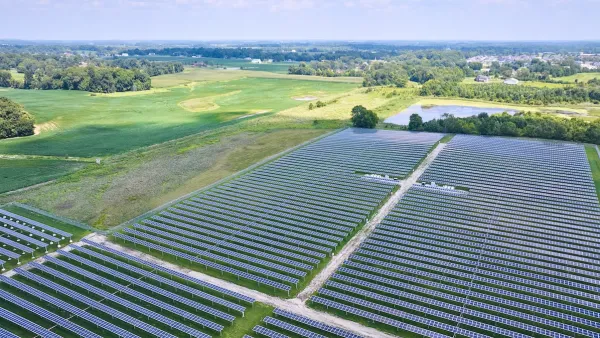
Study: Midwest Property Values Unaffected by Nearby Solar Farms
Despite concerns that solar projects could lower property values, new research finds they actually rose slightly in areas near utility-scale solar installations.

Planetizen Federal Action Tracker
A weekly monitor of how Trump’s orders and actions are impacting planners and planning in America.

California plans to bury El Niño’s downpour
If the state plays its cards right, it may be able to store a billion acre-feet of El Niño’s water in aquifers.

Desperate measures: Advocates weigh draining Lake Powell to fill Colorado River
Draining the reservoir could reduce evaporation losses by a couple hundred thousand acre-feet.

Los Angeles just elected an urban planner as its mayor
Transportation analysts are optimistic that Raman will be more aggressive in addressing transit issues than Bass.

Mamdani’s pied-à-terre tax survives legal challenge
A panel of judges found that the plaintiffs failed to demonstrate injury as a result of New York City's implementation of the tax.

Eastern Nebraska is running out of electricity
Data centers and electrification are straining eastern Nebraska’s grid, throttling economic development.

FREE Course: Walkable City 1: Why Walkability?
After describing his path towards focusing on walkability as the essence of good planning, Jeff Speck marches through his five principal reasons for making more walkable places.
Reinventing Malls: Planning Alchemy—Turning Gray Fields Into Gold
The course focuses on the opportunities and imperatives that shape reinvention of mall sites.

City of Rosemead
Rutgers University, Edward J. Bloustein School of Planning and Public Policy
One Hundred Miles
University of Michigan School for Environment and Sustainability (SEAS)
Hunter College, City University of New York (CUNY)
The Architects Foundation
City of Cambridge
Montrose County
The Pocatello Development Authority