From desalination to wastewater recycling, California officials are promoting more reclamation projects as the Southwest remains in drought.


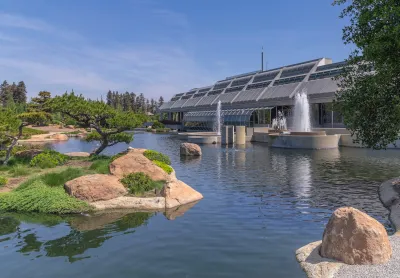
As the Colorado River becomes a less and less reliable source of water, Southern California water agencies are bracing for necessary cuts in imported water and building more water treatment plants that can recycle and reuse water.
As Pam McFarland explains in Engineering News-Record, cities like Los Angeles, which imports 70% of its water, are building multibillion-dollar programs to treat and recycle wastewater for public consumption. "More municipal agencies are implementing indirect potable reuse projects to treat water to drinking water standards and filter it through spreading grounds, groundwater basins, injection wells or aquifers before the new supply enters the drinking water distribution system. Many of those same agencies are contemplating direct potable, where the water flows directly into drinking water pipes, down the road."
The Las Virgenes Municipal Water District in Malibu is experimenting with an offshore desalination project that could produce about one million gallons of water per day while reducing the environmental impacts of onshore desalination plants.
FULL STORY: Southern California Agencies Mount Massive Push for Water Reuse

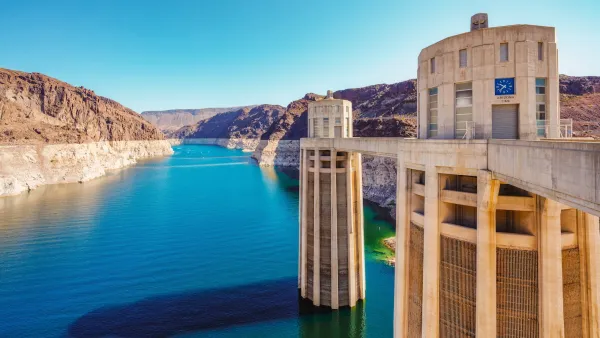
Federal proposal calls for mandatory water cuts to Arizona, California and Nevada
The Bureau of Reclamation stepped in after states failed to come to an agreement over Colorado River water use reductions.
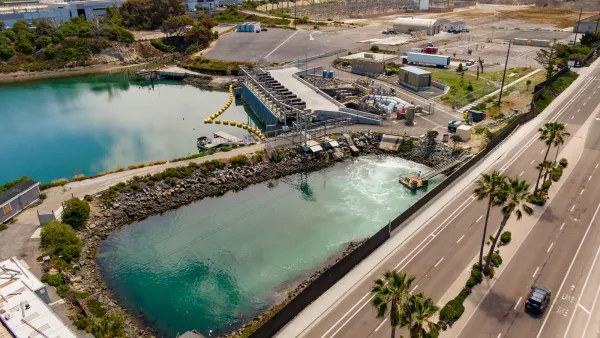
New agreement would let Arizona, Nevada use water from California desalination plant
The plan will help reduce strain on Lake Mead during extreme drought periods.
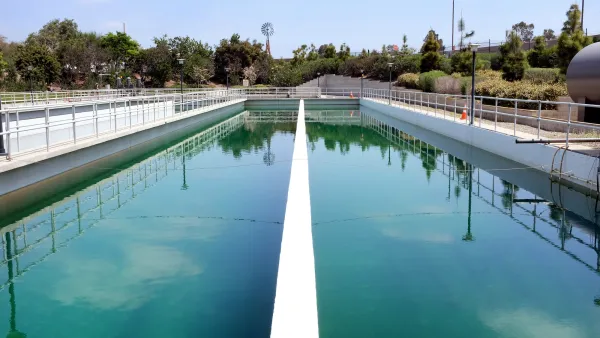
Where water recycling is working
Orange County, California and Las Vegas are leaders in water recycling in the United States.

Planetizen Federal Action Tracker
A weekly monitor of how Trump’s orders and actions are impacting planners and planning in America.

The state-sanctioned urbicide of Austin
People don’t kill cities. Freeways do.

US to reduce Colorado River water deliveries to Mexico
A new Colorado Treaty amendment reduces Mexico’s Colorado River water allocation by 250,000 acre feet.

5 New England states march closer to 800 megawatt wind energy project
Securing federal approval for the project may be complicated under the Trump administration, which has historically been hostile towards domestic wind power.

Baltimore to break ground on $50 million Transit Priority Project
The project will bring faster bus trips, safer streets and better bike connections to Baltimore.

Airbnb launches $250 million 'last-dollar financing' housing accelerator, makes first investment in Austin
The company will put $6.4 million towards affordable housing development in Texas’ capital.

FREE Course: Walkable City 1: Why Walkability?
After describing his path towards focusing on walkability as the essence of good planning, Jeff Speck marches through his five principal reasons for making more walkable places.
Reinventing Malls: Planning Alchemy—Turning Gray Fields Into Gold
The course focuses on the opportunities and imperatives that shape reinvention of mall sites.

Eagle County Government
Harvard University Graduate School of Design
Nashville Planning Department
The Architects Foundation
University of Cincinnati Online
The Pocatello Development Authority
The Urban Renewal Agency of the City of Pocatello
Journal of the American Planning Association