A Connecticut study found that zoning rules perpetuate residential segregation.


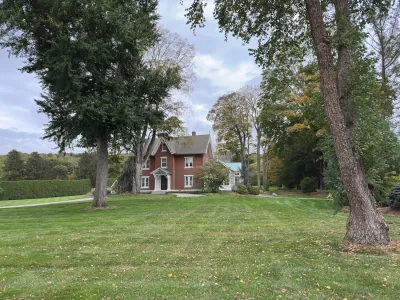
A new study from the University of Connecticut highlights the correlation between minimum lot size and racial segregation in residential neighborhoods.
According to a post on The Horizons Tracker, "The researchers examined the effects of minimum lot-size requirements across Connecticut towns, focusing on how they influence the integration of ethnic minorities. They found that wealthier households are generally more willing to pay for larger plots, thereby reinforcing income-based divides." This held true even after controlling for income.
The results should come as no surprise to those who have studied the relationship between zoning and segregation, but supports a growing body of research that zoning laws can have a major impact on equity and opportunity. "The findings imply that such zoning rules perpetuate segregation not only by limiting access for lower-income households, but also by amplifying differences in residential preferences among racial groups."
According to the researchers, "By quantifying these effects at the household level, our study demonstrates that ostensibly neutral land-use policies can have profound social consequences."
FULL STORY: How Land Use Policies Racially Segregate Society

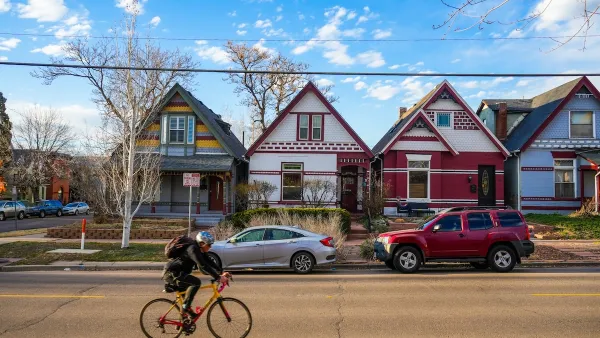
Amidst Colorado Affordability Crisis, Just 3% of Residential Land Zoned for Multifamily Housing
A new report suggests loosening restrictive zoning laws on multifamily development could help bring down high housing costs.

Commentary: Minimum Lot Sizes Drive Up Housing Costs
How making residential building requirements more flexible can ease the housing crisis and make neighborhoods more livable for more households.

Only Two US Metro Areas Are Affordable for Homebuyers
Northeast Ohio is the last remaining bastion of housing affordability, according to an analysis from the National Association of Realtors.

Planetizen Federal Action Tracker
A weekly monitor of how Trump’s orders and actions are impacting planners and planning in America.

The state-sanctioned urbicide of Austin
People don’t kill cities. Freeways do.

US to reduce Colorado River water deliveries to Mexico
A new Colorado Treaty amendment reduces Mexico’s Colorado River water allocation by 250,000 acre feet.

Guerilla urbanists are building DIY bus stop benches in Chicago
A before-and-after of one of the bus stops with a new bench. The new benches are not officially sanctioned or permitted, but the residents who placed them hope they will be the start of a network of DIY benches across the city.

Mamdani overhauls NYC's Vision Zero plan with 100 new policy goals
The overhaul aims to reduce traffic deaths and make streets safer for pedestrians, cyclists and drivers through lower speed limits, new safety infrastructure and more.

Amtrak not solely to blame for New Jersey commuter rail's unreliability, report finds
A new study from the Garden State Initiative found that NJ Transit’s budget grew 20% across a 4 year period, but reliability declined significantly over the same period.

FREE Course: Walkable City 1: Why Walkability?
After describing his path towards focusing on walkability as the essence of good planning, Jeff Speck marches through his five principal reasons for making more walkable places.
Reinventing Malls: Planning Alchemy—Turning Gray Fields Into Gold
The course focuses on the opportunities and imperatives that shape reinvention of mall sites.

Eagle County Government
Harvard University Graduate School of Design
Nashville Planning Department
The Architects Foundation
University of Cincinnati Online
The Pocatello Development Authority
The Urban Renewal Agency of the City of Pocatello
Journal of the American Planning Association