Eight churches will move forward with plans to develop housing, from emergency shelter to single-family homes, on their properties.


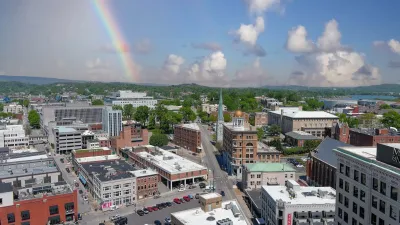
Chattanooga, Tennessee officials selected the first eight churches that will be allowed to build on or lease their land for housing under the city's new Faith-Based Development Initiative, which will provide training, technical assistance and predevelopment grants to institutions interested in contributing to the housing supply.
According to a report from WTVC, the program, managed by the city and Enterprise Community Partners, "The program aims to use underused land owned by houses of worship to address the housing shortage."
The plan could help create up to 400 new affordable housing units on some of the 25 acres owned by the group of institutions. "Participants will now go through training, planning and site studies to see what can be built on their land."
FULL STORY: Chattanooga picks 8 churches for housing effort that could create up to 400 homes

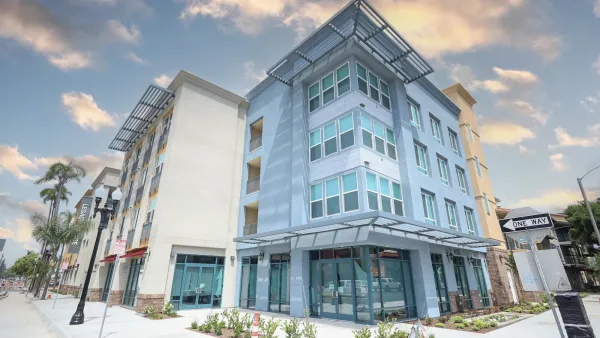
Church-to-housing trend grows in Southern California
Many faith leaders are eager to support housing construction on church land.
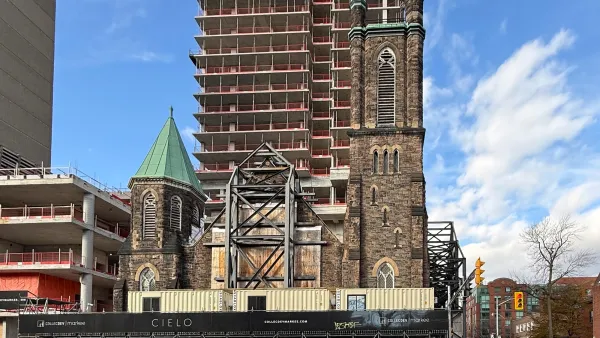
Five simple zoning changes that any city can make to increase housing affordability
Zoning for more affordable housing is not rocket science, says Donald Elliot, author of "An Even Better Way to Zone." Here’s his five-step guide to getting started.
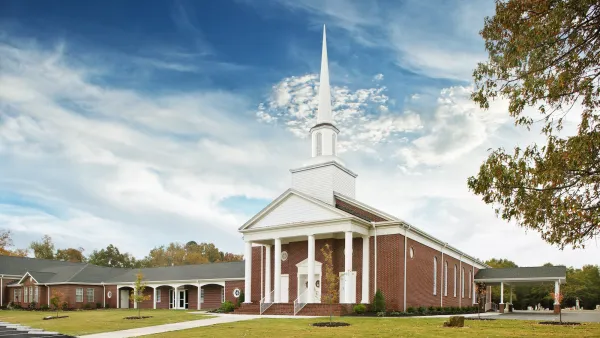
Virginia Assembly Passes ‘Yes in God’s Backyard’ Bill
The law would require 60% affordability and ensure that projects have access to water and sewage lines.

Planetizen Federal Action Tracker
A weekly monitor of how Trump’s orders and actions are impacting planners and planning in America.

The state-sanctioned urbicide of Austin
People don’t kill cities. Freeways do.

US to reduce Colorado River water deliveries to Mexico
A new Colorado Treaty amendment reduces Mexico’s Colorado River water allocation by 250,000 acre feet.

Amtrak not solely to blame for New Jersey commuter rail's unreliability, report finds
A new study from the Garden State Initiative found that NJ Transit’s budget grew 20% across a 4 year period, but reliability declined significantly over the same period.

EPA erases limits on planet-warming pollution from power plants
Under Monday’s plan, power plants would still have some limits on how much mercury, arsenic and other contaminants they can emit.

Phoenix announces new on-demand transit service, more frequent RAPID buses
Both new services will launch in October, and are part of Phoenix's Project Effective Access Solutions for Easing Congestion.

FREE Course: Walkable City 1: Why Walkability?
After describing his path towards focusing on walkability as the essence of good planning, Jeff Speck marches through his five principal reasons for making more walkable places.
Reinventing Malls: Planning Alchemy—Turning Gray Fields Into Gold
The course focuses on the opportunities and imperatives that shape reinvention of mall sites.

Eagle County Government
Harvard University Graduate School of Design
Nashville Planning Department
The Architects Foundation
University of Cincinnati Online
The Pocatello Development Authority
The Urban Renewal Agency of the City of Pocatello
Journal of the American Planning Association