State DOTs face a $86 billion shortfall over the next 10 years.


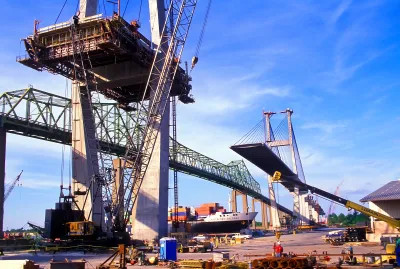
In an article in Governing republished from Pew, Fatima Yousofi and Eli Gullett outline the top five factors driving up the cost of roads, bridges and other transportation infrastructure projects.
One major factor is a growing maintenance backlog as states' investment in infrastructure has declined since the early 2000s. "In total, states and localities have underinvested in maintaining roads and bridges by about $105 billion." A second key reason costs are rising is the eroding value of every invested dollar as material and labor costs go up while transportation funding remains relatively flat.
Other factors include administrative delays and long permitting processes, staffing limitations at state DOTs and inconsistent data that limits states' understanding of their assets and needs.
The researchers suggest that states should prioritize maintenance, strengthen data and transparency, take full advantage of federal resources and improve staffing and expertise at state DOTs, which can reduce reliance on outside consultants.
FULL STORY: Five Forces Driving Up Road and Bridge Maintenance Costs

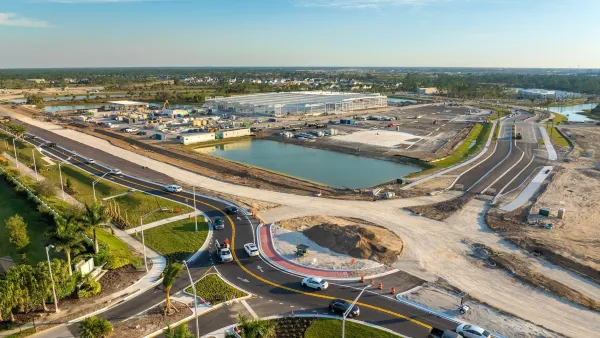
Analysis: What does America want from surface transportation reauthorization?
Over 13,000 comments were submitted in the federal Request for Information on surface transportation reauthorization. We analyzed all of them.
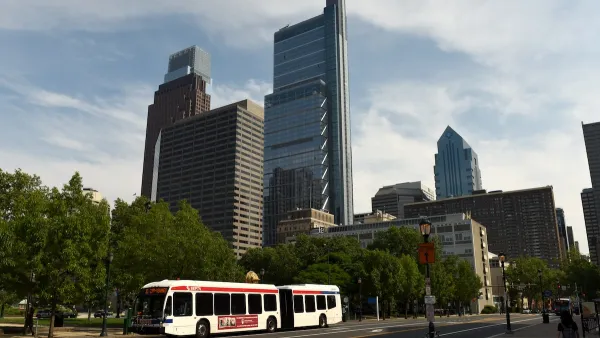
Pennsylvania Adopts State Transportation Plan
The plan addresses roads, transit, and other transportation infrastructure over the next 12 years.
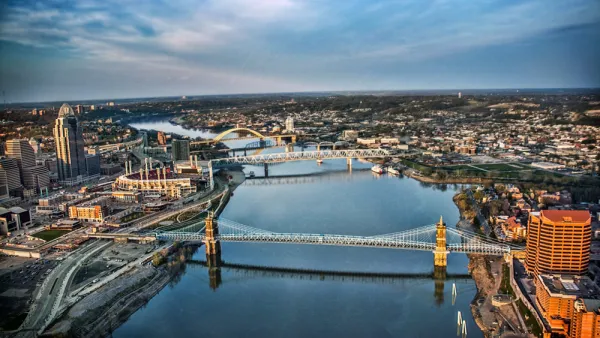
Two Bridges Across the Ohio River in Cincinnati Closed on the Same Day
Two of the transportation connections between Ohio and Kentucky in the Cincinnati metropolitan area were closed on the same day, leaving one side of the Ohio River cut off from the other.

Planetizen Federal Action Tracker
A weekly monitor of how Trump’s orders and actions are impacting planners and planning in America.

The state-sanctioned urbicide of Austin
People don’t kill cities. Freeways do.

US to reduce Colorado River water deliveries to Mexico
A new Colorado Treaty amendment reduces Mexico’s Colorado River water allocation by 250,000 acre feet.

Amtrak not solely to blame for New Jersey commuter rail's unreliability, report finds
A new study from the Garden State initiative found that NJ Transit’s budget grew 20% across a 4 year period, but reliability declined significantly over the same period.

EPA erases limits on planet-warming pollution from power plants
Under Monday’s plan, power plants would still have some limits on how much mercury, arsenic and other contaminants they can emit.

Phoenix announces new on-demand transit service, more frequent RAPID buses
Both new services will launch in October, and are part of Phoenix's Project Effective Access Solutions for Easing Congestion.

FREE Course: Walkable City 1: Why Walkability?
After describing his path towards focusing on walkability as the essence of good planning, Jeff Speck marches through his five principal reasons for making more walkable places.
Reinventing Malls: Planning Alchemy—Turning Gray Fields Into Gold
The course focuses on the opportunities and imperatives that shape reinvention of mall sites.

Eagle County Government
Harvard University Graduate School of Design
Nashville Planning Department
The Architects Foundation
University of Cincinnati Online
The Pocatello Development Authority
The Urban Renewal Agency of the City of Pocatello
Journal of the American Planning Association