The xAI-owned Colossus facility uses as much water as 10,000 households.


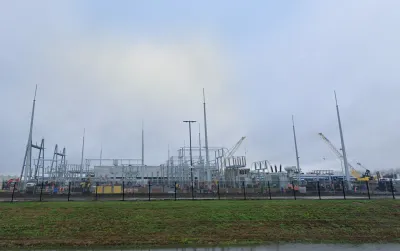
An xAI data center in Memphis plans to use wastewater to cool its equipment, a victory for local advocates fighting to preserve the Memphis Sands Aquifer, which is losing water at a rate faster than it is replenished.
As Carl Smith explains in Governing, “There was enough water in the local drinking water supply to satisfy the millions of gallons Colossus needs each day for its cooling towers, but there was another possibility for the long term. The city’s wastewater treatment plant was a neighbor in the Frank C. Pidgeon Industrial Park, where Colossus servers worked day and night to set the future course of AI.”
Using wastewater for cooling isn’t a new concept: Amazon has been using wastewater at 20 of its U.S. data centers, and Google says it uses “reclaimed or non-potable” water for cooling at a quarter of its campuses. After making arrangements with the city, the Tennessee Valley Authority, and the local water utility, In Memphis, construction began in 2025 on the Colossus Water Recycling Plant.
According to Smith, “xAI will pay the city for the treated wastewater it receives. The city plant cleans about 40 million gallons a day, far more than the 3 million needed to keep Colossus cool.”
Smith points out that there are limits to the data center’s sustainability: two other Colossus facilities planned for Memphis are too far from the wastewater treatment facility to use it, and their energy consumption will equal that of 1.5 million homes.
FULL STORY: Wastewater Will Cool This Memphis Data Center

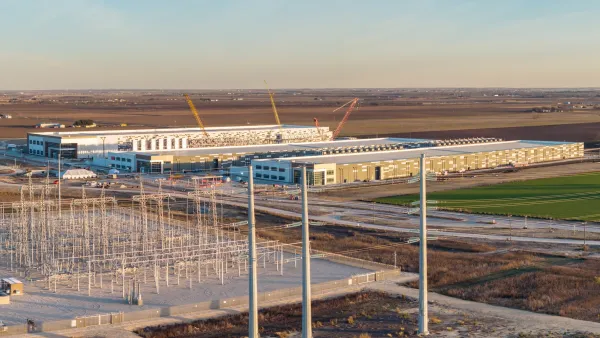
Texas bars data centers from raising utility costs for residents
Gov. Abbott is calling on the state's utility regulator to take steps to reduce energy costs for consumers and ensure data center operators pay for any added costs.
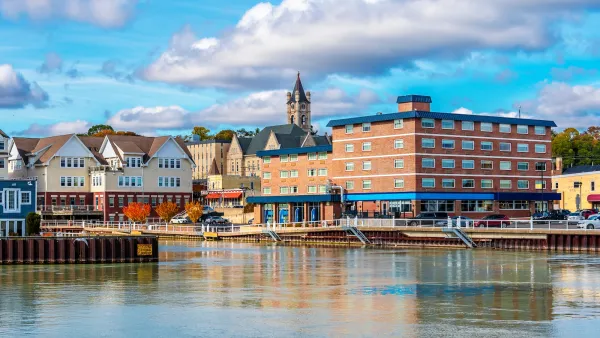
Voters in Wisconsin city pass nation's first data center referendum
The measure requires voter approval for tax incentives to new data centers.
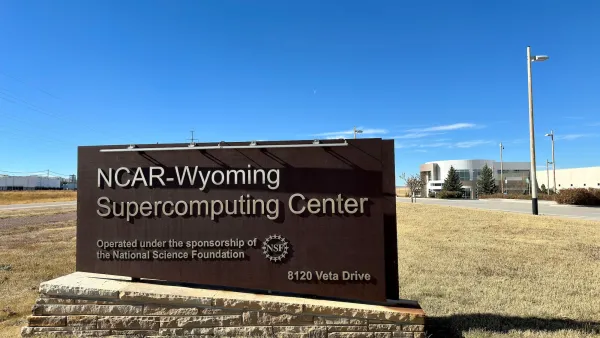
Wyoming touts ‘ample land, firm power’ in bid to woo data centers
The state is taking a proactive approach to data centers, hoping the tech behemoths will bring jobs and economic development.

Planetizen Federal Action Tracker
A weekly monitor of how Trump’s orders and actions are impacting planners and planning in America.

The state-sanctioned urbicide of Austin
People don’t kill cities. Freeways do.

US to reduce Colorado River water deliveries to Mexico
A new Colorado Treaty amendment reduces Mexico’s Colorado River water allocation by 250,000 acre feet.

Baltimore to break ground on $50 million Transit Priority Project
The project will bring faster bus trips, safer streets and better bike connections to Baltimore.

Airbnb launches $250 million 'last-dollar financing' housing accelerator, makes first investment in Austin
The company will put $6.4 million towards affordable housing development in Texas’ capital.

Guerilla urbanists are building DIY bus stop benches in Chicago
A before-and-after of one of the bus stops with a new bench. The new benches are not officially sanctioned or permitted, but the residents who placed them hope they will be the start of a network of DIY benches across the city.

FREE Course: Walkable City 1: Why Walkability?
After describing his path towards focusing on walkability as the essence of good planning, Jeff Speck marches through his five principal reasons for making more walkable places.
Reinventing Malls: Planning Alchemy—Turning Gray Fields Into Gold
The course focuses on the opportunities and imperatives that shape reinvention of mall sites.

Eagle County Government
Harvard University Graduate School of Design
Nashville Planning Department
The Architects Foundation
University of Cincinnati Online
The Pocatello Development Authority
The Urban Renewal Agency of the City of Pocatello
Journal of the American Planning Association