The town of Gladsaxe is using red-spectrum LEDs to illuminate streets where bat species congregate.


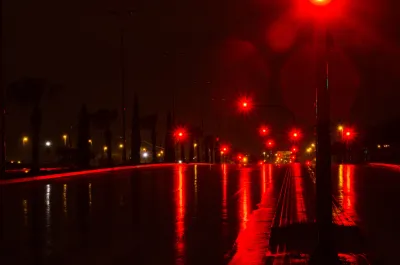
A Danish town is changing some of its streetlights to red as part of an effort to protect local bat species.
As Arezki Amiri explains in Daily Galaxy, “The shift from white to red lighting followed findings that short-wavelength light can significantly alter bat activity, while red-spectrum light is less likely to interfere with their echolocation and feeding patterns.”
The project is designed to balance the need for safety and visibility with ecological sensitivity. “Warm white light remains in areas with significant pedestrian or vehicular traffic. Red light is used only where disruption to wildlife is likely.”
Red-spectrum LED lighting can also reduce energy use and costs. “Compared to legacy sodium lamps or halogen systems, LEDs require less power, last longer and support smart lighting controls, including dimming and motion sensing.”
FULL STORY: Denmark Is Switching to Red Streetlights, and It Could Revolutionize Urban Lighting Around the World


Seeing the Street
A San Francisco-based design studio describes the thought process behind an effort to push outdoor lighting design beyond the lowest common denominator allowed by bureaucracy and status quo thinking.
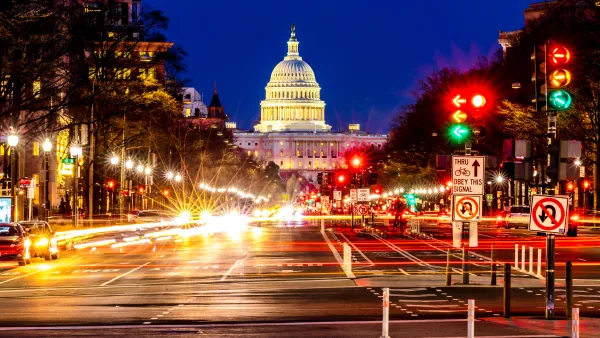
D.C. Residents Fight Light Pollution
New LED lighting has raised concerns about the health and environmental impacts of excessive or harsh lighting.

How the Lights in Our Cities Became Too Bright
“Why are lighting designers and experts nearly unified in their belief that outdoor lighting in past years has been excessive?”

Planetizen Federal Action Tracker
A weekly monitor of how Trump’s orders and actions are impacting planners and planning in America.

The state-sanctioned urbicide of Austin
People don’t kill cities. Freeways do.

US to reduce Colorado River water deliveries to Mexico
A new Colorado Treaty amendment reduces Mexico’s Colorado River water allocation by 250,000 acre feet.

Baltimore to break ground on $50 million Transit Priority Project
The project will bring faster bus trips, safer streets and better bike connections to Baltimore.

Airbnb launches $250 million 'last-dollar financing' housing accelerator, makes first investment in Austin
The company will put $6.4 million towards affordable housing development in Texas’ capital.

Guerilla urbanists are building DIY bus stop benches in Chicago
A before-and-after of one of the bus stops with a new bench. The new benches are not officially sanctioned or permitted, but the residents who placed them hope they will be the start of a network of DIY benches across the city.

FREE Course: Walkable City 1: Why Walkability?
After describing his path towards focusing on walkability as the essence of good planning, Jeff Speck marches through his five principal reasons for making more walkable places.
Reinventing Malls: Planning Alchemy—Turning Gray Fields Into Gold
The course focuses on the opportunities and imperatives that shape reinvention of mall sites.

Eagle County Government
Harvard University Graduate School of Design
Nashville Planning Department
The Architects Foundation
University of Cincinnati Online
The Pocatello Development Authority
The Urban Renewal Agency of the City of Pocatello
Journal of the American Planning Association