These U.S. cities are reducing or removing car traffic to make major streets more people-friendly.


In a piece for Fast Company, Elissaveta M. Brandon highlights six U.S. streets poised to get a pedestrian-friendly makeover in 2026.
As Brandon explains, “These projects matter in a country that still funnels tens of billions of federal dollars every year into new roads and highways. And they are particularly notable after the Trump administration recently withdrew previously awarded grants for some bike, trail, and pedestrian projects.”
The projects mentioned include Houston’s Main Street, which will be redesigned as a seven-block pedestrian promenade in the city’s downtown. “Its permanent transformation is timed to welcome visitors for the 2026 FIFA Men’s World Cup, but the redesign is meant to serve residents long after the crowds leave.”
Other prominent walkability projects include 18th Street in Kansas City, Missouri; Post Street in San Jose, California; and Monroe Street in Detroit.
The list ends with San Francisco’s Sunset Dunes project, which “marks a different scale of ambition altogether” and will create a two-mile long, 50-acre coastal park “billed as the largest pedestrianization project in California’s history.”
FULL STORY: These 6 U.S. streets will become scenic pedestrian zones in 2026

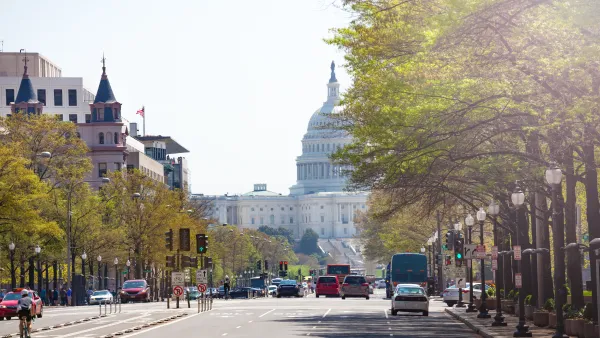
Op-Ed: How to Make Over Pennsylvania Avenue
The Washington, D.C. street briefly regained its former vibrancy during the pandemic. A proposed redesign could bring it back once again.
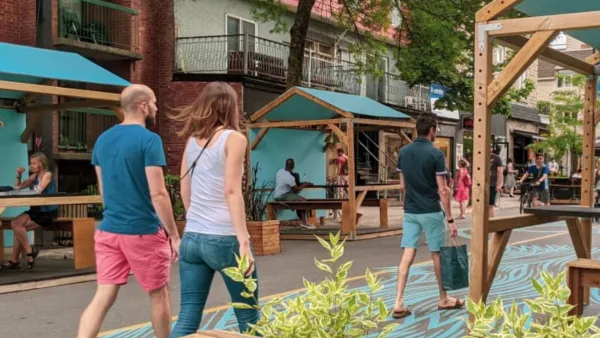
Car-Free Montreal Street Hailed as Success
A summer pedestrianization project is widely popular with residents and local businesses.
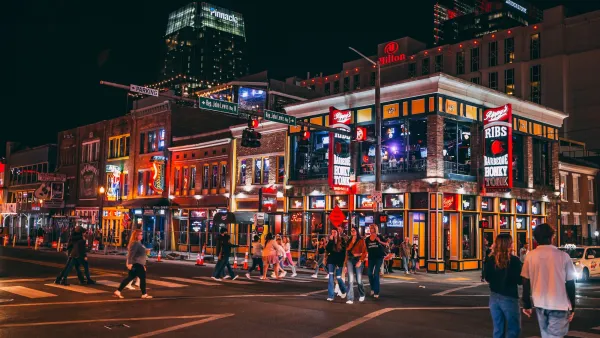
Tennessee DOT weighs making Nashville's Broadway car-free — sometimes
After a crash that killed one person and injured several others, state and city officials are in talks to consider options for closing the popular thoroughfare to cars during certain events.

The state-sanctioned urbicide of Austin
People don’t kill cities. Freeways do.

US to reduce Colorado River water deliveries to Mexico
A new Colorado Treaty amendment reduces Mexico’s Colorado River water allocation by 250,000 acre feet.

New Jersey’s second-largest city bans standalone data centers
Jersey City will continue to allow co-location facilities, such as those meant for research institutions that store their own data.

Amtrak not solely to blame for New Jersey commuter rail's unreliability, report finds
A new study from the Garden State Initiative found that NJ Transit’s budget grew 20% across a 4 year period, but reliability declined significantly over the same period.

EPA erases limits on planet-warming pollution from power plants
Under Monday’s plan, power plants would still have some limits on how much mercury, arsenic and other contaminants they can emit.

Phoenix announces new on-demand transit service, more frequent RAPID buses
Both new services will launch in October, and are part of Phoenix's Project Effective Access Solutions for Easing Congestion.

FREE Course: Walkable City 1: Why Walkability?
After describing his path towards focusing on walkability as the essence of good planning, Jeff Speck marches through his five principal reasons for making more walkable places.
Reinventing Malls: Planning Alchemy—Turning Gray Fields Into Gold
The course focuses on the opportunities and imperatives that shape reinvention of mall sites.

Eagle County Government
Harvard University Graduate School of Design
Nashville Planning Department
The Architects Foundation
University of Cincinnati Online
The Pocatello Development Authority
The Urban Renewal Agency of the City of Pocatello
Journal of the American Planning Association