The FTA says a Covid-era weekly reporting rule “no longer offers sufficient value.”


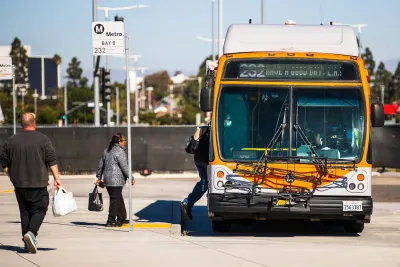
The Federal Transit Administration (FTA) is proposing to end the National Transit Database’s (NTD) Weekly Reference (WE-20) reporting requirement, saying that it “no longer offers sufficient value relative to the administrative burden on transit agencies and FTA.”
According to reporting by Zach Williams in Bloomberg Government, transit agencies began submitting weekly reports during the Covid-19 pandemic “to help the Federal Transit Administration better understand the effects of the pandemic on transit ridership.”
Now, the FTA says “Although the WE-20 reporting requirement provided important data as the countryrecovered from the pandemic, it is not required by statute, and after two years of experience with this data collection, FTA has now determined the WE-20 reporting requirement no longer offers sufficient value relative to the administrative burden on transit agencies and is inconsistent with this Administration’s deregulatory priorities.
FULL STORY: Trump Administration Floats Ending Weekly Transit Data Reporting


A New Way to Explore Local Transit Ridership Data
TransitCenter has released a new National Ridership Map.
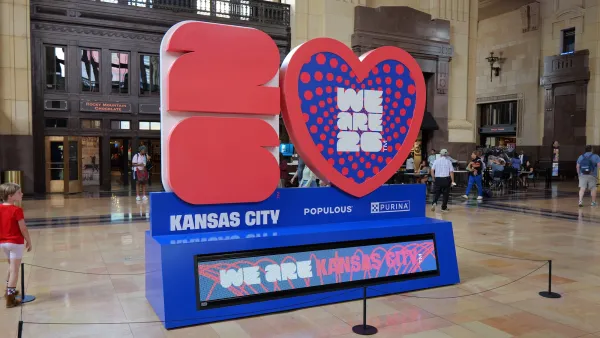
World Cup crowds offer 'stress test' for Kansas City transit planners
Transportation officials are closely monitoring travel patterns during the World Cup to understand how the city's transit system can be improved as the population grows.
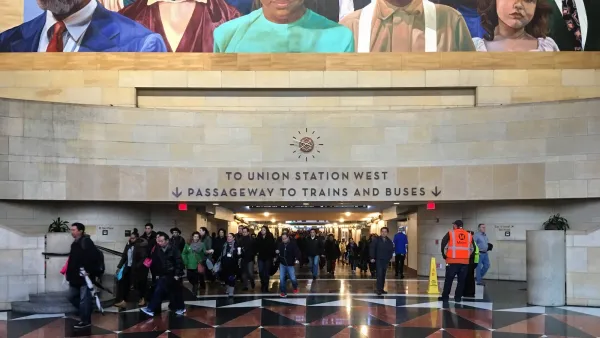
Weekend ridership on LA's D Line surged 80% after extension opened
World Cup attendees took roughly 45,000 rides to and from the first two games at the Los Angeles Stadium.

Planetizen Federal Action Tracker
A weekly monitor of how Trump’s orders and actions are impacting planners and planning in America.

The state-sanctioned urbicide of Austin
People don’t kill cities. Freeways do.

US to reduce Colorado River water deliveries to Mexico
A new Colorado Treaty amendment reduces Mexico’s Colorado River water allocation by 250,000 acre feet.

5 New England states march closer to 800 megawatt wind energy project
Securing federal approval for the project may be complicated under the Trump administration, which has historically been hostile towards domestic wind power.

Baltimore to break ground on $50 million Transit Priority Project
The project will bring faster bus trips, safer streets and better bike connections to Baltimore.

Airbnb launches $250 million 'last-dollar financing' housing accelerator, makes first investment in Austin
The company will put $6.4 million towards affordable housing development in Texas’ capital.

FREE Course: Walkable City 1: Why Walkability?
After describing his path towards focusing on walkability as the essence of good planning, Jeff Speck marches through his five principal reasons for making more walkable places.
Reinventing Malls: Planning Alchemy—Turning Gray Fields Into Gold
The course focuses on the opportunities and imperatives that shape reinvention of mall sites.

Eagle County Government
Harvard University Graduate School of Design
Nashville Planning Department
The Architects Foundation
University of Cincinnati Online
The Pocatello Development Authority
The Urban Renewal Agency of the City of Pocatello
Journal of the American Planning Association